Exploring the Rich Heritage of Yamato Whisky

It’s no surprise that Japanese whisky gets plenty of love. That’s because there’s a lot of good stuff coming out of Japan when it comes to making spirits with distinctive flavors. Some bottles from Japan are especially interesting, and Yamato Whisky is one of them.

The history of Yamato whisky starts in Yamanashi Prefecture, where excess barrels of whisky helped lead to the creation of the Yamato brand. From there, Mizunara oak and plenty of Japanese influence helped give Yamato its own style.

How Yamato Whisky Got Its Start

Japanese whisky goes way back to the 1920s, but Yamato came into existence more recently. In 2019, Aiko Importers introduced the brand to the market after the company learned about excess barrels of Japanese whisky held at one of the largest distilleries in Yamanashi. Aiko acquired the whisky with authorization in Japan and developed it into the Yamato brand.

Yamanashi’s location and climate also have a lot to do with the whisky. Yamanashi is home to the Kofu Basin and is surrounded by some of Japan’s highest mountains, including the iconic Mt. Fuji. The climate here brings cold winters and hot summers, and those seasonal temperature swings can influence how whisky matures. 

Yamato’s original expression is a blend of malted Scotch whisky and grain distillate made with select grain grown in Yamanashi.

What Goes Into Yamato Whisky?

Making Yamato whisky goes beyond putting spirit in a barrel and waiting around. The choice of wood and the time spent aging are important.

With Yamato, the whisky rests in Mizunara oak barrels. This wood is an excellent choice because it gives the whisky its distinctive aromatic and spicy notes. The whisky is aged for three to eight years. Combined with Yamanashi’s seasonal temperature changes, that’s plenty of time for the spirit to develop as it rests in the barrel.

Apart from wood and aging, there’s also the blending side of things. Yamato doesn’t let one flavor take over. Instead, it creates a balanced spirit by combining different whiskies. This might seem like a pretty simple idea, but it takes some serious skill to get that balance right.

Want to taste what all that work produces? Yamato Small Batch Japanese Whisky is a good bottle to have on hand. It brings together the Yamato style in a bottle that’s easy to enjoy on its own or over ice.

How Does Yamato Showcase Japanese Heritage?

Yamato whisky is already great, but the brand didn’t stop with just the whisky itself when it comes to its Japanese identity. You can see some Japanese history and culture in some of the brand’s special-edition bottles.

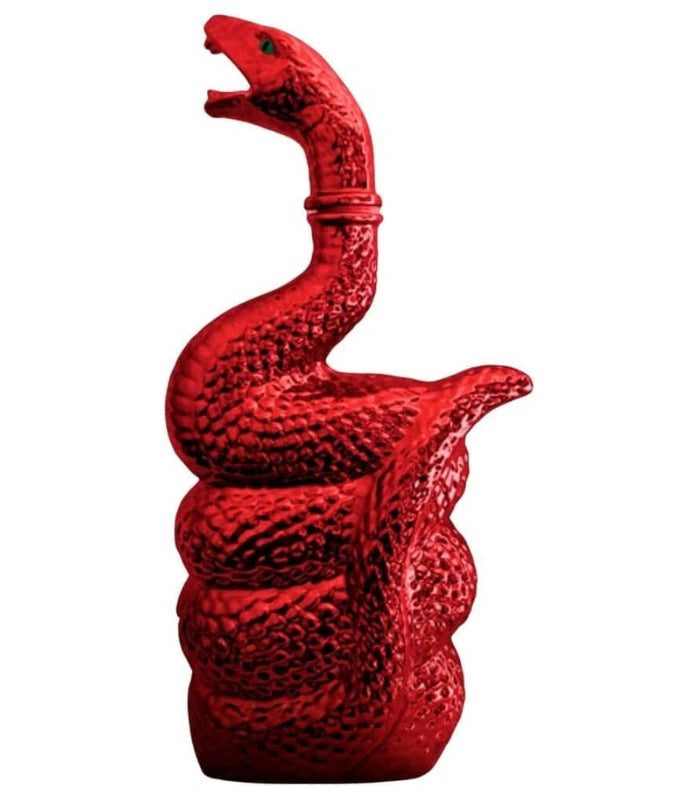
The Mizunara Cask Gold Samurai and Black Samurai editions are good examples. Of course, the whisky itself still focuses on Yamato’s smooth, approachable style, but one look at these bottles and it’s clear that their names and presentation draw heavily on Japan’s samurai heritage.

If you want to bring a little of that Japanese samurai heritage to your whisky collection, the Yamato Mizunara Cask Black Samurai Edition makes a fun addition to your shelf. Pour it neat, over ice, or into a highball and see how it suits your taste.

Find Your Yamato Pour

The history of Yamato whisky gives you a pretty good reason to look twice at a bottle you might otherwise pass by. There’s a little more going on here than simply grabbing another Japanese whisky for your shelf.

Yamato is one brand that brings together Japanese influences with an approachable style that makes it easy to enjoy. So if the combination of Japanese character and an easygoing pour sounds like your kind of thing, Yamato should be on your radar.

Ready to see which bottle catches your eye? Shop The Barrel Tap’s Yamato collection and pick your favorite for the next pour.

Liquor Bottle Sizes Explained

Ever heard people use terms like “nip,” “fifth,” or even “handle” when talking about their favorite bottle of liquor and wondered what they actually mean? Sure, bottle sizes such as 750 mL tell you how much liquor is in a bottle, but these cute nicknames can get a bit confusing.

Here’s a look at the various liquor bottle sizes you’re most likely to encounter and what they mean.

Liquor Bottle Sizes at a Glance

Bottle size

U.S. fluid ounces

Common name

50 mL

1.7 oz

Mini or nip

200 mL

6.8 oz

Half-pint

375 mL

12.7 oz

Half bottle (often called a pint)

500 mL

16.9 oz

Half-liter

700 mL

23.7 oz

Standard European size

750 mL

25.4 oz

Fifth

1 L

33.8 oz

Liter

1.75 L

59.2 oz

Handle

The U.S. Alcohol and Tobacco Tax and Trade Bureau (TTB) recognizes these and several other standard fill sizes. So, if you’re in the U.S., these are some of the standard bottle sizes you’ll most likely see for distilled spirits.

The 750 mL bottle is common in home bars, while the 50 mL miniature is actually useful for small tastings. And the larger bottles? They make more sense when you’re looking to have more liquor on hand.

What Is a Fifth of Liquor?

When you hear someone asking for a “fifth,” they’re talking about a 750 mL bottle, which is the most common liquor bottle size in the U.S. today. The name comes from an older measurement back when 757 mL was roughly one-fifth of a U.S. gallon.

You get about 25.4 fluid ounces in a fifth, and that’s widely considered a solid size for a home bar. It’s large enough to give you plenty of pours, yet it doesn’t take up the space of a larger bottle. Blanton’s Single Barrel Bourbon is a classic example of a 750 mL bottle.

What Is a Handle of Liquor?

In liquor terminology, a handle is a 1.75 L bottle, and it holds about 59.2 fluid ounces. That’s more than twice as much liquor as a standard 750 mL bottle holds.

Many bottles in this size have handles built into them, and that’s exactly where the “handle” name comes from. As you may have figured, a handle actually serves a practical purpose: you can easily pick up the large bottle and pour. That’s very helpful considering a 1.75 L bottle weighs a lot more than a standard bottle.

Handles make sense when you’re mixing drinks for a gathering or buying a spirit you know you’ll go through fairly quickly.

Want a spirit in this larger format? Woodford Reserve Kentucky Straight Bourbon Whiskey is one solid example.

700 mL vs. 750 mL: What’s the Difference?

If you shop for spirits from different countries, you may notice that some bottles hold 700 mL instead of the 750 mL common in the U.S.

The 700 mL format is something you’ll most likely come across when you’re buying spirits in Europe. It’s the standard European size, and the bottle holds about 23.7 fluid ounces.

In comparison, a 750 mL bottle holds about 25.4 ounces. Yes, it’s only a small 50 mL difference, but when you’re comparing two bottles of the same spirit, it’s hard to ignore that difference because 50 mL is roughly one more standard shot.

Here’s a real-world example of this. The Eagle Rare 10 Year and Eagle Rare 12 Year are both available in 700 mL and 750 mL bottles. When you see either expression in both sizes side by side, it’s a little easier to appreciate the 50 mL difference.

Which Liquor Bottle Size Should You Buy?

There might be no “right” or “wrong” answers when it comes to taste or flavor, but as far as liquor bottle sizes go, there’s a good chance you might end up with more or less liquor than you actually need if you pick the wrong size.

The right bottle size comes down to how you plan to enjoy the liquor. Here’s the quick lowdown of how that works:

  • A nip or 50 mL is a good choice if you’re looking to sample a spirit before you go all in. That way, you don’t commit to a full bottle until you’re sure you like what’s inside.

  • You might want to consider a pint (375 mL bottle) if you only drink occasionally. The smaller size gives you less to work through.

  • For a typical home bar, a fifth is usually a good place to start. 750 mL gives you enough liquor for plenty of pours, especially if you’re pouring yourself a drink now and then.

  • If you regularly make cocktails or entertain guests, you’d probably want to step up to a 1 L or 1.75 L bottle.

Before you choose a bottle size, though, remember that a larger bottle isn’t automatically the better choice. Yes, a larger bottle might give you more bang for your buck, but if a spirit takes you a long time to finish, there’s little reason to buy more than you need. That’s another way of saying it might be easier to manage a smaller bottle if you’re looking to get something for occasional sipping.

Choosing the Right Liquor Bottle Size

It’s easy to overlook bottle size, especially when you already have a particular spirit in mind. But here’s the thing: size can make more of a difference than you might think. And you’ll quickly notice it when you pay attention to how much you actually drink and how often you reach for a bottle.

Once you know what size makes sense for you, you can start browsing The Barrel Tap’s selection of whiskey, bourbon, and other spirits and find a bottle that fits your bar and your drinking habits.

How Many Shots Are in a Bottle?

Ever stood behind the bar with a bottle in hand and wondered how many drinks you can actually get out of it? It’s a pretty common question, especially when you’re planning a get-together or trying to figure out how much bourbon or another spirit to pick up.

For a standard 750 mL bottle, the answer is about 17 shots if each pour is 1.5 ounces. That number can change quite a bit, though. The size of the bottle affects the count, as does the amount going into each glass.

How Many Shots Are in a 750 mL Bottle?

A standard 750 mL bottle contains about 25.4 ounces of liquor. Divide that by a 1.5-ounce shot, and you get roughly 16.9 servings, which rounds to about 17 shots.

That makes a 750 mL bottle a handy reference point when you’re trying to estimate servings. A bottle of Bulleit Bourbon, for example, comes in the familiar 750 mL size, making it a good example of the standard bottle most people have in mind.

Of course, 17 shots assumes every pour is exactly 1.5 ounces. Pour a little heavy at home, and the bottle may run out sooner. Use a smaller pour for a cocktail or tasting, and you’ll get more servings.

Shot Counts by Bottle Size

Not every bottle sitting on the shelf holds 750 mL. Once you start looking around, you’ll find several common sizes.

Here’s a rough idea of how many 1.5-ounce shots each bottle provides:

  • 50 mL: About 1 shot

  • 200 mL: About 4 shots

  • 375 mL: About 8 shots

  • 750 mL: About 17 shots

  • 1 liter: About 22 shots

  • 1.75 liters: About 39 shots

These numbers are estimates, since you can’t pour a fraction of a shot and expect every pour to be perfectly identical.

The 1.75-liter bottle is especially useful for larger gatherings. Some bottles come in both 750 mL and 1.75 L sizes, so the difference is easy to see. The larger bottle contains more than twice the liquid of the standard bottle.

Smaller bottles are common, too. Eagle Rare 10 Year, for instance, is available in both 700 mL and 750 mL versions. That 50 mL difference may not sound like much, but it’s enough for about one more standard shot.

Your Pour Size Changes the Math

Bottle size gives you a starting point, but your pour determines how quickly you work through it. A smaller pour gives you more servings, while a heavier pour means the bottle empties faster.

That’s easy to notice at home. Nobody is standing there with a jigger measuring every drink, and a generous splash can add up quickly. Two people can use the same bottle for the same number of drinks and end up with very different amounts left over.

A bottle of Maker’s Mark is a good example. The standard 750 mL bottle gives you the same basic number of servings as any other bottle of that size, but the actual count depends on how generously each drink is poured.

Cocktails can make the math easier to track. If a recipe calls for a measured amount of bourbon, you can estimate how many drinks the bottle will make without guessing at each pour. Neat pours and mixed drinks can vary more, especially when the glass is filled by eye.

Does the Type of Liquor Change the Number of Shots?

Not really. Whiskey, vodka, tequila, and other distilled spirits can have very different flavors and alcohol percentages, but the physical amount in the bottle is what determines how many pours you get.

For example, a 750 mL bottle of Woodford Reserve Double Oaked has roughly the same number of 1.5-ounce servings as a 750 mL bottle of vodka.

Here’s the bottom line: A higher-proof spirit contains more alcohol in each serving, but the proof doesn’t change how many pours you get from the bottle. A 750 mL bottle is still 750 mL, regardless of its alcohol content. The difference is in how much alcohol each serving contains.

How Long Should a Bottle Last?

There isn’t one universal answer here because it depends on how the bottle is being used. A bottle opened for occasional neat pours may hang around for quite a while. A bottle brought out for a party can disappear in an evening, especially if several people are pouring generous servings.

For a gathering, the easiest approach is to estimate based on the size of the pour. Start with the bottle’s total volume, divide by the amount used for each drink, then give yourself a little room for larger pours and the occasional extra drink.

Not every drink has to be a full shot, either. A tasting pour can be much smaller, while a cocktail may use a measured amount based on the recipe. So, if you’re planning drinks for a group, don’t just count bottles. Think about the bottle size, the type of drinks being served, and how generous the pours are likely to be.

Find Your Next Bottle at The Barrel Tap

If you’ve been wondering how many shots are in a bottle, you probably have a drink in mind already. Maybe it’s a bourbon you’ve been meaning to try, a bottle for the home bar, or something to open when friends come over.

The Barrel Tap makes it easy to find your next bottle without overthinking it. Take a look around, find something that catches your eye, and get ready for the next pour.

The Rich History of Wild Turkey Bourbon

Some bourbon brands have been around long enough to feel like part of the furniture at a good whiskey bar. Wild Turkey is one of them. The name is familiar, the 101 proof is hard to miss, and that bold mix of oak, spice, caramel, and orange peel has been filling glasses for generations.

But the history of Wild Turkey bourbon goes back much further than the bottle on the shelf suggests. There’s a lot more to the brand than that famous 101 proof. Here’s how Wild Turkey became one of bourbon’s most recognizable names.

The Story Starts Before Wild Turkey

The Wild Turkey story actually begins before anyone was calling it Wild Turkey. In 1855, Austin Nichols started as a wholesale grocer selling wine and spirits. The business would eventually become connected to the Wild Turkey brand.

In 1869, the Ripy brothers established a family distillery in Lawrenceburg, Kentucky. The site would later become known as Wild Turkey Hill. By 1893, Ripy Brothers bourbon was representing Kentucky at the World’s Fair in Chicago.

Then came 1940, when the bourbon finally got the name that would stick. A distillery executive brought his bourbon along on an annual wild turkey hunting trip and shared it with friends. They liked it enough to ask for the same bourbon on the next hunt. And that’s how the name Wild Turkey was born.

Jimmy Russell Gives Wild Turkey Its Signature Style

Jimmy Russell joined the distillery in 1954 at just 18 years old. He learned the craft from Bill Hughes and became the third master distiller in the brand’s history. He would eventually become one of the most recognizable figures in American bourbon.

During the 1970s and 1980s, bourbon faced serious competition as many drinkers moved toward lighter spirits. Russell stayed with the traditional, full-flavored bourbon style he had learned from his mentor. He didn’t see a reason to water down the character of the whiskey just because tastes were changing.

That stubborn streak turned out to be pretty important. Wild Turkey continued making bourbon with a bold profile, longer aging, and plenty of proof. The brand still uses deeply charred No. 4 American white oak barrels and generally ages its core bourbons much longer than the two-year minimum for straight bourbon.

How Wild Turkey 101 Became the Classic

For many bourbon drinkers, Wild Turkey 101 Bourbon is the bottle that defines the brand. At 101 proof, it has more punch than the 80-proof bourbons some drinkers may be used to.  

But the extra strength isn’t there just for bragging rights. The recipe leans heavier on rye than many standard bourbons, which brings spice and structure, while the deeply charred oak contributes vanilla, caramel, oak, and orange notes.

The result is a bourbon that can handle an Old Fashioned without disappearing behind the bitters and sugar, yet still has enough character to sip neat or over ice. It’s a solid place to start if you want to try that classic Wild Turkey profile for yourself. 

And the story doesn’t stop there. The 8 Year is an age-stated version that keeps the signature 101 proof while bringing eight years of barrel aging into the glass.

The Russell Family Keeps the Tradition Going

Jimmy wasn’t the only Russell to leave a mark on Wild Turkey. His son Eddie joined the distillery in 1981, starting as a relief operator before working his way through the business. In 2015, he became Master Distiller alongside his father. That made Jimmy and Eddie the only father-and-son pair serving as active bourbon Master Distillers at the time.

That family influence shows up in several of Wild Turkey’s notable bottles. Rare Breed, introduced in 1991, was one of the early barrel-proof bourbons on the market. It brings together six-, eight-, and 12-year-old bourbons and is bottled at barrel proof, giving it considerably more intensity than standard 101.

Wild Turkey added Kentucky Spirit in 1995, a single-barrel bourbon bottled at 101 proof. At the time, single-barrel American whiskey was still a relatively uncommon category. Those bottles show how the brand expanded without abandoning the character that made Wild Turkey recognizable in the first place.

Wild Turkey Keeps Moving Without Forgetting Its Roots

The modern Wild Turkey story has brought some new faces and new ideas into the picture. Actor Matthew McConaughey joined the brand as Creative Director in 2016, and he later collaborated with Eddie Russell on Longbranch, a bourbon finished with a blend of Texas mesquite and American oak charcoal.

But the Russell family connection remains strong. Jimmy marked 70 years with Wild Turkey in 2024, and the brand marked the occasion with a limited 8-year, 101-proof bourbon built around whiskey selected from some of his favorite rickhouses.

So even as the lineup changes, the basic philosophy stays familiar: bold bourbon, plenty of character, and no rush to make the whiskey something it isn’t.

Pour a Little Kentucky History

The history of Wild Turkey bourbon goes beyond a timeline of distillery dates and product launches. It’s a story about a particular style of bourbon that survived changing tastes, a master distiller who refused to abandon his methods, and a family that carried that approach into another generation.

Ready to explore the lineup? Browse The Barrel Tap’s Wild Turkey collection and find the bottle that belongs on your bar.

The Origins and History of Ace of Spades Champagne

That gold bottle with the ace of spades on the front is hard to miss. You’ve probably seen it in music videos, nightclubs, celebrity parties, or sitting behind the bar at a very expensive celebration. Known officially as Armand de Brignac, the Champagne has built a reputation that goes way beyond what’s in the glass. But here’s the interesting part: the story doesn’t actually start with Jay-Z.

The roots of Ace of Spades Champagne go back to a Champagne family with centuries of history, an ambitious project that began around the turn of the millennium, and a bottle that was designed to make people stop and look.

The Cattier Family and the Origins of Armand de Brignac

To understand the origins and history of Ace of Spades Champagne, it helps to start in Chigny-les-Roses, a village in France’s Montagne de Reims. That’s home to Champagne Cattier, a family business with roots in the region going back to 1763.

The Cattiers began making Champagne commercially in 1918, and the family developed into an established independent Champagne producer. Jean-Jacques Cattier later took over the family business, with his son Alexandre eventually joining him in the winemaking side.

By the early 2000s, the Cattier family and New York-based Sovereign Brands were working on something different: a prestige cuvée with an extravagant presentation to match the wine inside.

The family had already been setting aside reserve wines for this kind of project. The name Armand de Brignac wasn’t completely new, either. The Cattiers had registered “de Brignac” decades earlier, reportedly after Jean-Jacques’s mother encountered the name in a novel. The name was later revived for the new Champagne.

And then came the bottle.

When Was Ace of Spades Champagne Launched?

The metallic bottle wasn’t an accident. Cattier wasn’t starting from scratch with the flashy bottle, either. The family had already experimented with metallic packaging, including a special cuvée developed with French designer André Courrèges. That experience would come in handy when it was time to give Armand de Brignac a bottle nobody could ignore.

The first release was Brut Gold, launched in 2006. Around 20,000 bottles were produced in that initial batch, with a significant portion reportedly sent to the United States through Sovereign Brands, the New York-based company involved in the brand’s distribution and development.

Sovereign Brands’ Brett Berish was also instrumental in developing the brand’s identity and bringing its American presence to life. So, while Jay-Z became inseparable from the Champagne’s story, it wasn’t simply a celebrity-created bottle that appeared out of nowhere.

It was a French Champagne project backed by the Cattier family’s winemaking experience, with Sovereign Brands helping build the brand and distribution in the U.S.

How Jay-Z Made Ace of Spades Famous

Rapper and entrepreneur Shawn “Jay-Z” Carter helped put Armand de Brignac on the global luxury map in the mid-2000s, becoming closely associated with the brand as he continued to promote it.

In 2006, the distinctive gold bottle appeared in his “Show Me What You Got” music video, filmed partly in Monaco. The timing couldn’t have been better for the relatively unknown Champagne.

The video showed Jay-Z at a high-stakes card table, where a waiter eventually presented him with a gold bottle bearing the now-famous ace of spades emblem. Viewers wanted to know what they were looking at.

The answer was Armand de Brignac.

The bottle’s appearance generated enormous attention, especially in the United States, where the relatively new brand was beginning to make its mark. What started as a relatively small Champagne project suddenly had one of the biggest names in music putting it in front of millions of people.

And Jay-Z didn’t stop with a cameo.

He continued featuring and talking about Armand de Brignac, helping turn the gold bottle into a recognizable symbol of luxury nightlife and celebration.

Wine Enthusiast describes his influence on Champagne culture as significant, noting that his 2006 appearance helped make a previously little-known brand a major name in the U.S.

Who Owns Ace of Spades Champagne Today?

Jay-Z’s relationship with Armand de Brignac went beyond promotion. In 2014, he acquired Sovereign Brands’ interest in the Champagne, taking control of the brand. He didn’t buy the Cattier family’s Champagne house or vineyards. The Champagne continued to be produced by the Cattiers in Chigny-les-Roses. So Jay-Z became the owner of the brand interest that Sovereign Brands had built, while Cattier remained responsible for making the wine.

In 2021, Moët Hennessy, part of LVMH, acquired a 50% stake in Armand de Brignac. That left Jay-Z and LVMH as equal partners in the brand.

How Is Ace of Spades Champagne Made?

All the flashy packaging in the world wouldn’t matter if the wine couldn’t hold its own. Armand de Brignac’s signature style comes from traditional Champagne blending, with its main cuvées built around Pinot Noir, Chardonnay, and Pinot Meunier. The house also uses a distinctive trio-of-vintages approach, blending three harvests to create a consistent house style while adding complexity.

There’s another interesting detail here. The final dosage includes reserve wine aged for a year in new French oak. That can add subtle pastry, vanilla, and toasted notes to the finished Champagne.

The bottles themselves also receive plenty of hands-on attention. The metallic finish and pewter labels are part of the brand’s luxury presentation, but the craftsmanship doesn’t stop at the outside of the bottle.

That’s important because Ace of Spades can sometimes get dismissed as a celebrity Champagne. There is plenty of marketing behind it, sure. But there’s also a real Champagne-making operation underneath the gold.

5 Ace of Spades Champagne Bottles to Know

1. Ace of Spades Brut Gold

This is where to start if you want the bottle that launched the brand. Brut Gold is the flagship cuvée and the first Armand de Brignac release. It’s a blend of the classic Champagne grapes, with a rich, rounded style and the unmistakable metallic gold bottle. It’s the bottle most people picture when they hear “Ace of Spades.”

2. Ace of Spades Brut Green

The green bottle brings a collectible twist to the familiar Brut Gold style. It’s a limited annual edition created in tribute to the green jacket awarded at the Masters golf tournament. Inside, you’ll find the same Brut cuvée style associated with the Gold, while the metallic green bottle gives it a completely different look. If presentation matters almost as much as the pour, this one gets attention.

3. Ace of Spades Rosé

The Rosé arrived in 2008 and takes the brand in a fruitier direction. It’s built around Pinot Noir from old vines in the Montagne de Reims, with red fruit character and pastry notes. Armand de Brignac also adds still red wine to the blend to create its color and extra depth. This is the bottle to consider when you want something a little more expressive than the classic Brut.

4. Ace of Spades Demi Sec

Not everyone wants Champagne bone dry. The Demi Sec gives you a sweeter option while keeping the house’s prestige-cuvée approach. It uses only the first portion of the cuvée press and gets additional lees aging, giving the sweetness some structure instead of making the wine seem merely sugary. Think fruit, honey, and richer dessert-friendly flavors.

5. Ace of Spades Blanc de Blancs

Then there’s the Blanc de Blancs, made entirely from Chardonnay. This one is produced in very small quantities, with fruit sourced from the Côte des Blancs and Montagne de Reims. The result is a more Chardonnay-focused expression with mineral character, softness, and plenty of aging potential. If Chardonnay is your thing, this is the bottle that deserves your attention.

Why Is Ace of Spades Champagne So Popular?

The origins and history of Ace of Spades Champagne make one thing pretty clear: the brand’s success wasn’t built on a single ingredient. Cattier family expertise, a striking bottle, smart marketing, and Jay-Z’s cultural influence all helped turn Armand de Brignac into a global luxury name.

Ready to see what the hype tastes like? Explore The Barrel Tap’s Champagne collection and find an Ace of Spades bottle that fits your kind of night.

The Origins and History of Teremana Tequila

If you know tequila, you’ve probably heard the name Teremana. If you’re new to it, you’ve probably heard another name first: Dwayne “The Rock” Johnson.

That connection gets plenty of attention, but there’s more to the story. Teremana grew from a genuine interest in tequila, traditional production, and the people behind every bottle. Once you know where it comes from, the tequila itself makes a little more sense.

Here’s the story behind the brand.

Where Did Teremana Tequila Begin?

Teremana’s story starts in Jesús María, Mexico, a small town in the highlands of Jalisco. According to the brand, the region’s iron-rich volcanic soil is ideal for growing agave with higher natural sugar content.

Teremana uses fully mature 100% Blue Weber Agave grown in the region. The brand’s distillery, Destilería Teremana de Agave, is located in Jesús María, where the Lopez family has been making tequila for generations. That local connection runs through the production process, from the skilled jimadores who harvest the agave to the artisans who craft the copper pot stills.

The name fits that idea, too. “Teremana” combines tere, derived from the Latin terra, meaning earth, with mana, a Polynesian word meaning spirit. Put them together, and you get “Spirit of the Earth.” It’s an idea reflected in Teremana’s focus on the land, local craftsmanship, and bringing people together.

Why Did Dwayne Johnson Create Teremana?

Teremana launched in March 2020, with Dwayne Johnson developing the brand alongside business partners Dany Garcia, Ken Austin, and Jenna Fagnan. The team wanted to create a tequila that felt approachable while still taking the craft seriously.

Instead of building the brand around exclusivity, the focus was on making a quality tequila people could actually open, pour, and enjoy with friends.

That idea shows up repeatedly in Teremana’s own story. The brand says its goal is to create high-quality, responsibly sourced tequila that brings people together and creates good moments. And that makes sense for tequila. It’s a spirit that tends to end up in the middle of the table, not hidden away in a cabinet.

The Traditional Process Behind Teremana

Teremana uses a small-batch production process that sticks closely to traditional tequila-making methods. Jimadores harvest the mature agave, then the piñas are slow-roasted in traditional brick ovens for three days. After that, the cooked agave is shredded, and the juice goes through open-tank fermentation.

Then comes the still. Teremana is double distilled using handmade 100% copper pot stills crafted by local artisans. According to the brand, the use of copper stills helps produce a cleaner, smoother tequila.

The origins and history of Teremana tequila aren’t just about a famous founder putting his name behind a bottle. The production itself is a big part of the identity.

There’s even some thought given to what happens after production. Teremana says the leftover agave fibers are turned into compost for its agave fields, while its water filtration system helps treat production wastewater.

From Blanco to Añejo: The Teremana Range

What does all that traditional production actually mean once the tequila reaches your glass? Teremana’s core lineup gives you three distinct expressions, each with its own character.

Teremana Blanco

Teremana Blanco is the fresh, bright option, with citrus notes, natural agave sweetness, and a clean finish. It’s an easy starting point if you’re new to the brand and works just as well neat, over ice, or in a cocktail.

Teremana Reposado

Teremana Reposado brings more richness, thanks to time in American whiskey barrels. Oak and vanilla join the roasted agave notes, making it a good middle ground between the bright Blanco and the deeper Añejo.

Teremana Añejo

Teremana Añejo takes things a little deeper, with warm oak, vanilla, and roasted agave creating a fuller profile. It’s the expression to reach for when you want to slow down and enjoy your tequila neat.

What Makes Teremana Worth Knowing?

There’s a reason Teremana has made such a name for itself in a crowded tequila market. Sure, having Dwayne Johnson attached to the brand helped get people’s attention. But attention only gets a bottle so far.

The real story is in what’s inside it: Jalisco-grown agave, traditional production methods, and a range that gives you different ways to enjoy the spirit. That combination has helped Teremana build an identity that goes beyond its famous founder.

If you’re ready to see what Teremana is about for yourself, head over to The Barrel Tap’s Teremana Tequila collection and find your next pour.

Best Sipping Bourbons for Beginners

Sipping bourbon neat can seem like a lot to take in, especially if you’re new to it. The alcohol can be pretty noticeable, and the flavors may be unfamiliar. And some bottles? They have more heat than others.

If you’re just starting out, it’s usually a good idea to try a bourbon that’s approachable on its own. The best sipping bourbons for beginners often balance sweetness, spice, oak, and alcohol without letting any one element take over.

What Makes a Bourbon Good for Beginners?

A good beginner bourbon should have enough flavor to show you what bourbon can offer without overwhelming your palate.

Proof is one thing you’ll want to factor in. For a first sipping bourbon, 90 to 100 proof is a good place to start, but don’t treat that as a hard rule. That’s usually enough alcohol to give the bourbon some character without bringing as much heat as you’ll find in higher-proof bottles.

You’ll also want a balanced flavor profile. Look for familiar notes like vanilla, caramel, fruit, and gentle spice rather than a bourbon where oak or alcohol takes over.

From there, it comes down to what you like. Some bourbons lean sweeter and softer, while others bring more oak, spice, or fruit to the glass.

4 Best Sipping Bourbons for Beginners

1. Buffalo Trace

If you want one bottle to start with, Buffalo Trace is a pretty safe bet. It comes in at 90 proof, so you get plenty of bourbon flavor without a big wallop of alcohol.

Take a sip, and you’ll get some vanilla and caramel, followed by fruit, oak, and a little spice. It’s got enough going on to keep things interesting, but it’s not trying to knock you over. That balance is part of what makes Buffalo Trace such an easy bourbon to come back to, especially when you’re just starting out.

2. Maker’s Mark

Want to try a bourbon on the softer, sweeter side? Maker’s Mark is a good place to start. It uses wheat instead of rye in the mash bill, which helps give it that rounder feel.

Give it a try, and you’ll get plenty of vanilla and caramel, along with some sweet fruit underneath. There’s not a lot of sharp spice getting in the way, either. At 90 proof, it’s got enough kick to remind you you’re drinking bourbon without bringing too much heat.

If Buffalo Trace is your usual pour, Maker’s Mark is an easy bottle to reach for when you want to change things up.

3. Woodford Reserve

Woodford Reserve is worth a pour if you’re ready for a little more going on in your glass. At 90.4 proof, it brings a little more weight without turning up the heat too much.

Along with a nice mix of dried fruit, you’ll get plenty of vanilla and caramel. You’ll also notice baking spice and oak, but none of it comes on too strong. It’s richer and a little more layered than the first two bottles, but it’s still easy enough to sip neat. This is a good bottle to reach for when you’re ready to explore a bourbon with a little more depth.

4. Four Roses Small Batch

Four Roses Small Batch brings a little more fruit and spice to the glass. Red fruit, honey, caramel, and baking spice all show up here, giving it plenty of character without making it a tough pour for a beginner.

You’ll notice a little more spice than you get with Maker’s Mark, along with a fruity sweetness that keeps things balanced. It’s got enough character to make things interesting without being too much for a first-time bourbon drinker.

How to Start Sipping Bourbon

You don’t need to know all the right tasting terms to enjoy your first pour. Start with a small amount in a glass and give it a minute before taking that first sip.

Take a few small sips and give yourself some time to get a feel for it. You may pick up sweetness, spice, oak, or other flavors that weren’t obvious at first. And if the alcohol feels a little too strong, add a few drops of water or pour it over ice.

Remember, there’s no wrong way to drink your bourbon. The best way is the way you enjoy it.

Find Your First Sipping Bourbon

It takes a little trial and error to find a bourbon you enjoy. Try different bottles, pay attention to the flavors you like, and don’t worry too much about whether your palate matches someone else’s.

Ready to start exploring? Browse The Barrel Tap’s bourbon collection and find a bottle that sounds like your kind of pour.

The Ultimate Guide to Sending Booze as a Gift

Sending a bottle of booze is a pretty easy way to make someone’s day. Maybe it’s for a birthday, a promotion, a holiday, or just because you felt like sending them something nice. Either way, there’s a little more to it than picking a bottle and punching in an address.

You want something they’ll actually enjoy, of course. But you also need to factor in the occasion and how you’ll get the gift to their door.

This guide to sending booze as a gift covers a few simple choices that can make the whole experience feel a lot more thoughtful.

Choose Booze They’ll Actually Enjoy

The best bottle to send isn’t necessarily the most expensive one. You want to start by figuring out what the recipient already drinks.

If you know they’re a bourbon fan, you’ve got a pretty easy place to start. A familiar bottle like Buffalo Trace Bourbon Whiskey makes a solid single-bottle gift. It’s approachable enough for many bourbon drinkers, but it still has enough character to make the bottle feel like a thoughtful choice.

Shopping for someone who likes whiskey and enjoys trying new things? A gift set gives them a little more to play with. The Angel’s Envy Bourbon & Rye 375mL Gift Set comes with two half-size bottles, one bourbon and one rye. It’s a nice way to let them try something a little different without committing to a full bottle of each.

Decide Between a Bottle and a Gift Set

You don’t need a gift set to make a bottle feel special. A single bottle can be the better choice when you already know what the recipient likes.

A gift set makes sense when you want to give them a little more than just the bottle. The Blanton’s Single Barrel Bourbon Whiskey & 2 Glencairn Glasses Bundle, for example, pairs a 750mL bottle of Blanton’s with two Glencairn glasses. So they’ve got the whiskey and the right glasses to enjoy it in.

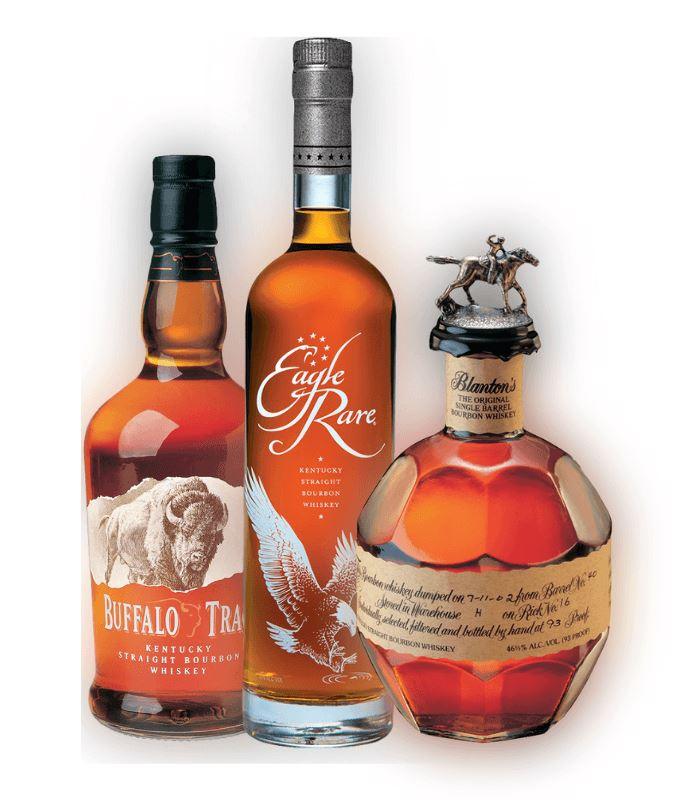
Want to go bigger? The Buffalo Trace, Eagle Rare & Blanton’s Single Barrel Bundle gives a bourbon fan three bottles to work their way through. That’s a pretty fun gift for someone who takes their bourbon seriously.

Match the Gift to the Occasion

The occasion can make the choice a little easier. For a birthday, anniversary, or milestone, you might want to reach for something a little more special. A premium bottle or gift set can do the trick, especially if you know what the person likes.

For a wedding, engagement, or another big celebration, champagne is hard to go wrong with. The Luc Belaire Champagne Bundle is a good fit for someone who prefers a little sparkle over bourbon or whiskey.

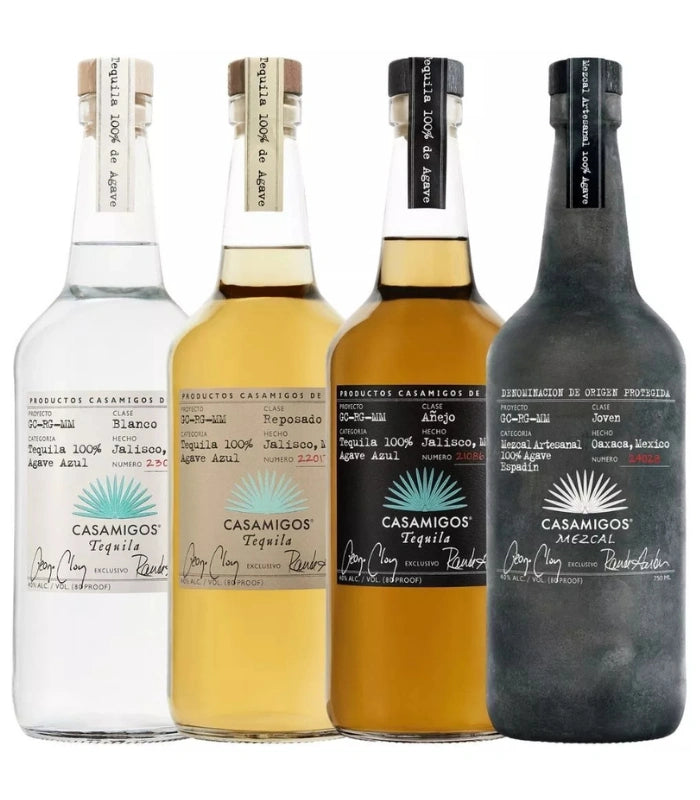
And if tequila is more their thing, go that route. The Casamigos Tequila Bundle gives you a way to make the gift feel personal without defaulting to whiskey.

Check the Shipping Rules Before You Order

This is the part you don’t want to overlook. Alcohol shipping rules vary by location, and you can’t simply put a bottle in a box and send it through the mail like an ordinary package. For example, USPS generally prohibits mailing intoxicating liquors, while private carriers have their own requirements for alcohol shipments.

The easiest approach is to order through a retailer that is set up to handle alcohol shipments. Before placing your order, check that the retailer can ship to the recipient’s address and review any delivery requirements.

Here’s something else to keep in mind. Alcohol deliveries may require an adult signature, so don’t assume the recipient can have the package left unattended at their door. It’s usually best to make sure someone, preferably an adult, is available to receive it.

Make Your Booze Gift More Personal With Engraving Options

Choosing a good booze is good, but you don’t have to spend a fortune or find some ultra-rare bottle to make the gift feel personal. Just choose something that makes you think of the person receiving it.

You could also take it a step further with engraving. Adding a name or even a logo to a bottle can turn it into something they’ll want to hold on to long after the booze is gone. Take a look at some custom bottle engraving options and choose one for a spirit they’ll love.

It’s usually nice to add a short note that tells them why you picked the bottle. Even a simple “thought you’d enjoy this” can make the package feel like it came from you rather than straight off a shelf.

And if you know their usual drink, lean into it. A bourbon fan might appreciate a bottle they’ve had their eye on but haven’t picked up yet. If you’re not quite sure what they like, a gift set gives them a little more room to find something they enjoy.

Give Yourself Time to Plan

Don’t wait until the day before an occasion to order a bottle. Shipping times can vary, and some alcohol deliveries require a little more planning.

Before you place the order, check the recipient’s address and confirm that the retailer ships to their location. If it’s for a birthday or holiday, give yourself a little extra time for the bottle to arrive. That way, you’re less likely to end up watching the tracking page while the occasion gets closer.

Send a Gift They’ll Remember

A good bottle can say a lot without making a big production out of it. When you know what someone likes, choosing the right booze can feel surprisingly personal. That’s really the trick with this guide to sending booze as a gift. You don’t need to overthink it. Most of the time, a bottle you know they’ll love is all you need to make the gift feel special.

Choose something that suits the person and give yourself enough time for it to arrive. The bottle can do the rest.

What Is an Allocated Bourbon?

Spend a little time around bourbon enthusiasts, and you’ll probably hear someone ask if any allocated bottles have arrived. Those bottles often disappear quickly, sometimes within hours or even minutes. That kind of excitement naturally leads to one question: what is an allocated bourbon?

Simply put, an allocated bourbon is a bourbon that a distillery releases in limited quantities. Instead of making enough bottles for every retailer that wants them, the distillery distributes only a small number through its network. Retailers receive an allocation, which is where the term comes from.

These bourbons also attract a lot of attention from collectors, longtime enthusiasts, and anyone looking for something special. With so many people chasing so few bottles, they often sell out as soon as they hit the shelves.

Why Some Retailers Get Allocated Bourbons

You might wonder why one store has a few allocated bottles while another never seems to get any. It usually comes down to the retailer’s relationship with distributors and distilleries.

Distilleries produce only a limited number of these bourbons, and distributors decide how those bottles are divided up. Retailers with a strong track record of selling premium whiskey and long-standing relationships often receive a larger share. Others may get just a handful of bottles, or none at all.

That’s why bourbon enthusiasts tend to keep an eye on trusted specialty retailers. When an allocated release arrives, those are often the places where you’re most likely to find it.

Why Allocated Bourbons Are So Hard to Buy

If you’ve ever spotted an allocated bourbon online, there’s a good chance it was gone the next time you looked. That’s pretty common.

Bourbon takes time to make, and you simply can’t rush years of aging just because more people want a particular bottle. When a distillery releases only a small batch, demand usually outpaces supply from the start.

Once those bottles reach retailers, bourbon fans are already paying attention. Some have been waiting for the release, while others jump at the chance as soon as they see it in stock. It doesn’t take long for the shelves to clear.

That’s what makes allocated bourbon different. It isn’t just that the bottles are produced in limited quantities. It’s that plenty of people are trying to buy them at the same time. And that’s why they’re some of the most sought-after bottles in American whiskey.

What Makes Allocated Bourbons Worth Seeking Out?

If the only thing special about allocated bourbon were that it was hard to find, the excitement probably wouldn’t last very long.

The real draw is what’s in the glass because many allocated releases come from carefully selected barrels, older stocks, or higher-proof bottlings that offer something a little different from the standard lineup. That’s part of the fun: you never quite know what you’ll discover.

Single barrel bourbons are a great example. No two barrels mature in exactly the same way, so even bottles from the same distillery can have their own personality. One might lean toward rich caramel and vanilla, while another brings more oak, spice, or dark fruit.

That’s what keeps bourbon fans coming back. Sure, the rarity adds to the excitement, but a bottle only earns its reputation if the whiskey inside lives up to it.

Allocated Bourbons Worth Exploring at The Barrel Tap

Ready to see what all the excitement is about? Here are a few allocated and limited releases that stand out for their quality, character, and rarity.

Pappy Van Winkle Family Reserve 23 Year

Few bourbons have a reputation like Pappy Van Winkle 23 Year. Aged for more than two decades and released in extremely limited quantities, it’s the kind of bottle collectors dream about, and bourbon lovers rarely pass up. For many people, simply seeing one on the shelf is memorable enough, let alone taking a bottle home.

Blanton’s Single-Barrel Takara Gold

Blanton’s helped put single-barrel bourbon on the map, and the Takara Gold edition is one of its most sought-after releases. Originally produced for the Japanese market, it’s known for its refined character and limited availability, making it a standout addition to any collection. It’s one of those bottles that tends to catch the eye of both seasoned collectors and curious newcomers.

Four Roses OESV Single-Barrel Private Select “The Barrel Tap”

One barrel can tell a completely different story than the next, and that’s exactly what makes this Four Roses OESV Private Select. Hand-selected for The Barrel Tap, it gives bourbon fans the chance to experience a unique expression built around one carefully chosen barrel. That’s part of the fun with single-barrel bourbon. No two selections are exactly alike.

1792 Full Proof “He’s a Full Proof Guy”

High proof doesn’t have to mean harsh. This exclusive 1792 Full Proof selection delivers bold flavor with plenty of richness and balance, making it an easy choice for anyone who enjoys a bourbon with a little extra punch. If barrel proof bourbons are your style, this is the kind of bottle that’s worth keeping an eye on.

Angel’s Envy Private Selection Single-Barrel Bourbons

The Barrel Tap’s Captain Envy America’s Angel and Angel Game releases show how different two barrels from the same distillery can be. Both offer the smooth character Angel’s Envy is known for, while bringing their own distinct flavors to the glass.

Woodford Reserve Double Oaked “Friar’s Pick”

Retailer-selected barrel picks are one of the most enjoyable parts of the bourbon world, and Woodford Reserve Double Oaked “Friar’s Pick” is a great example. Chosen specifically for The Barrel Tap, it offers a unique take on an already popular bourbon that’s only available through this exclusive selection.

Garrison Brothers Balmorhea Cask-Strength TBT Single-Barrel

Allocated bourbon isn’t just a Kentucky story. This limited cask-strength release from Garrison Brothers brings big Texas character, bold flavor, and the kind of limited availability that bourbon enthusiasts love to chase.

Very Olde St. Nick Ancient Cask Straight Outta Bardstown 11 Year

Some bottles stand out the moment you see them, and Very Olde St. Nick Ancient Cask Straight Outta Bardstown 11 Year is one of them. With extended aging and limited availability, it’s a bottle that appeals to collectors and anyone looking for a memorable pour. It’s the kind of bourbon people enjoy sharing because every glass comes with a story.

Tips for Buying Allocated Bourbon

Finding an allocated bourbon isn’t always easy, but a few simple habits can put you in a much better position when new bottles are released.

  • Stick with trusted retailers: Specialty bourbon shops are often the first place enthusiasts check because they regularly carry limited releases.

  • Sign up for release notifications: A popular bottle can sell out fast, so getting an alert gives you a better shot at grabbing one before it’s gone.

  • Check back often: New arrivals don’t always come with a lot of notice, and some of the best bottles appear without much fanfare.

  • Don’t wait too long: If you’ve found an allocated bourbon you’ve been hoping to try, it’s usually better to act now than hope it’s still there next week.

Discover Rare Finds Before They’re Gone

What is an allocated bourbon? By now, you know the answer. The only thing left is finding one to enjoy.

If you’re ready to add an allocated bourbon to your collection, browse The Barrel Tap’s Rare collection to discover limited releases, exclusive single barrels, and hard-to-find bourbons before they’re gone.

History of Patrón Tequila

If you ordered tequila in the 1980s, chances are you weren’t expecting much. It was often treated as the spirit you knocked back with a slice of lime and a pinch of salt before moving on to something else.

Fast-forward a few decades, and tequila has earned a place alongside fine whiskey, cognac, and rum as a spirit worth sipping. Truth is, Patrón played a huge part in that change.

The history of Patrón tequila goes beyond just one successful brand. It’s the story of how a different approach to making and marketing tequila helped convince people that it could be something special. Today, it’s recognized around the world for quality, consistency, and a lineup that ranges from easy-drinking classics to luxury bottles made for slow sipping.

The Origins of Patrón Tequila

Patrón officially launched in 1989 with a simple idea: create a tequila that people would happily sip and even collect instead of one that people bought because it was cheap.

John Paul DeJoria and Martin Crowley teamed up with master distiller Francisco Alcaraz to make that vision a reality. Alcaraz already had decades of experience in tequila production, and his knowledge became the foundation for what Patrón would become.

The brand committed to using 100% Weber Blue Agave instead of blending in other sugars, which was still fairly common in lower-priced tequilas. That decision gave Patrón a cleaner, richer character that immediately stood out. The goal wasn’t to make Patrón the strongest tequila on the shelf, but to make one you’d actually want another glass of.

What Makes Patrón Tequila Different?

To make Patrón a premium tequila, the agave plants are harvested only after they’ve fully matured. This way, the agave plants have enough time to develop the natural sugars needed for fermentation.

After cooking, Patrón uses a combination of traditional tahona stone crushing and modern roller mills. That mix allows the distillery to preserve older techniques while producing tequila with remarkable consistency.

The spirit is distilled in small batches, then carefully monitored before bottling. Each bottle is handcrafted with the kind of attention to detail that makes you want to display it proudly on a shelf instead of tucking it away in the back of a cabinet.

How Patrón Tequila Changed the Premium Tequila Market

During the 1990s and early 2000s, more people started exploring premium spirits. Wine lovers were discovering single-vineyard bottles, while whiskey drinkers were chasing small-batch releases. Tequila was also ready for its own moment.

As more drinkers started trading up to premium spirits, Patrón quickly found its audience. Upscale restaurants and cocktail bars began carrying it, and bartenders introduced it to guests who thought they didn’t like tequila, only to watch them change their minds after the first sip.

That doesn’t mean premium tequila didn’t exist before Patrón. Exceptional tequila had been around in Mexico for generations. Patrón simply introduced many American drinkers to it in a whole new way.

Best Patrón Tequila Bottles to Try

Patrón didn’t build its reputation with just one bottle. Its lineup has grown over the years, with each expression offering its own take on the brand’s signature style.

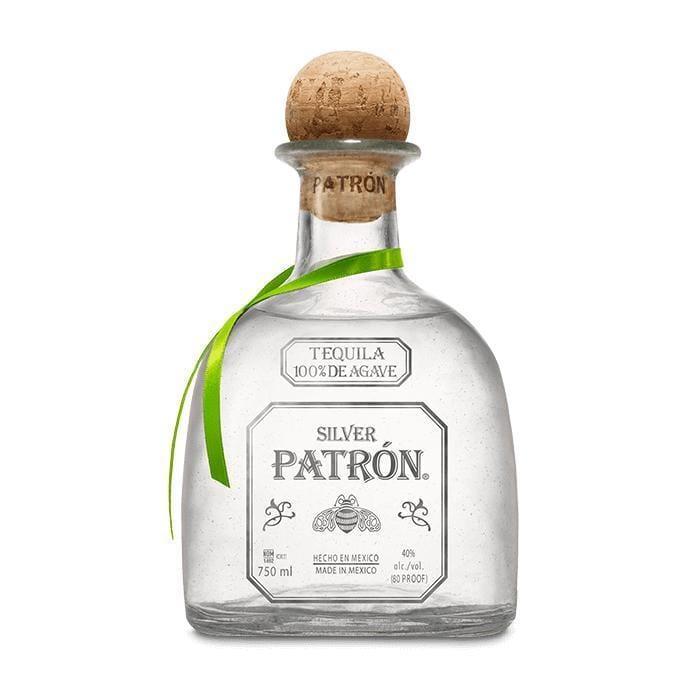
Patrón Silver is where most people begin. Unaged and full of bright agave character, it delivers citrus, light pepper, fresh herbs, and a clean finish. It’s equally at home in a margarita or poured neat when you want to appreciate the agave itself.

If you prefer a tequila that’s spent some time resting in oak barrels, you might want to try Patrón Reposado. The wood adds soft notes of vanilla, honey, and gentle spice without covering up the fresh agave flavors underneath. It’s a nice middle ground if you’re curious about barrel-aged tequila but don’t want anything too heavy.

For a richer experience, Patrón Añejo spends even longer in oak. That extra aging brings caramel, toasted oak, dried fruit, and baking spice into the mix. Whiskey drinkers often find this expression especially approachable because those flavors feel comfortably familiar.

Patrón Extra Añejo is worth a look if well-aged spirits are more your style. More time in the barrel brings deeper notes of chocolate, oak, roasted nuts, and dark fruit, making it a great choice for slow sipping.

More recently, Patrón introduced Patrón El Alto, giving longtime fans something new to explore. By blending Extra Añejo, Añejo, and Reposado tequilas, it offers a richer style without feeling overly heavy.

Why Patrón Tequila Remains So Popular

The tequila market looks very different today than it did in 1989. Countless premium brands are competing for attention, each offering its own take on traditional production and aging.

Even with all that competition, Patrón continues to hold its place because it got the basics right from the beginning. You know what you’re getting every time you open a bottle. The tequila is consistently good, and there’s a bottle in the lineup for almost every kind of drinker.

Looking back at the history of Patrón tequila, it’s easy to see why the brand is still so popular. Plenty of new tequilas have come along, but Patrón has never really gone out of style.

Explore Patrón Tequila at The Barrel Tap

Patrón has come a long way since its debut in 1989, but the reason people keep coming back hasn’t really changed. It’s a tequila that’s consistently enjoyable and made with the same attention to quality that helped put the brand on the map.

If you’ve only heard the name, now’s a great time to see what all the fuss is about. And if Patrón is already one of your go-to tequilas, there’s always another expression worth trying. Explore The Barrel Tap’s collection of Patrón Tequila and find the bottle that’s right for your next pour.