
How to Drink Rum

If you think rum is just for tropical cocktails, then think again. Rum can be bright and citrusy, rich and caramelized, or deep enough to rival a fine whiskey. If you are learning how to drink rum, the key is understanding its styles and then choosing the right way to enjoy them. This guide breaks down rum drinking without overcomplicating it. This way, you can pour with confidence whether you are at a beach bar or your own home bar.

What Makes Rum Unique?

Rum’s root is a straightforward one. It is distilled from sugarcane, either directly from fresh cane juice or from molasses, a byproduct of sugar refining. That base is what gives rum its natural sweetness and wide range of flavors. From grassy agricole rums to dark, molasses-heavy Caribbean rums, the spectrum is quite broad.

Unlike tequila or whiskey, rum production is less standardized across regions, which makes exploration fun but also confusing. The best starting point is knowing the main categories of rum.

The Main Rum Styles

White (Light) Rum

This rum is usually clear and unaged or slightly aged, then filtered. You can expect clean and slightly sweet notes with hints of citrus, vanilla, and light tropical fruit. White rum is the go-to for classics like Mojitos and Daiquiris.

Gold (Amber) Rum

Gold/Amber Rum is aged a bit longer, often in oak, which helps to give it a golden hue and more body. Gold rums bring caramel, honey, and subtle spice to your taste buds, making them versatile for sipping and cocktails alike. The Bacardi Gold Rum is a worthy pick for spicing up your cocktail.

Dark Rum

Dark Rums are aged for longer and are often kept in charred oak barrels. You can expect deep molasses, toffee, spice, and dried fruit taste from this rum. Dark rums carry weight and richness, ideal for sipping neat or in bold cocktails like a Dark ‘n’ Stormy.

Spiced Rum

Spiced rum is usually infused with spices like cinnamon, vanilla, clove, or nutmeg. These are often sweeter, approachable, and excellent for easy mixing with soda or ginger beer.

Aged & Premium Rum

Premium and aged rums are usually labelled as Anejo or marked with specific age statements. Comparable to whiskey in complexity, they tend to have layered flavors such as oak, caramel, dried fruit, and cocoa. You can either sip them neat or with a splash of water. Either way you drink them, aged and premium rums are usually fine on their own with little to no help from chasers.

Agricole Rum

Agricole rums are made from fresh sugarcane juice and are common in Martinique and other French Caribbean islands. You can expect grassy, herbal, mineral-driven flavors that are best appreciated neat or with a lime twist.

How to Drink Rum by Style

The way you drink rum depends largely on the style of rum you have in your glass.

Here are clues on the best way to drink and enjoy your rum:

  • White Rum: This helps to keep things refreshing. White rum is ideal in highballs, Mojitos, and frozen cocktails. You can try it with soda water and lime for a crisp, no-fuss drink.

  • Gold Rum: One word: flexible! Gold rum works in fruity punches or as a sipper on the rocks.

  • Dark Rum: Treat this one like it’s whiskey. You can sip it neat, adding a single cube or ice, or use it to build richer cocktails such as a Mai Tai.

  • Spiced Rum: Mix spiced rums with ginger beer, cola, or tropical juices. Spiced rums are usually easygoing, crowd-pleasing spirits.

  • Aged Rum: Aged rums are best taken neat or with a splash of water to unlock the subtle flavors. You can pair this with a cigar or dark chocolate if you want to elevate the experience.

  • Agricole: Drink agricole rum neat in a small glass, or with a wedge of lime to enhance its grassy, fresh notes.

Choosing the Right Glassware

Glassware can help set the tone for a quiet session with your favorite rum.

  • Neat: Use a tulip-shaped glass (like a Glencairn or a small snifter) to concentrate aromas.

  • On the Rocks: A simple lowball or rocks glass works best.

  • Cocktails: Cocktails like the flashy treatment. You should get highball glasses for Mojitos, coupes for Daiquiris, and tiki mugs for fun, tropical-style drinks.

A Final Word on How to Drink Rum

Rum is one of the most versatile spirits in the world. There is no single “right way” to drink it, only the way that highlights the style in your glass. Use white rum for crisp refreshers, gold for balance, dark for richness, and aged for slow sipping. Whether neat, on the rocks, or in a cocktail, a little attention to the bottle in front of you will make every pour better.

When you are ready to explore bottles for your bar, The Barrel Tap’s Rum Collection has everything from cocktail-friendly whites to aged sippers that rival fine whiskey. Start simple, explore styles, and build a short list of go-to bottles. That’s how to drink rum well.

Happy sipping!

Understanding the Difference Between Different Tequilas

When most people think of tequila, they picture lime wedges, salt rims, and quick shots at a party. But this iconic Mexican spirit has a far richer story to tell. Tequila has never been a one-note drink; instead, it’s been a symbolic cultural elixir that comes in several distinct styles that shape how it tastes, smells, and even how you should drink it. 

Beyond semantics, understanding the differences between tequilas can change how you approach cocktails, dinner pairings, or even your next bottle purchase.

This article arms you with all the information you need for understanding the difference between different tequilas, by breaking down the main types of tequila, the subtleties that set them apart, and how you can pick the perfect pour for any occasion.

What Legally Counts as Tequila?

Tequila is a protected Mexican spirit made from Blue Weber agave, also known as agave tequilana or agave azul. Tequila agave is native to the states of Jalisco, Colima, Nayarit, Aguascalientes, and Michoacan, and the high production of agavins in the core of the plant is the main characteristic that makes it great for making tequila.

Most bottles of tequila come from Jalisco, with limited production in a few surrounding regions. The heart of the agave, the pina, is cooked, crushed, fermented, and distilled into a clear spirit. Some tequila products are bottled immediately, while some rest in oak. Everything on the label flows from those choices.

Here are two terms that shape the quality and flavor of any tequila:

  • 100% de agave means all the fermentable sugars come from Blue Weber agave. You can expect cleaner, more expressive agave character.

  • Mixto blends at least 51% agave sugar with other sugars. This type of tequila is usually more neutral and often priced for mixing.

For the best appreciation of agave, reach for 100% agave. You will taste the difference in clarity and finish.

The Aging Categories of Tequila Explained

When tequila spends time in oak, it shifts from bright and grassy to rounded and dessert-like. Aging rules are consistent across the industry, and they are your clearest guide to flavor.

Check these out:

Blanco (Silver, Plata)

Blanco tequila is unaged or rested up to 60 days, making it the purest snapshot of agave. You can expect citrus, pepper, fresh herbs, and a clean, mineral finish. Blanco shines in classic cocktails and also works neat if you love a crisp profile. A reliable example would be the Don Julio Blanco 750ml, especially favored for its fresh agave and subtle citrus.

Reposado

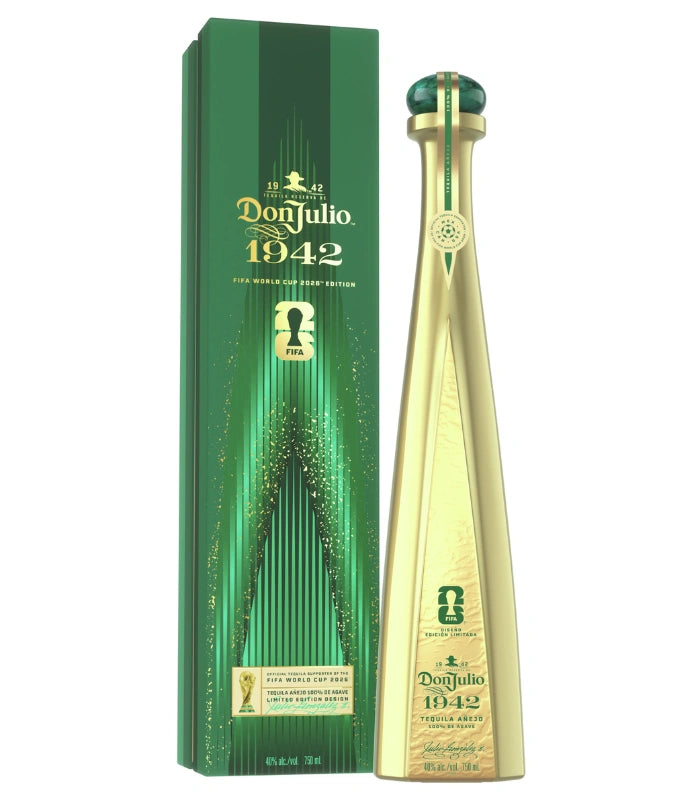
Reposado tequila is aged 2 to 12 months, usually in American oak. This helps reposado add gentle vanilla, light caramel, and soft baking spice while keeping agave at the center. It is the flexible middle ground that sips well and mixes beautifully in spirit-forward tequila cocktails. You can explore that balance with bottles like Don Julio 1942 Rosado Reposado Tequila or Teremana Tequila Reposado.

Anejo

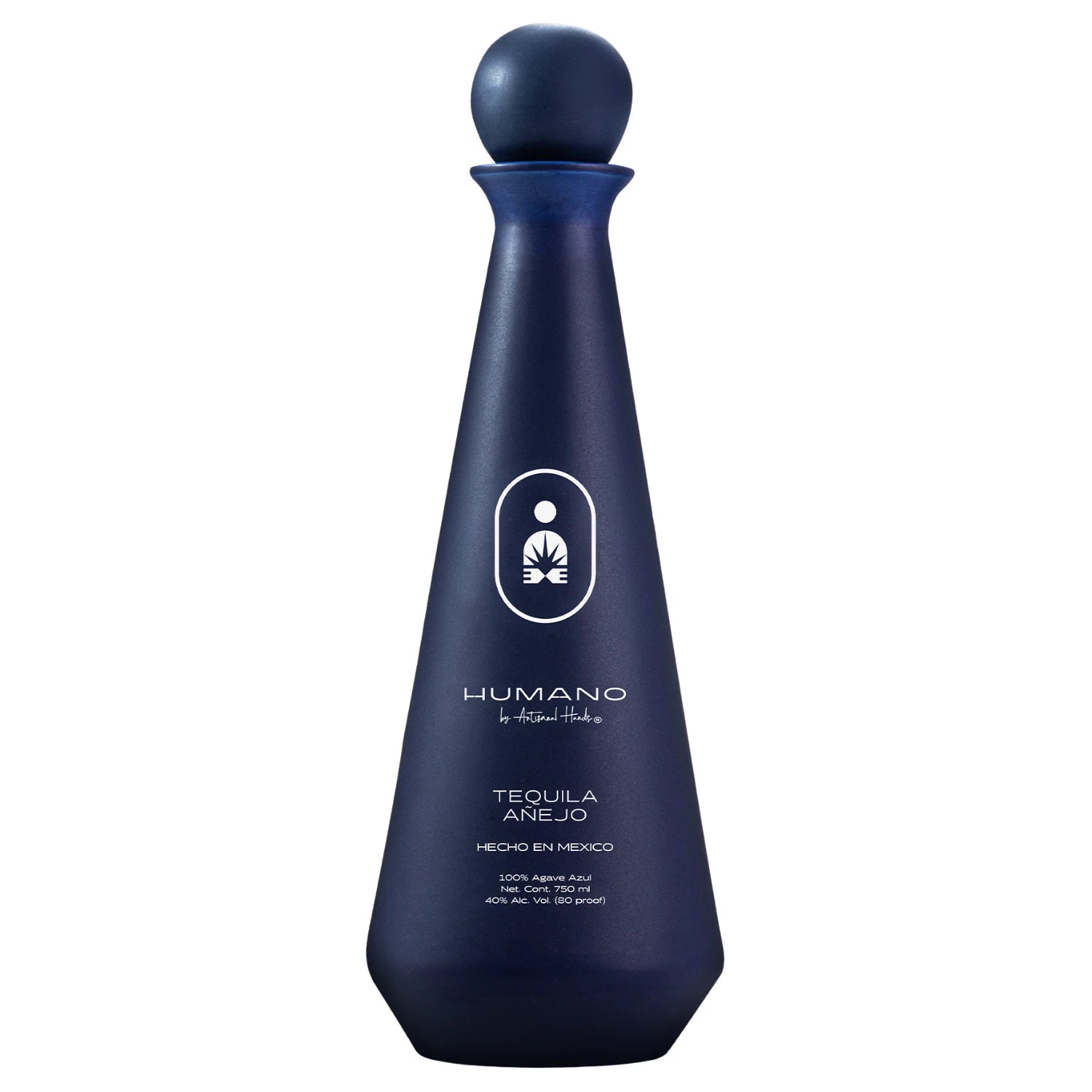
Anejo tequila is aged for 1 to 3 years in oak, which helps to develop and keep a deeper caramel, toffee, dried fruit, and cocoa taste. Anejo tequila has a mouthfeel that turns silkier, and a finish that lingers just a tad bit longer. Anejo is a sipping style, great for a slow evening pour in a rocks glass.

Extra Anejo

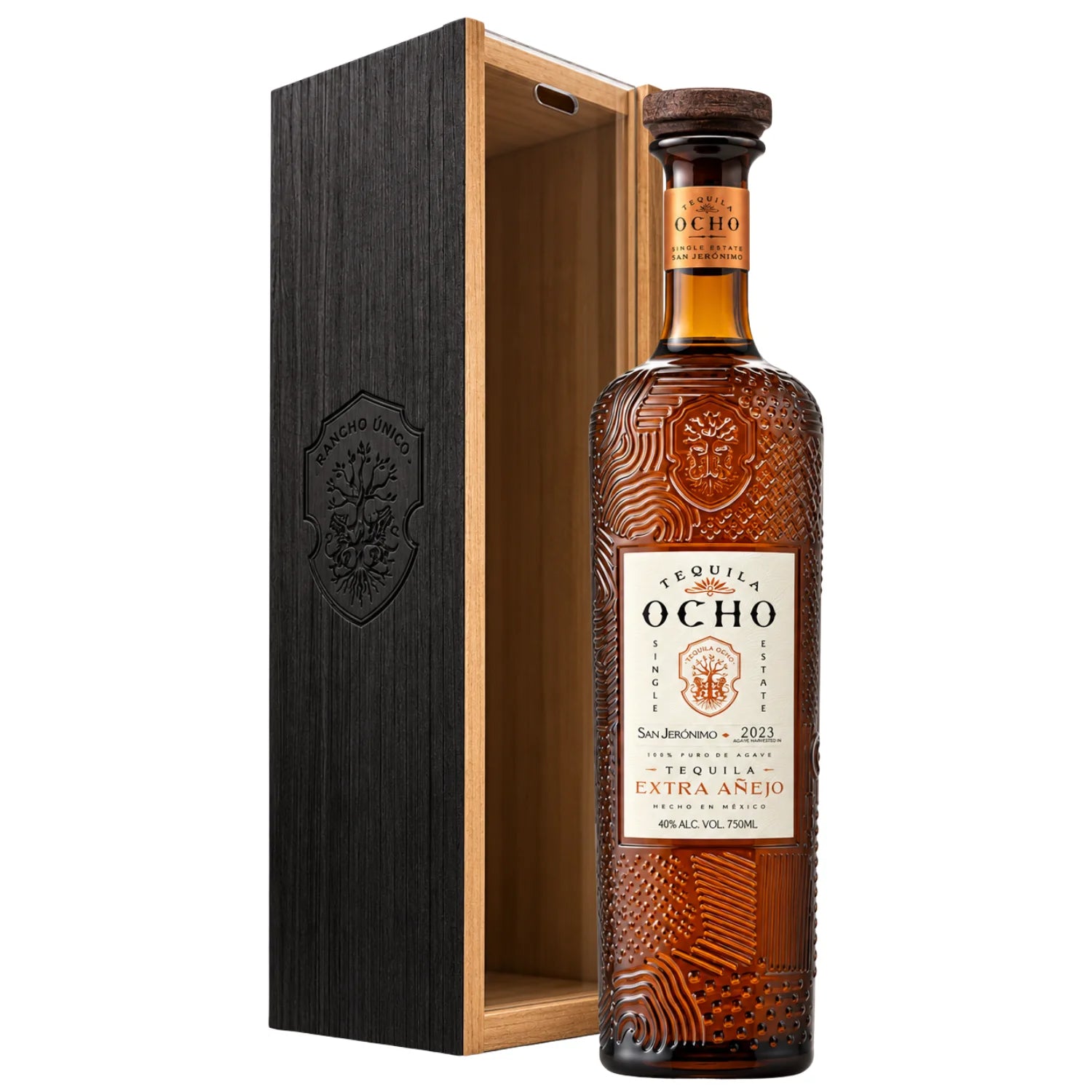
Extra anejo tequilas are aged more than 3 years, making them the most layered tequila possible. You can think of it as roasted agave wrapped in vanilla, chocolate, toasted oak, and baking spice. If you enjoy the complexity of well-aged whiskey or brandy, extra anejo will feel familiar.

Joven (Gold)

What do you get when you carefully blend unaged (blanco) and aged (reposado or anejo) tequila? Well, you get a special tequila called joven tequila, also known as gold tequila due to its color and flavor. Joven tequila could also be a blanco with allowed color and flavor adjustments.

The best jovenes typically taste like a rounded blanco with a touch of oak sweetness. Others lean more toward party mixing. You should always check the producer to know the kind of flavor and taste to expect from a joven tequila.

Cristalino

Cristalino tequila is an aged tequila that is charcoal-filtered for clarity. The goal is the smoothness of barrel aging with the brightness of a blanco. Some drinkers love that polished profile. Others prefer the color and full oak character to remain. Treat it like a style experiment and let your palate decide.

Why Tequilas Taste Different Even Within the Same Style

Labels tell you the age, but the production choices explain many of the subtle differences between two blancos or two reposados on the same shelf.

  • Agave origin: Highland agave often tastes brighter and fruitier, with rounded sweetness. Lowland agave can lean more herbal, earthy, and peppery. Neither is better than the other. In the end, it comes down to what you enjoy in a clear glass.

  • Cooking Method: Slow roasting in brick ovens builds honeyed, roasted agave notes. Autoclaves cook faster and cleaner for a more lifted profile. Modern diffusers extract sugars efficiently and can yield a lighter, more neutral base.

  • Crushing and Fermentation: Traditional tahona milling, open-top fermentation, and longer ferments can add texture and complexity. Roller mills and temperature-controlled tanks give precision and consistency. Yeast choice, such as house strains, wild ferments, or cultured yeasts, adds another layer to the aroma.

  • Distillation: Copper pot stills bring weight and character to any tequila. Column stills favor consistency and a cleaner cut. Many producers blend still types to tune body and brightness.

  • Barrels and Finishing: Most aged tequila rests in ex-bourbon American oak, which adds vanilla and gentle spice. French oak reads as more pastry-like and sweet. Some producers finish in wine or fortified-wine casks for fruit-accented notes. If you are curious about that twist, a bottle like Don Julio 1942 Rosado Reposado shows how a cask choice can add red-fruit accents without burying agaves.

  • Additives Policy: Regulations allow small amounts of certain additives for color, sweetness, or mouthfeel. Many shoppers prefer the transparency of spirits that skip those adjustments. If purity matters to you, you should explore The Barrel Tap’s Additive-Free Tequila collection.

How to Read a Tequila Label in 30 Seconds

You should look for four things when reading a tequila label:

  1. 100% de agave: A quick quality check.

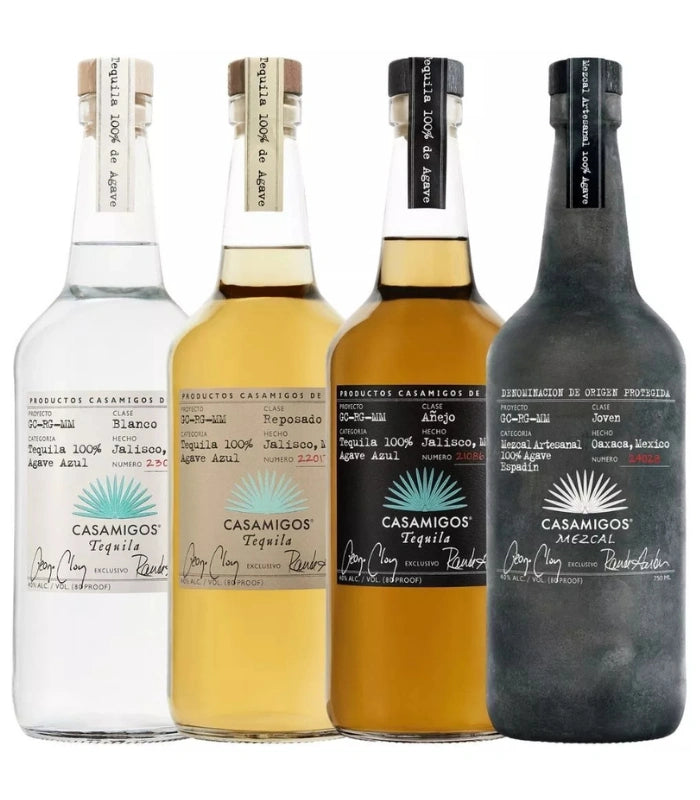
  2. Category: Blanco, Reposado, Anejo, Extra Anejo, Joven, or Cristalino.

  3. ABV: Most tequilas usually sit at 40% ABV. Higher proof can mean more intensity and structure.

  4. Producer and NOM: The NOM number identifies the distillery. If you love one bottle, that number can lead you to others with a similar house style. This is how you know your tequila game has reached new heights.

If you are browsing, The Barrel Tap’s tequila pages are organized by style and brand so you can shop quickly. Start with Tequila Brands or explore by specific producers like Don Julio.

A Simple Tasting Method That Works

Pour 1 to 1.5 ounces into a small glass. Swirl gently to open the aromas. Smell with your mouth slightly open. Take a small sip and let it sit on your tongue for a few seconds. Breathe out slowly through your nose after you swallow. 

Notice sweetness, spice, fruit, and finish. Add a few drops of water if the alcohol feels sharp. Repeat with patience. Good tequila opens up as it warms in the glass.

Tequila vs. Mezcal, Briefly

While all tequilas are agave spirits, not all agave spirits are tequila. Mezcal can be made from many agave species and often uses earthen pit roasting, which adds a smoky tone. Tequila uses one agave species, Blue Weber, and usually aims for cooked-agave clarity rather than full smoke. If you love roasted, earthy depth, mescal may sit next to your tequila, not replace it.

Quick Pairing Ideas

Tequila loves bright, fresh flavors. Blancos pair well with ceviche, grilled shrimp, salsa verde, and citrus salads. Reposado complements roasted chicken, carnitas, or sweet-corn dishes. Anejo and extra anejo sit comfortably with mole, dark chocolate, or caramel flan, and aged cheeses. In the end, ensure that you keep the garnish respectful and minimal so the agave character stays in focus.

Final Buying Tips

Always start with how you plan to drink your tequila. If you mostly mix, then you should buy high-quality blanco and a dependable reposado. If you mostly sip, go straight to anejo or extra anejo. Read labels for 100% agave, trust your preferred style notes, and keep track of the NOM numbers you enjoy. A small notebook of favorites is more useful than chasing every new release.

When you are ready to shop, you will find a wide range of styles and producers among The Barrel Tap’s Tequila Collection, from everyday blancos to limited reposados, and collector-worthy extra anejos.

Here are a few easy entry points to try:

Tequila rewards curiosity, and what better way to reward your palate than by tantalizing it with mouth-watering tequilas from a trusted and reliable supplier like The Barrel Tap? 

Top Whiskey Brands to Try

Whether you’re a seasoned sipper or just starting to explore the world of whiskey, choosing the right bottle can be overwhelming. With the ubiquitous existence of so many brands spanning multiple regions, styles, and price points, searching for the perfect pour can quickly become an exhausting venture into the rabbit hole of whiskeys. 

That’s why we’ve curated a list of top whiskey brands to try, spanning Scotch, Bourbon, Irish whiskey, and Japanese whiskey, to help guide your taste buds to greatness.

These aren’t just popular names. They’re well-crafted spirits with depth and flavor profiles that appeal to a wide range of palates. While some are smooth and mellow, others are bold and spicy, but each is a standout in its own right.

And with this, we present our highly coveted list of top whiskey brands to try!

Macallan – The Gold Standard of Scotch

Few names in the world of premium Scotch are as respected as Macallan. As a brand known for its mastery of sherry-cask aging, Macallan consistently delivers complex, luxurious single malts that continuously transcend time.

Try: Macallan Double Cask 12 Years Old Scotch Whisky

This fan-favorite brings creamy honeyed cereal, dried citrus peel, and a steady presence of lingering ginger. Making it ideal for sipping neat or with a drop of water. It’s a balanced Scotch that shows off what Macallan does best.

 Blanton’s – Bourbon with a Collector’s Touch

If you’re exploring bourbon, Blanton’s should be a non-negotiable on your radar. It’s not just the signature horse-stopper bottles that make it a cult favorite. It’s also the rich, single-barrel quality.

Try: Blanton’s Single Barrel Bourbon

You can expect notes of vanilla, caramel, and baking spice with a smooth finish, making it great for collectors, gift-givers, or anyone ready to take bourbon seriously.

 Redbreast – The Soul of Irish Whiskey

Smooth, rich, and incredibly well-crafted is perhaps the only way to describe Rebreast Irish whiskey. No wonder it is considered one of the best representations of traditional Irish whiskey. Unlike blended brands, Redbreast is a single pot still whiskey; a distinctly Irish style that brings more body and depth to your drinking experience.

Try: Redbreast 12 Year Old Irish Whiskey

The honeyed character Redbreast is infused with layered hints of dried orchard fruits, baking spice, and soft oak, making it approachable for most whiskey drinkers, but never boring. This makes the perfect companion for sipping slowly or introducing friends to Irish whiskey beyond Jameson.

Nikka – Japanese Precision in a Glass

Japanese whiskey has gained a global following for its smooth, often delicate approach to crafting the perfect taste. Among the top names, Nikka stands out for balancing tradition with innovation.

Try: Nikka Coffey Grain Whiskey

This Japanese legend is made primarily from corn, making this whiskey incredibly silky with notes of tropical fruit, caramel, and a hint of citrus zest. It’s ideal for those who like lighter-bodied spirits that still deliver complexity and adventure.

Elijah Craig – Small Batch Bourbon, Big Flavor

Bourbon lovers have long appreciated Elijah Craig for its bold character and surprising value. Often flying under the radar, this small-batch bourbon offers a big payoff without the inflated price tag.

Try: Elijah Craig Small Batch Bourbon

If you find yourself holding a bottle of this beautiful whiskey, you can expect toasted oak, vanilla, and a nice peppery bite on the finish. It’s equally great in an Old Fashioned or enjoyed neat on a slow evening.

Ardbeg – A Peat Lover’s Dream

If smoky, intense flavors are your thing, Ardbeg should definitely be on your must-try list. Hailing from Islay, this Scotch is not for the faint of heart, but fans of peat consider it king!

Try: Ardbeg 10 Year Single Malt Whisky

With briny smoke, black pepper, and dark chocolate notes, Ardbeg 10 delivers a rugged, full-bodied experience, making it a favorite among serious Scotch enthusiasts.

Widow Jane – Urban Craft Meets Tradition

Distilled in Brooklyn with limestone-rich water from upstate New York, Widow Jane offers a fresh take on bourbon without losing its traditional soul.

Try: Widow Jane 10 Year Bourbon

Its cherry, nutmeg, and orange peel notes give it an almost dessert-like complexity, balanced by strong oak undertones. It’s an excellent “conversation” whiskey, great for sipping while talking about life and legacy.

Glenfiddich – Gateway to the Highlands

Glenfiddich is a global staple for a reason. It is known for being smooth, accessible, and widely available. It’s a solid entry point for anyone curious about single malt scotch.

Try: Glenfiddich 12 Year Old

Every taste of Glenfiddich 12 Year Old Single Malt Scotch Whisky entices your palate with pear and floral notes. This bottle is friendly enough for newcomers but nuanced enough for veterans. It is also great in highballs or paired with dessert.

High West – Frontier Whiskey with a Modern Twist

Blending tradition with creativity, High West stands out as a newer American distillery that’s quickly built a loyal following. Based in Park City, Utah, High West is known for its artful blending of sourced and in-house whiskeys, resulting in bottles that are bold, nuanced, and full of frontier spirit.

Try: High West Double Rye

It’s a spicy, high-proof blend that combines young and aged rye whiskey for a complex profile of cinnamon, clove, mint, and a touch of honey. Whether sipping neat or using it to elevate your favorite Manhattan, Double Rye offers a unique take that differentiates it from more traditional brands.

Another favorite from the High West lineup, the High West Campfire, is a bold blend of Scotch, bourbon, and rye with a kiss of smoke. It’s not for the faint of heart, but it’s an unforgettable pour that whiskey explorers will love.

Choosing the Right Whiskey for You

There’s no one “best” whiskey, as it all depends on what you like. Are you into bold, spicy bourbons or soft, fruity Scotch? Do you prefer neat pours or mixing in cocktails? Here are a few general tips to keep in mind when narrowing down:

  • For bourbon beginners: Try Elijah Craig or Blanton’s

  • For Scotch newbies: Start with Glenfiddich or Macallan

  • For bold flavor lovers: Go for Ardbeg or Widow Jane

  • For something unique: Explore Nikka or Redbreast

Whiskey is deeply personal. Therefore, the best bottle is the one you look forward to revisiting, again and again.

Bonus: How to Explore Whiskey Like a Pro

Now that you have a list of standout brands, the next step is learning to explore whiskey intentionally. This way, you can get the most out of every pour and start understanding what you truly enjoy.

Here are some quick points to remember:

  • Try a flight: Start by comparing 3 – 4 small pours side by side. Include different styles (bourbon, Scotch, rye, etc.) to notice how each differs in sweetness, spice, smoke, and mouthfeel.

  • Take notes: This might seem like a lot of work, but it’s totally worth it. Write down what you smell and taste, even if it’s just “smoky” or “vanilla.” Over time, you’ll recognize patterns in what you enjoy.

  • Use proper glassware: A Glencairn glass or whiskey tumbler helps concentrate aromas and improves the tasting experience.

  • Experiment with water: Adding a few drops of water can open up hidden flavors, especially in higher-proof whiskeys.

  • Don’t rush it: This is non-negotiable. Let each sip sit on your tongue for a moment before swallowing. The finish often reveals flavors you didn’t catch upfront.

Whiskey isn’t just a drink – it’s a journey. Each bottle allows you to experience different grains, processes, regions, and philosophies. These top brands are a great place to start, but the deeper you go, the more there is to discover.

Final Sip: A Taste of Legacy

Whether you’re restocking your bar or gifting a bottle, these top whiskey brands offer a spectrum of flavor, tradition, and craftsmanship. Explore them one sip at a time, and you’ll begin to build not just a palate, but a whiskey legacy of your own.

Top Vodka Brands to Try

Vodka is often labeled the “neutral” spirit, but that doesn’t mean it has no personality. The best vodka brands deliver clean finishes, subtle character, and incredible versatility. Whether you’re building the perfect martini or chasing a silky-smooth shot, the right vodka can make all the difference.

In this guide, we are spotlighting top vodka brands to try, spanning iconic labels, artisanal newcomers, and premium picks that prove vodka can be just as complex and memorable as any aged spirit.

What Makes a Great Vodka?

While vodka is legally defined as a neutral spirit, not all bottles are created equal, and thankfully so. The best vodkas:

  • Use high-quality ingredients such as wheat, rye, potatoes, or even grapes.

  • Distilled multiple times for clarity and smoothness.

  • Filtered, often through charcoal or quartz, to remove impurities.

  • Offer a clean taste with minimal burn.

  • Can be enjoyed neat, on the rocks, or in cocktails.

Let’s explore the standout vodka brands that are worth a spot on your shelf.

Belvedere – Polish Craft, Naturally Smooth

Produced in Poland from 100% Polish rye and distilled without additives, Belvedere is one of the few luxury vodkas with a commitment to natural production.

Try: Belvedere Vodka

This particular vodka offers a smooth, soft, and subtly creamy taste, with a hint of light pepper and almond notes, making it excellent for martinis or sipping chilled with nothing added.

Grey Goose – French Elegance in a Bottle

The Grey Goose is a household name with a serious pedigree. Every Grey Goose bottle is crafted in France using winter wheat and natural spring water. It’s one of the few vodkas made entirely in one region from start to finish.

Try: Grey Goose Vodka

Whenever you sip from a bottle of Grey Goose vodka, you can expect a rounded texture with mild citrus and floral hints. It’s crisp enough for shots, smooth enough for vodka sodas, and sophisticated enough for cocktails.

Chopin – For Potato Vodka Purists

Not all vodka comes from grain; Chopin makes a bold case for potato-based vodka, offering a fuller mouthfeel and slightly earthy character.

Try: Chopin Potato Vodka

This quietly powerful vodka is creamy, rich, and incredibly smooth, making it perfect for those who prefer depth in a spirit that’s often dismissed as bland. Excellent when served iced cold and sipped neat.

Ketel One – Dutch Heritage Meets Modern Bartending

Distilled in the Netherlands by the Nolet family (who have been doing this since the 1600s), Ketel One balances old-world craft with bartending versatility.

Try: Ketel One Vodka

It’s clean, lightly citrusy, and smooth on the finish. You can think of this gem as the ideal for classics like the Moscow Mule, Dirty Martini, or even vodka tonics.

In summary, it’s a reliable, quality staple.

Absolut – Big Flavor, Big Range

This popular vodka is known for its bold branding and extensive flavor line. Absolut is a Swedish icon that consistently delivers value and quality. If you have ever googled the word “vodka,” then Absolut vodka would have popped up at some point.

Try: Absolut Vodka

The unflavored version is full-bodied, with hints of grain and a soft finish. It’s budget-friendly without feeling cheap and plays well in any cocktail, from Cosmopolitans to Bloody Marys.

Stolichnaya (Stoli) – Classic and Crisp

Though its roots are Russian, Stolichnaya is now produced in Latvia using high-grade wheat and glacial water. It’s been a favorite among bartenders for decades.

Try: Stolichnaya Vodka

This vodka is clean, slightly peppery, and very mixable. It is great in highballs, Martinis, or even as a chilled shot. This is definitely a solid mid-shelf option with legacy appeal.

Give it a try and decide for yourself!

Crystal Head – Pure Vodka, Pure Statement

Founded by actor Dan Aykroyd, Crystal Head is a vodka known for both its ultra-pure distillation and its striking skull-shaped bottle. Made from Canadian corn and filtered through Herkimer diamonds, it’s a standout in more ways than one.

Try: Crystal Head Vodka

It’s incredibly smooth, subtly sweet, and totally free of additives. Perfect for special occasions, or when you want your bar cart to spark conversations.

Tito’s Handmade Vodka – American Craft Favorite

It’s no surprise that Texas-based Tito’s has become a go-to for bartenders and casual drinkers alike. Made from corn, it’s naturally gluten-free and distilled in small batches.

Try: Tito’s Handmade Vodka

This vodka is clean, slightly sweet, and has just the right bite. Affordable and endlessly versatile, it is ideal for shots, cocktails, and everything in between.

Reyka – Icelandic Clarity, Sustainably Made

Reyka Vodka comes from Iceland, where it’s distilled in small batches using Arctic spring water and filtered through lava rocks. It’s one of the first “green” vodkas on the market, produced with sustainable energy and a strong focus on purity.

Try: Reyka Vodka

The result? An exceptionally clean, crisp, and slightly mineral flavor profile that stands out in chilled shots or refined cocktails. If you appreciate a refreshing, almost glacial smoothness in your vodka, Reyka deserves a place on your bar cart.

Vodka in Cocktails: Classics that Shine

Vodka’s clarity and subtlety make it a perfect base for many of the world’s most beloved cocktails. A few timeless examples:

  • Martini: Dry, bold, and elegant. This works best with top-shelf vodkas like Belvedere or Chopin.

  • Cosmopolitan: Tart and bright; this cocktail is ideal with something crisp like Absolut or Ketel One.

  • Moscow Mule: Spicy ginger meets cool vodka. Tito’s and Grey Goose are great choices.

  • Bloody Mary: This is a brunch favorite with bold flavors. Mix this cocktail with Stolichnaya or Reyka for balance.

The key? Always start with a quality vodka. The cleaner the base, the smoother the mix.

How to Enjoy Vodka Like a Pro

While vodka is often tossed back in college parties, there’s a more refined side to this spirit. Here are a few ways to elevate your vodka game:

  • Serve it chilled, but not frozen, as this keeps flavors alive.

  • Try sipping it neat to explore the subtleties between brands

  • Pair with food – vodka works surprisingly well with smoked salmon, caviar, or creamy cheeses.

  • Use high-quality vodka in cocktails for a cleaner, more balanced flavor.

Bonus Tip: When mixing cocktails, chill your vodka and glassware beforehand. It elevates the drinking experience, especially in minimalist drinks like martinis and gimlets, where the spirit does most of the talking. Quality vodka plus technique? That’s the secret to a pro-level pour at home.

Flavored Vodkas: Worth the Hype?

Many of the brands above offer flavored variations such as Absolut’s Raspberry, Grey Goose’s La Poire, or Ketel One’s Cucumber & Mint. When made with real ingredients (not just artificial flavors), these can be excellent for creative cocktails or refreshing spritzes.

Tip: Stick with premium flavored vodkas if you’re mixing them into lighter drinks, like soda or tonic. The better the base, the better the blend.

Final Pour: There’s a Vodka for Everyone

From Poland to Texas, vodka is no longer just a neutral party spirit. It is a global showcase of craftsmanship, subtlety, and versatility.

Whether you lean toward luxury bottles like Belvedere or Crystal Head, or want a reliable favorite like Tito’s or Ketel One, the world of vodka brands is more diverse and delicious than ever.

If you ever need a reason to start a cocktail party, vodka is a viable choice!

Pour wisely. Sip slowly. Mix boldly.

Bourbon vs. Tennessee Whiskey

At a glance, bourbon and Tennessee whiskey look and taste pretty similar. Both are born in the American South, aged in oak barrels, and made primarily from corn. But dig a little deeper, and you’ll find key distinctions in how they are crafted, and, of course, how they drink.

If you have ever wondered what separates a smooth glass of Jack Daniel’s from a rich pour of Elijah Craig, this guide to bourbon vs Tennessee whiskey breaks it down simply and clearly. By the end, you’ll know exactly what makes each unique and which bottle might be the better fit for your palate.

The Basics: What Is Bourbon?

Bourbon is a type of American whiskey that follows a strict set of rules:

  • Made in the U.S. (not just Kentucky)

  • Must contain at least 51% corn

  • Aged in new, charred oak barrels

  • Distilled to no more than 160 proof

  • Enters the barrel at no more than 125 proof

  • Bottled at no less than 80 proof

  • No added colors or flavors allowed

These rules ensure a consistent flavor profile, i.e., sweet, bold, and often full of vanilla, caramel, and spice. The use of new charred oak barrels gives bourbon its signature amber hue and rich wood-driven character.

What Is Tennessee Whiskey?

Tennessee whiskey is essentially bourbon with an extra step. It meets all the legal requirements of bourbon but adds one defining element: the Lincoln County Process.

The Lincoln County Process filters the spirit through sugar maple charcoal before it goes into barrels. The result? A smoother, mellower whiskey with slightly softer edges.

Legally, not all Tennessee-made whiskeys are required to use the Lincoln County Process, but most major producers like Jack Daniel’s and George Dickel do; so it’s become a hallmark of the style.

Bourbon vs Tennessee Whiskey: Key Differences

Let’s break down the differences of these closely related spirits side-by-side:

Feature

Bourbon

Tennessee Whiskey

Main Ingredient

At least 51% corn

At least 51% corn

Production Region

Any U.S. state

Must be made in Tennessee

Charcoal Filtering

Not used

Uses the Lincoln County Process

Flavor Profile

Bold, rich, oaky

Smoother, softer, mellow

Famous Brands

Elijah Craig, Blanton’s, Maker’s Mark

Jack Daniel’s, George Dickel

Flavor Profiles: What to Expect

Bourbon: For bourbon, think vanilla, baking spices, caramelized sugar, and toasted oak. It’s often bolder and more full-bodied, making it a favorite for sipping straight or using in cocktails like the Old Fashioned or Manhattan.

Tennessee Whiskey: Generally smoother on the front end with a lighter finish. You might pick up subtle charcoal notes, honey, and dried fruit. It’s approachable and easy-drinking, especially for whiskey newcomers.

Top Bourbon Pick: Elijah Craig Small Batch

For a classic expression of what bourbon can be, it’s hard to beat Elijah Craig Small Batch Bourbon. Made in Kentucky, this bottle brings deep notes of toasted oak, vanilla, and a bit of spice.

It is versatile; great neat, on the rocks, or in a cocktail. And it offers incredible value for its quality. The Elijah Craig Small Batch is a must-try for anyone building a serious whiskey shelf.

Top Tennessee Whiskey Pick: Jack Daniel’s Single Barrel Select

Yes, Jack Daniel’s is more than a party bottle. The Single Barrel Select is where this Tennessee icon really shines. Aged longer and chosen for its unique barrel character, this whiskey delivers depth and elegance.

You’ll taste a richer mix of toasted caramel, spice, and soft oak – still smooth, of course, but far more complex than the standard No. 7 from Jack Daniel’s.

Cocktail Versatility: Which Mixes Better?

In reality, both styles work great in cocktails, but the choice depends on the flavor you’re after:

  • Use bourbon when you want boldness. Think Old Fashioned, Boulevardier, Whiskey Sour.

  • Use Tennessee whiskey when you want smoothness. Think Lynchburg Lemonade, Whiskey & Cola, Gold Rush.

If you are entertaining guests with different taste preferences, having both on hand offers maximum flexibility.

What About Rye Whiskey?

While bourbon and Tennessee whiskey take center stage, rye whiskey is often part of the conversation, especially for those who prefer a spicier kick in their glass. Like bourbon, rye must follow strict guidelines; One of which is that at least 51% of the mash bill must be rye grain.

The result? A whiskey that’s often drier, bolder, and more pepper-forward than its corn-based cousins.

If you enjoy a sharper, more assertive flavor profile, rye might be worth exploring as a companion to both bourbon and Tennessee whiskey. In fact, many brands offer both styles, so you can compare them side by side. One standout is the High West Double Rye, a bold blend that mixes younger spice with older complexity.

Rye isn’t better or worse; it’s just different! But understanding how it fits into the American Whiskey family gives you more room to explore and appreciate all three styles.

Aging & Barrel Influence: The Flavor Shapers

One of the most important elements in any whiskey is how long it’s aged and what type of barrel it rests in. Both Bourbon and Tennessee whiskey are required to age in new, charred American oak barrels, but the time spent inside those barrels can dramatically change the final flavor.

  • Younger whiskeys (2-4 years) tend to be more spirited, grain-forward, and lively.

  • Older whiskeys (8+ years) absorb more from the wood, and bring a taste that feels like a smooth blend of vanilla, spice, leather (yes), and dried fruit.

Tennessee whiskey sometimes shows a smoother finish at a younger age because of the Lincoln County Process, but aging still adds depth and complexity over time.

Want to taste the difference age makes? Compare something like Eagle Rare 10-year with a younger label like Bulleit Bourbon. You’ll quickly see how oak, time, and technique shape your sipping experience.

Price & Availability

Bourbons dominate the American whiskey scene, so you’ll find a wider variety in stores and online. While more niche, Tennessee whiskey is still highly accessible, especially big names like Jack Daniel’s and George Dickel.

In terms of pricing, both offer a range from affordable daily drinkers like Evan Williams Black Label to high-end, collectible bottles such as Blanton’s Single Barrel Bourbon.

Whether you’re buying a casual sipper or a special gift, there’s a bottle for every budget.

So… Is Tennessee Whiskey Bourbon?

Technically, yes, but also, no!

Tennessee Whiskey meets the legal definition of bourbon plus the added charcoal filtering step. That process makes it distinct enough that most distillers (and whiskey drinkers) treat it as its own category. It’s bourbon at heart, but with a softer, smoother soul.

Final Verdict: Which One Should You Try?

If you love bold, spicy, oak-forward whiskey, start with bourbon. If you prefer smooth, mellow sips with a gentle finish, Tennessee whiskey is your lane.

But here’s the truth: there’s no need to choose sides. Both of these distilled pieces of art offer fantastic expressions of American craftsmanship, history, and flavor.

Build your bar with one (or both), and you will have the perfect pour for any mood, moment, or cocktail.

So, which would you like to try first?

Best Tequilas for Shots

Shooting tequila can be a wild rite of passage or a refined experience. It all depends on the tequila you choose. The best shots don’t come from the bargain bin. They’re crafted from 100% blue agave, smooth enough to go down clean, and bold enough to leave a lasting memory (for all the right reasons).

Whether you’re looking for a crowd-pleasing party staple or a premium bottle that elevates every round, this guide highlights the best tequila for shots across styles, price ranges, and flavor profiles.

What Makes a Great Tequila for Shots?

Not all tequilas are created equal, and the worst ones are often the reason people swear off shots forever. A good tequila shot should be:

  • 100% blue agave (not mixto).

  • Smooth enough to sip, even if you shoot it.

  • Balanced in flavor, not overly harsh or artificially sweet.

  • Affordable enough to pour freely (with exceptions for premium rounds).

Now, let’s dive into the top contenders that strike the perfect balance of flavor, smoothness, and shot-worthy energy.

El Tesoro Blanco – Pure and Crisp

For those who like their tequila clean and full of agave character, El Tesoro Blanco is a top-shelf choice. It’s handcrafted using traditional methods, which makes it as authentic as it is smooth.

Try: El Tesoro Blanco Tequila

Expect notes of black pepper, citrus, and roasted agave with a silky finish. It’s the kind of blanco that doesn’t need lime or salt, but it won’t fight them either.

 Cazadores Reposado – Classic With a Kick

Cazadores has long been a staple for tequila lovers who want a little more character without sacrificing drinkability. Their reposado is aged in oak barrels, giving it a smoother, richer texture perfect for quick sips or party shots.

Try: Cazadores Tequila Reposado

With hints of cinnamon, vanilla, and agave, it delivers more than your average house pour while still being budget-friendly enough to share.

 Clase Azul Plata – Premium Shots for Celebrations

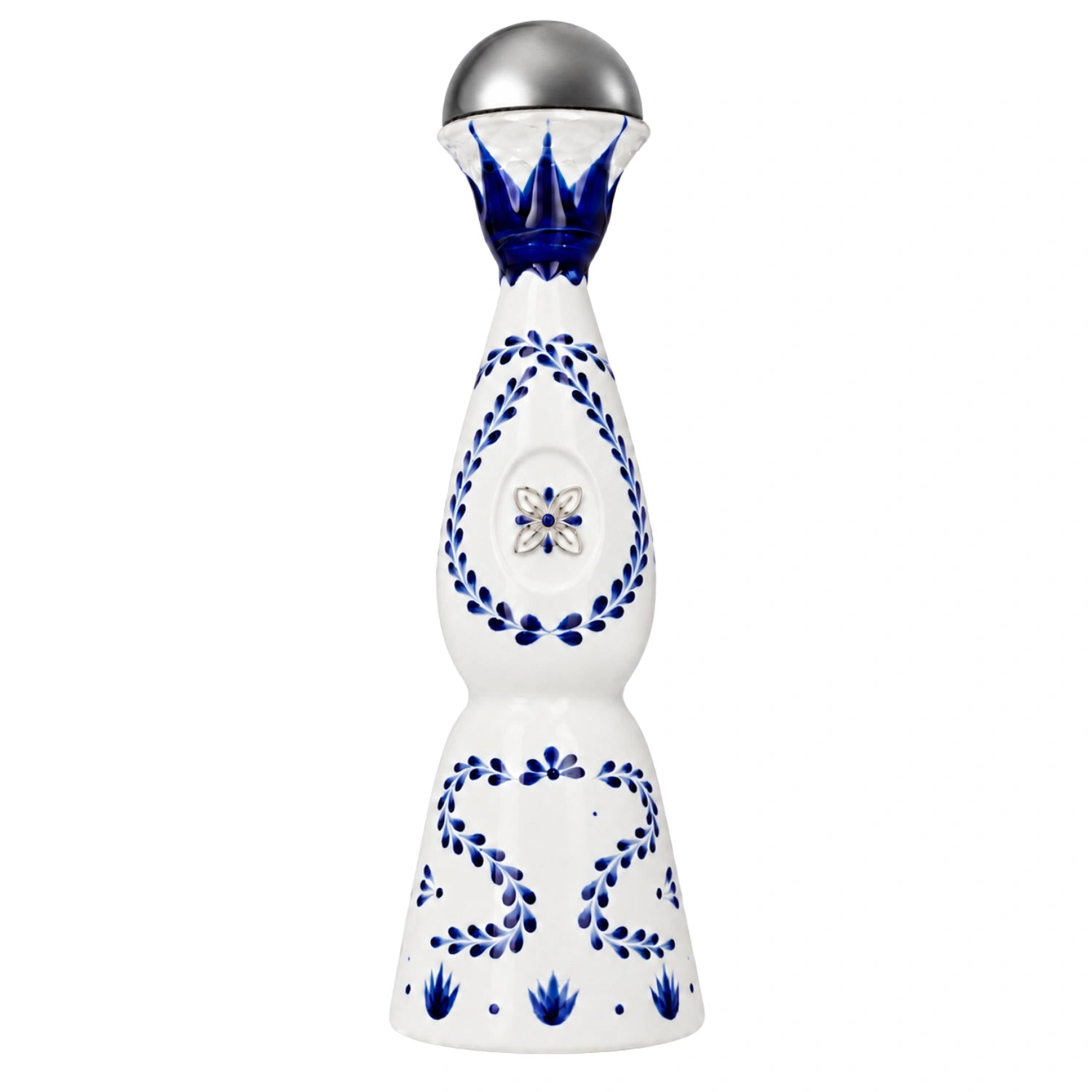
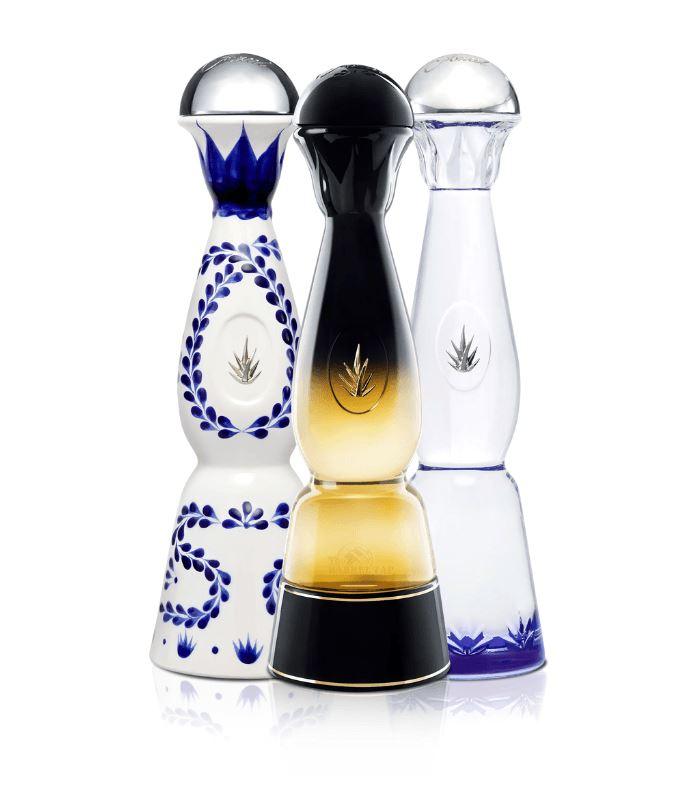
This is the kind of tequila you save for those “this better be worth it” moments. Clase Azul Plata brings art, elegance, and a silky-smooth profile to the table. Yes, it’s a splurge, but if you’re shooting it, it’s likely a celebration worth remembering.

Try: Clase Azul Plata Tequila

You can count on this famous tequila to be creamy, slightly sweet, and ultra-smooth. This is one of the best luxury blancos to shoot or sip. It’s often served as a toast at upscale events or memorable milestones.

Espolon Blanco – The People’s Shot

This bold and affordable blanco has become a cult favorite for a reason. Whether you’re partying with friends or toasting to the weekend, Espolon Blanco delivers quality without the price tag of premium brands.

Try: Espolon Tequila Blanco

This special breed of affordable tequila hits with citrus pepper and a touch of tropical fruit. Making it easy to shoot, mix, or sip. Plus, the artistic bottle makes a statement of its own.

Olmeca Altos Reposado – Smooth, Earthy, and Shot-Ready

Olmeca Altos is a bartender favorite and a great pick for those who want aged tequila with an affordable price tag and zero compromise on quality. Made from 100% blue Weber agave and tahona-crushed, it offers depth without overcomplication.

Try: Olmeca Altos Reposado

Expect notes of roasted agave, vanilla, and light oak, with a smooth finish that makes it an easy pour for shots. It’s a perfect mid-shelf upgrade when you want something better than basic, but still party-friendly.

Herradura Silver – Bold Flavor With Heritage

If you want a blanco tequila with a little more attitude, but without sacrificing smoothness, Herradura Silver is a strong contender. Distilled in Amtitan, Jalisco (one of the most respected tequila-producing regions), Herradura is one of the oldest tequila distilleries still in operation.

Try: Herradura Silver Tequila

This age-old tequila hits with roasted agave, fresh herbs, and a hint of oak, thanks to being aged slightly longer (45 days) than most blancos. The result is a full-bodied tequila that goes down with a touch of warmth and a lot of flavor, making it great for robust shot experiences or bold cocktails like Palomas and Ranch Waters.  

Last Rounds: Choosing the Right Tequila for Your Shot Style

Not every shot needs to burn or vanish in a flash. With the right bottle, you can turn a simple ritual into something worth savoring, even if it’s over in seconds.

Here is a quick guide based on your vibe:

  • For ultra-smooth shooters: Clase Azul Plata or El Tesoro

  • For high-quality party pours: Espolon Blanco or Cazadores Reposado

  • For bold, earthy flavor: Herradura

  • For special toasts: Olmeca Altos Reposado or Clase Azul

Whatever you pick, aim for quality, and trust your taste. This is because the best tequila for shots is the one that makes you say, “Let’s do that again.”

Quick Tips for Taking Better Shots

Whether you are going solo or lining them up with friends, here is how to make your tequila shots a better experience:

  • Skip the salt and lime (unless you’re masking poor quality).

  • Use proper glassware – no plastic if you can help it.

  • Chill your tequila for a crisper, smoother experience.

  • Don’t hold your breath, let the flavor hit, and exhale gently after.

Final Shot: Choose With Intention

The best tequila for shots doesn’t need to hurt, burn, or be masked with gimmicks. With the right bottle, shooting tequila can become something memorable, for the right reasons, of course!

Whether you go for the artisan craft of Herradura or the crowd-ready vibe of Espolon, there’s a perfect bottle for every moment, mood, and milestone.

Here’s to better shots, better flavor, and zero regrets.

Blended Whiskey vs. Single Malt

There’s a lot to explore when it comes to whiskey, including the different styles, regions, and opinions on what makes a great bottle. And somewhere in the middle of all that chatter, the blended whiskey vs. single malt debate keeps popping up.

Are single malts really more refined? Are blends just cheaper stand-ins? Like most things in the whiskey world, the answer isn’t so black and white.

If you’re curious about what actually makes them different (besides the price tag), we’ll break it down in plain terms. No fluff, no snobbery—just real talk to help you figure out what’s worth pouring into your glass.

What Is Single Malt Whiskey?

Despite what the name might suggest, “single malt” doesn’t mean it comes from a single barrel or a single ingredient. Here’s what it actually means:

  • “Single” means the whiskey is made at one single distillery.

  • “Malt” means it’s made from 100% malted barley.

So, for example, a single malt Scotch is a whiskey made from malted barley at one Scottish distillery. The distillery can blend different barrels and ages together, but they must all originate from the same location and use only malted barley.

Single malts are typically produced in pot stills and aged in oak barrels for at least three years, which helps develop their character. The flavor often depends on factors such as the still shape, the length of fermentation, and the aging process, as each distillery does things a little differently.

The Flavor

Single malts tend to have bolder, distinct flavors. You’ll often hear terms like peaty, smoky, fruity, or nutty tossed around, depending on where it’s made and how it’s aged. If you like sipping whiskey neat and exploring the different nuances, this is where things get interesting.

What Is Blended Whiskey?

As the name suggests, blended whiskey is a mix of different types of whiskey. Sometimes, a bit of neutral grain spirit is added to create a smooth, consistent flavor.

In most cases, a blended whiskey might include:

  • A base of grain whiskey

  • Some single malts or single grains are added in for character and depth

Think of blended whiskey like mixing paints: you’re combining different whiskey “colors” to get a specific shade every time. That’s why many blended whiskeys aim for consistency, so your favorite bottle tastes the same year after year.

Blended whiskey dominates the global market, especially in places like Scotland, where brands like Johnnie Walker and Chivas Regal are leading examples. Most blends aim for balance and easy drinking, but master blenders still have plenty of room to get creative with flavor and style.

The Flavor

Blended whiskeys are usually smoother, lighter, and more approachable. They’re great for cocktails or casual sipping when you don’t want anything too intense.

Choosing Between Blended Whiskey and Single Malt

So, how do you choose between blended whiskey vs. single malt? It really comes down to what you like, how you’re drinking it, and what the occasion calls for.

Here’s a quick breakdown to help you decide:

For sipping neat or with a splash of water

Single malt is usually the way to go if you’re after bold, layered flavors. It’s great when you want to slow down and really taste what’s in your glass.

For cocktails or easy drinking

Blended whiskey tends to be smoother and more approachable, especially in mixed drinks. It’s a solid choice for highballs, whiskey sours, or anything with a bit of ice and soda.

For gifting or special occasions

A well-known single malt can feel a little more premium, especially if the bottle looks impressive. But don’t count out a good blend. Some of them have plenty of character and won’t break the bank.

For beginners or folks just getting into whiskey

Blended whiskeys are often lighter and less intense, which can make them a more comfortable starting point.

A Few Popular Picks

If you’re just starting to explore the world of whiskey, here are some solid go-to bottles you might want to try:

Single Malts

  • Glenfiddich 12 Year: A smooth, easy-drinking Scotch with notes of pear, oak, and a touch of sweetness.

  • Ardbeg 10 Year: Big, bold, and smoky. If you’re curious about peated Scotch, this one pulls no punches. Not for the faint of heart, but a favorite among peat lovers.

  • Macallan Double Cask 12 Year: Rich and balanced with hints of honey, dried fruit, and a little spice from the sherry-seasoned oak casks.

Blended Whiskeys

  • Johnnie Walker Black Label: Smooth and layered, with just enough smoke to keep things interesting. A versatile Scotch blend that works neat or in cocktails.

  • Chivas Regal 12: Creamy and mellow with a little fruity sweetness. A solid everyday blend that’s easy to enjoy straight or mixed.

  • Jameson: Light, crisp, and slightly sweet with a touch of spice. This Irish blend is a go-to for a reason: it’s super approachable and great in cocktails.

A Smooth Finish

There’s no right or wrong here. It all comes down to personal taste. If you like bold, expressive whiskey, try a single malt. If you want something smooth and versatile, blended whiskey’s got you covered. The fun part is trying both and seeing what hits the spot.

Buffalo Trace Bourbon Cocktails Recipes

Buffalo Trace is one of those bourbons that shows up once and then never leaves your shelf. It’s a storied Kentucky bourbon with deep roots, a loyal fan base, and a flavor profile that keeps people coming back. Think caramel, vanilla, and just a hint of spice. Smooth enough to sip on its own, but it really comes alive in cocktails.

That soft sweetness and balanced finish make it easy to mix into classic or modern drinks with a twist. If you’re looking for go-to Buffalo Trace Bourbon cocktails recipes, the list below covers both the tried-and-true and a few creative takes worth shaking up.

1. Classic Buffalo Trace Cocktails

Old Fashioned

A simple, no-fuss cocktail that brings out the rich, smooth character of Buffalo Trace.

Ingredients:

Instructions:

Drop the sugar cube into a rocks glass and add the bitters. Give it a quick muddle, then pour in the bourbon. Add a few ice cubes, stir until chilled, and finish it off with an orange twist.

Manhattan

This bourbon-forward riff on the Manhattan is smooth, slightly sweet, and aromatic.

Ingredients:

  • 2 oz Buffalo Trace bourbon

  • 1 oz sweet vermouth

  • 2 dashes of Angostura bitters

  • Luxardo cherry (for garnish)

Instructions:

Stir all ingredients with ice, strain into a chilled glass, and garnish.

Mint Julep

This Southern staple gets even better with Buffalo Trace as the base.

Ingredients:

  • 2 oz Buffalo Trace bourbon

  • 8 fresh mint leaves

  • ½ oz simple syrup

  • Crushed ice

  • Mint sprig (for garnish)

Instructions:

Muddle mint and simple syrup in a julep cup or rocks glass. Fill the glass with crushed ice, add bourbon, and stir. Top with more ice and garnish with a mint sprig.

2. Modern Buffalo Trace Cocktails

Buffalo Sour

A clean, frothy take on the whiskey sour.

Ingredients:

  • 2 oz Buffalo Trace bourbon

  • ¾ oz fresh lemon juice

  • ½ oz simple syrup

  • 1 egg white (optional)

Instructions:

Dry shake all ingredients (without ice) if using egg white, then shake again with ice. Strain into a coupe or rocks glass. Garnish with a lemon twist, if desired.

Blackberry Smash

Fresh berries and citrus brighten up Buffalo Trace in this easy-drinking cocktail.

Ingredients:

  • 2 oz Buffalo Trace bourbon

  • ½ oz fresh lemon juice

  • ½ oz simple syrup

  • 4 fresh blackberries

  • Mint sprig (for garnish)

Instructions:

Muddle blackberries in a shaker. Add the remaining ingredients and ice. Shake well, then strain into a rocks glass filled with ice. Garnish with mint.

Smoky Southern Orchard

A smoky-meets-sweet blend with layers of flavor.

Ingredients:

  • 1½ oz Buffalo Trace bourbon

  • ½ oz mezcal

  • ½ oz peach puree

  • ½ oz lemon juice

  • ½ oz honey syrup (1:1 honey and water)

  • Thyme sprig (for garnish)

Instructions:

Shake all ingredients with ice. Strain into a rocks glass over fresh ice. Garnish with a thyme sprig.

3. Dessert-Inspired Cocktails

Giddy Up Buffalo

A caffeinated, creamy cocktail with a touch of chocolate.

Ingredients:

Instructions:

Shake all ingredients with ice and strain into a chilled coupe glass. Top with shaved chocolate.

S’more Buffalo

A dessert cocktail that brings campfire flavors to your glass.

Ingredients:

  • 1 oz Buffalo Trace bourbon

  • 1 oz Wheatley Vodka

  • 1 oz Buffalo Trace Bourbon Cream

  • ½ oz chocolate syrup

  • Toasted marshmallow and graham cracker crumbs (for garnish)

Instructions:

Shake all ingredients with ice and strain into a rocks glass. Garnish with a toasted marshmallow and rim the glass with graham cracker crumbs.

4. Seasonal Buffalo Trace Cocktails

Apple Cider Punch

A fall favorite, this one’s a crowd-pleaser at any gathering.

Ingredients:

  • 1½ oz Buffalo Trace bourbon

  • 3 oz apple cider

  • 1 oz ginger beer

  • Dash of cinnamon

  • Apple slices (for garnish)

Instructions:

Build in a glass over ice. Stir gently and garnish with fresh apple slices.

Maple Bourbon Smash

Sweet, citrusy, and perfect for cooler nights.

Ingredients:

  • 2 oz Buffalo Trace bourbon

  • ¾ oz fresh lemon juice

  • ½ oz maple syrup

  • Rosemary sprig (for garnish)

Instructions:

Shake all ingredients with ice and strain into a rocks glass. Garnish with a rosemary sprig.

Last Call for Bourbon Bliss

Buffalo Trace is one of those bourbons that just works. You can keep it simple with an Old Fashioned cocktail or try something more modern; it handles both with ease. The caramel, vanilla, and spice give it plenty of flavor without overpowering the rest of the drink.

If you’re ready to try these Buffalo Trace Bourbon cocktails recipes, check out our bourbon collection right here at The Barrel Tap. You’ll find everything you need to start mixing.

The History of Buffalo Trace Bourbon

There’s something about Buffalo Trace Bourbon that grabs people. It’s not just the label, and it’s not the price either. It’s what’s in the glass.

That rich, full-bodied flavor!

And while the bourbon itself is what keeps folks coming back, there’s a story behind it that’s worth knowing. Not one that reads like a dry historical timeline, but one that adds a little more weight to the pour.

Buffalo Trace is one of the few Kentucky bourbons that have lasted through the years. It’s been around for over two centuries and still hasn’t lost sight of what makes good whiskey good.

Before we get into how the bourbon itself tastes, why people swear by it, and what makes it stand out, it helps to know a bit about where it came from.

Where It All Started

Buffalo Trace didn’t start out with that name. Like most things in American whiskey, it took time to become what it is today. The property it sits on, right by the Kentucky River, has been tied to distilling since the late 1700s. It was part of the old frontier, and the ground itself was once a natural crossing point for massive herds of buffalo. 

That’s where the name eventually came from. The history of Buffalo Trace Bourbon dates back to around 1812 when the distillery began to take shape into something more recognizable.

Over the years, it went by a few different names. One of the earliest was the Old Fire Copper (O.F.C.) Distillery. Later, it was renamed after George T. Stagg, one of the most influential figures in the whiskey world.

This place has seen it all: boom times, Prohibition, wars, and the long decline of bourbon in the late 1900s. Through it all, the distillery kept going. Sometimes in the spotlight, other times hanging on by a thread. Then, in 1999, it was rebranded as Buffalo Trace Distillery. The new name marked a fresh start while still honoring everything that came before it.

The name “Buffalo Trace” connects the bourbon to something real. Those ancient migration routes left their trace on the land, and that legacy runs deep. This goes beyond a modern label slapped onto a bottle. There’s history behind it, and Buffalo Trace has never lost sight of that.

What Makes Buffalo Trace Bourbon Stand Out

Balanced Flavor

Buffalo Trace doesn’t lean too far in any one direction. You get oak, caramel, brown sugar, and just enough spice. It’s smooth, rich, and holds your attention without trying too hard.

Low-Rye Mash Bill

Buffalo Trace uses a low-rye mash bill, which means it doesn’t come with a big peppery kick. The flavor is softer and rounder, making it easier to sip for both newcomers and seasoned drinkers.

Barrel Aging

Even without an age statement, most bottles are around 8 to 9 years old. That’s enough time in the barrel to soak up the flavor without letting the oak take over. It’s all aged in traditional warehouses using tried-and-true methods.

Reliable Quality

For something at this price and scale, Buffalo Trace is surprisingly reliable. The flavor stays consistent, and that kind of predictability matters, especially when you’re reaching for a favorite.

Everyday Versatility

Enjoy it neat, on the rocks, or in a cocktail. Buffalo Trace holds up in just about any situation. It’s a staple in home bars for a reason. You can dress it up or keep it simple.

Iconic Bourbons From Buffalo Trace Distillery

Buffalo Trace Distillery is home to some of the most respected names in bourbon. The range they offer covers everything from approachable classics to rare collector’s treasures, making it easy for anyone to find a bottle that fits their taste and budget.

Here’s a quick look at some of the most iconic bottles:

Buffalo Trace Bourbon

This is the foundation of the distillery’s portfolio. Buffalo Trace Bourbon is balanced and smooth, making it a favorite for both sipping neat and mixing cocktails. Its rich flavor profile keeps people coming back time and again.

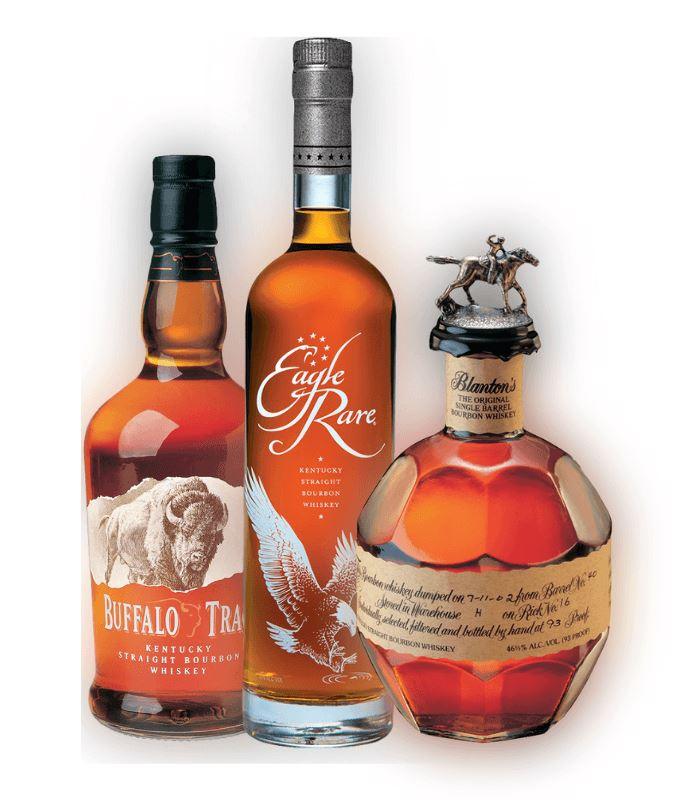
Eagle Rare 10 Year Kentucky Straight Bourbon

Aged for around 10 years in charred oak barrels, Eagle Rare develops a deeper, more complex flavor profile. You’ll pick up notes of oak, leather, and a smooth finish. It’s a popular choice for those looking to move beyond the basics.

George T. Stagg Bourbon

Named after a bourbon pioneer, George T. Stagg Bourbon is a high-proof bourbon that delivers bold, intense flavors. It’s geared toward collectors and seasoned bourbon fans who want something powerful.

Blanton’s Single Barrel Bourbon

Blanton’s Single Barrel Bourbon was one of the first of its kind, and each bottle comes from an individual barrel, making every pour a little different. Fans love the subtle variations, which make it a great pick for those who enjoy discovering new tastes.

E.H. Taylor Bourbon

E.H. Taylor Bourbon is named after Colonel Edmund Haynes Taylor Jr., a key figure in shaping modern bourbon standards. Each release, be it the Small Batch or one of the limited editions, emphasizes traditional craftsmanship and quality aging. It offers a refined, well-structured flavor profile that combines caramel, spice, and oak notes.

Pappy Van Winkle’s Family Reserve

There’s a reason Pappy Van Winkle is at the top of every bourbon collector’s wish list. Aged anywhere from 15 to 23 years, this wheated bourbon delivers deep oak, dark fruit, and a long, rich finish. With only a small number of bottles released each year, it’s incredibly hard to find. And that scarcity only adds to its legendary status. For many, this is the pinnacle of what bourbon can be.

W.L. Weller Special Reserve Bourbon

W.L. Weller shares a similar wheated mash bill with Pappy, which has led many to view it as the more attainable alternative. But this bourbon stands strong on its own. It’s smoother, a bit sweeter, and has become a fan favorite for its easy-drinking profile. Options like Weller Special Reserve and Weller 12 Year continue to build their own legacy, one bottle at a time.

Awards & Recognition

The history of Buffalo Trace Bourbon wouldn’t be complete without mentioning the many awards it’s picked up. Over the years, the distillery has garnered numerous recognitions from esteemed competitions, including the San Francisco World Spirits Competition, Whisky Advocate, and the World Whiskies Awards.

Buffalo Trace Bourbon has earned multiple gold medals. Eagle Rare 10 Year has been named “Best Bourbon” more than once. George T. Stagg shows up regularly in lists of top barrel-proof bourbons. And Blanton’s? Still a favorite in single-barrel categories.

And, of course, there’s Pappy Van Winkle. This one tends to sweep just about every award there is. However, even W.L. Weller and E.H. Taylor bottles have had their moments, especially in blind tastings where flavor takes center stage.

But here’s the thing: the awards are nice, but they’re not what makes people reach for these bottles. It’s the bourbon itself. The way it tastes. That’s the part that doesn’t need a medal.

From Frontier Spirits to Modern Legend

The history of Buffalo Trace Bourbon goes back a long way, but what really matters is how the bourbon still holds up.

Some folks stick with the classic Buffalo Trace. Others opt for Eagle Rare or perhaps something rarer, like Pappy Van Winkle. Regardless of which you go for, what matters is that they all offer solid craftsmanship and flavor that lingers.

If you’re thinking about trying a bottle or adding to your stash, The Barrel Tap has a good spread. With options ranging from everyday pours to special releases, you’ll probably find something that fits.

Guide to White and Dark Rum

If you’ve ever stood in front of a shelf full of rum bottles wondering which one to grab, you’re not alone. Rum can be a bit confusing—white, dark, gold, spiced—it’s a lot.

So, let’s go over two of the most common types you’ll see: white rum and dark rum. Both are made from sugarcane (or molasses), and both can be delicious, but they’re used pretty differently. This guide will help you understand the basics, allowing you to choose the right bottle for your taste or cocktail plans.

What Is White Rum?

White rum — sometimes called silver or light rum — is usually clear, clean-tasting, and fairly mild. It’s often aged for a short time and then filtered to get rid of any color picked up from the barrel. That makes it a go-to for cocktails where you don’t want the rum to overpower everything else.

How It Tastes:

  • Light and crisp on the palate

  • Hints of sweetness, citrus, vanilla, or sometimes subtle tropical fruit notes

  • Generally doesn’t have the heavy “funk” or deep molasses flavor in darker, more aged rums

Best For:

A Few Bottles to Look Out For:

  • Planteray 3 Stars (formerly Plantation 3 Stars) is a clear white rum blending fresh and aged rums from Barbados, Jamaica, and Trinidad. It offers ripe banana, tropical fruit, and vanilla notes, with a touch of spice and funk, making it a balanced choice for classic and creative cocktails.

  • Ten To One Caribbean White Rum honors Caribbean heritage with a clean, crisp flavor. It features bright tropical fruit, vanilla, and gentle spice with no added sugar or artificial flavors. Smooth and balanced, it’s perfect for classic cocktails and creative mixes alike.

  • Bacardi Superior is a classic for good reason. It’s smooth, light, and clean, with subtle notes of vanilla and almond, and it’s triple-distilled and charcoal-filtered for reliability. It’s easy to find, making it perfect for all your favorite cocktails.

White rum is basically the cocktail MVP. If you like clean, refreshing drinks that mix well with just about anything, this is your lane.

What Is Dark Rum?

Dark rum is aged longer and takes on more color and flavor from the barrel. Some dark rums get their color from aging in heavily charred barrels, while others may have caramel or molasses added for a richer look and taste. These rums tend to have bolder, deeper flavors, such as brown sugar, spice, and vanilla, with a sometimes smoky finish.

How It Tastes:

  • Rich and full-bodied

  • Notes of molasses, oak, spice, or dried fruit

  • Some have a sweet, almost dessert-like quality

Best For:

  • Sipping neat or with a single ice cube

  • Dark ‘n’ Stormy

  • Rum old-fashioned

  • Baking or cooking (for example, rum cake)

A Few Bottles Worth Trying:

  • Diplomático Reserva Exclusiva is a rich, smooth Venezuelan dark rum aged up to 12 years. It’s packed with warm caramel, toffee, and spice notes like cinnamon and clove, plus hints of orange peel and chocolate. It’s a top choice for sipping slowly or for premium cocktails that call for something sweet and complex.

  • Goslings Black Seal is the go-to rum for making a proper Dark ‘n Stormy. It’s a dark rum from Bermuda with flavors of caramel, vanilla, and spice, plus a smooth, slightly sweet finish. It works great with spicy ginger beer to create the classic look and taste that rum lovers appreciate.

  • Papa’s Pilar Dark Rum is a bold and flavorful rum with rich notes of molasses, caramel, and spice. It’s smooth enough for sipping neat or over ice, yet it has enough depth and character to stand out in cocktails. It’s a great choice if you want a rum with both richness and a bit of edge.

Dark rums are great if you’re into spirits that you can sip slowly or use in cocktails that call for a little more depth and warmth.

White vs. Dark Rum: What’s the Difference?

White rum is made through a process that strips out most flavors, resulting in a clean, light taste. It’s usually not aged long and stays clear. Because of this, white rum mixes well with other ingredients and won’t overpower your drink.

Dark rum is made differently. It’s aged longer in charred barrels, which gives it a richer color and deeper flavors, such as caramel and spice. This makes dark rum great for sipping on its own or adding a stronger, more complex touch to cocktails.

Which Rum Should You Buy?

Picking the right rum really depends on how you plan to enjoy it. If you want to make cocktails at home, white rum is your best bet. It’s light, clean, and mixes well with just about any ingredient. Whether you’re shaking up a mojito or a classic rum and coke, a good white rum will be your reliable base.

On the other hand, if you want something to sip or use in bolder, more complex cocktails, dark rum is where you want to look. These rums have spent more time aging and have developed rich flavors, including caramel, spice, and vanilla. They work great straight, on the rocks, or in drinks that call for deeper flavor.

But if you’re not sure which to choose, simply grab a bottle of each and start experimenting. You might find you love the crisp freshness of a white rum one day, then want the warmth of a dark rum the next. Having both on hand means you’re ready for whatever mood or recipe comes your way.

Remember, the best rum is the one you enjoy. So don’t be afraid to try different bottles and find your own favorites.

A quick tip: Rum doesn’t always follow the same naming rules as, say, whiskey. A white rum might still be aged and filtered. A dark rum might get its color from added caramel. So, don’t be afraid to read the label or ask someone (like us) who knows the lineup.

Find Your Next Rum at The Barrel Tap

Rum is one of the most versatile spirits out there. From crisp and clean to rich and full of character, there’s a bottle for every kind of drinker. And when you’re ready to stock your bar, The Barrel Tap has you covered with curated picks across the spectrum. Browse our selection, try something new, and find your go-to bottle—white, dark, or maybe both.