
The Story Behind Casamigos: From Celebrity Dream to Global Brand

Not all successful ventures start out as well-thought-out plans with perfect execution strategies. That’s exactly the case with Casamigos. When three friends casually talked about creating a personal project, they simply wanted a tequila they actually enjoyed. Little did they know that their simple idea would turn out to be a global name that tequila lovers everywhere recognize.

So, let’s start at the beginning. Who actually crafted Casamigos?

Who Made Casamigos?

It all started with three friends who just wanted a tequila that felt right to them. They weren’t trying to build a brand or chase trends. Instead, they were just looking for a drink they could enjoy without the usual burn or fuss.

The idea was simple: make a tequila that’s smooth, easy to sip, and works on its own. That meant no salt, lime, or any other tricks were needed. They experimented, tasted, adjusted, and kept going until it felt just right for their own palates. When it came time to name their project, they called it “Casamigos,” which means “House of Friends.”

And who were these friends? George Clooney, the Hollywood actor; Rande Gerber, who runs successful nightlife businesses; and Mike Meldman, a real estate developer. Although they’re from different worlds, they had the same love for good tequila!

So they pooled their tastes, their ideas, and their time, and turned what started as casual evenings into something much bigger.

From Private Project to Public Favorite

What’s interesting is that the tequila wasn’t meant for the public, at least at first. It was made by friends, for friends, simply for the pure enjoyment of it.

But as they shared it with their inner circle, word got out. People started asking where they could snag a bottle. Suddenly, it became clear that they had something special on their hands. This private tequila was ready for a bigger audience. It was a tequila that people actually wanted to drink straight, not just mix into a cocktail.

The Big Acquisition

Then came the big news: in 2017, Diageo bought Casamigos for up to >$1 billion. The initial payout was $700 million, with another $300 million possible depending on how the brand did over the next 10 years. Even after going global, Casamigos stayed easygoing and approachable. It’s still the kind of tequila that feels made for sharing, only now millions of people can enjoy it.

The Casamigos Lineup

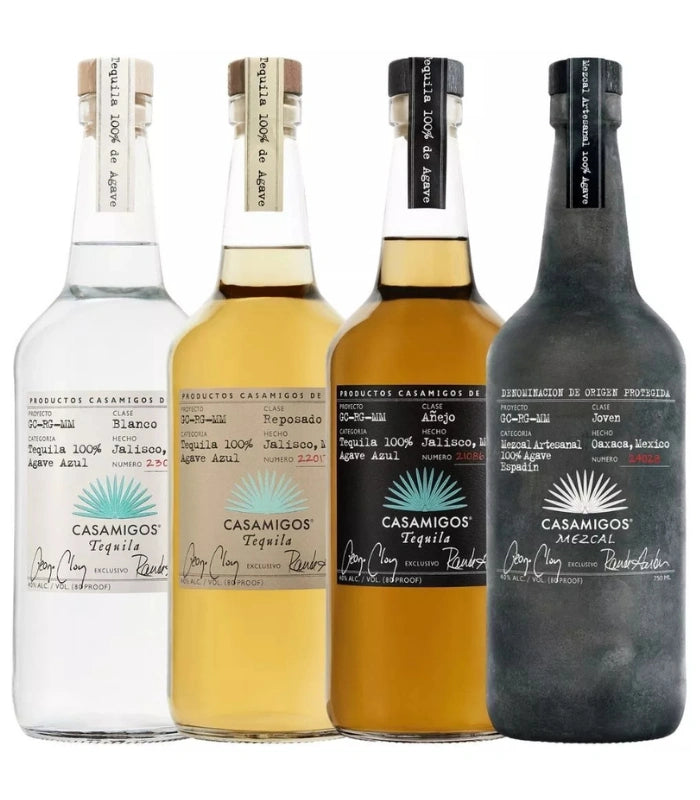
Casamigos isn’t just one tequila; there’s a little something for every kind of night. Some bottles are light and easy, while others are richer. And if you feel like trying something different, there’s one that’s got that smoky twist. Let’s break them down:

Casamigos Blanco

Casamigos Blanco is crisp, clear, and unaged. It is made from 100% Blue Weber agave from Jalisco, Mexico. The agave gets slow-roasted in traditional brick ovens, then crushed and fermented for about 80 hours. It rests just a little in stainless steel before hitting the bottle. The result is bright, fresh flavors that work great neat, on the rocks, or in cocktails.

Casamigos Reposado

Aged at least seven months in American white oak barrels, Casamigos Reposado balances smoothness and flavor. It brings notes of caramel, vanilla, dried fruits, subtle spice, and oak. The finish is long and gentle, with a little warmth, making it perfect if you want something richer than Blanco but still easy to sip or mix.

Casamigos Añejo

Between one to three years in the barrel gives this tequila a deep, layered flavor. Caramel, vanilla, soft spice, and oak come through in a way that’s meant to be savored slowly. Casamigos Añejo is warm, smooth, and refined; the kind of tequila you sit back with and really enjoy.

Casamigos Mezcal Joven

Made from 100% Espadín agave in Oaxaca, mezcal is a little different. The piñas are slow-roasted in earthen pits lined with volcanic rock for several days, which gives them those signature smoky notes. Casamigos Mezcal Joven is made using traditional methods, giving it a bold and little peppery flavor. It’s a solid choice if you want something beyond tequila.

No matter which bottle you grab, it’s all built on the same idea the founders started with: tequila that’s smooth, approachable, and made to enjoy with friends.

Raise Your Glass

Ready to try it yourself? Casamigos Blanco, Reposado, Añejo, and Mezcal are all available at The Barrel Tap. Each bottle tells the story of who made Casamigos, their love for tequila, and a dream that grew into a global brand.

XO, VS, VSOP Explained: A Beginner’s Guide to Cognac

Every original cognac bottle has one of these letters stamped on it: XO, VS, VSOP. If you’re new to this prestigious spirit, it’s normal to wonder what these letters actually mean.

Truth is, a lot of us just grab what looks good on the shelf. But here’s the thing: those letters tell you a lot about what’s inside your bottle and how it will taste.

So, in this guide, we go over the basics of cognac. We’ll explain those seemingly mysterious (and somewhat intimidating) classifications, and give you a peek at some standout bottles from The Barrel Tap. That way, it’s a little easier to explore these categories and a lot more fun!

What Is Cognac?

Cognac is a type of brandy, but not just any brandy. To be called cognac, it has to follow some strict rules.

First, it must come from the Cognac region in France. Second, it has to be distilled twice in copper pot stills. And importantly, it needs to meet the standards set by the Bureau National Interprofessionnel du Cognac (BNIC).

Right inside every cognac is eau-de-vie, which translates from French as “water of life.” This is the young, clear spirit that will eventually become the amber cognac in your glass. In other words, eau-de-vie is the raw material that, with time and oak barrels, turns into something richer and a lot more complex.

Cognac Classifications Explained

Cognac labels can seem like alphabet soup, but here’s the simple version:

  • VS: This label stands for “Very Special.” When you see VS on a bottle, it tells you that the youngest spirit in the blend has been aged for at least 2 years.

  • VSOP: This stands for “Very Superior Old Pale.” The youngest eau-de-vie (spirit) in the blend has spent at least 4 years in oak barrels. This extra time softens the spirit, giving it more balance and depth.

  • XO: This one means “Extra Old.” The youngest spirit has been aged at least 10 years, resulting in a deep, layered character. XO cognacs are luxurious and complex, with rich notes like chocolate, spice, and leather.

How Aging Affects Flavor and Quality

Aging is where cognac really earns its stripes. Time in oak barrels softens the spirit, pulls out flavors from the wood, and adds layers to what you taste.

VS Cognac

The flavor of VS is bright and fresh. You might notice fruity notes and a little spice. It has a certain energy that makes it the perfect starting point for cocktails or a quick sip over ice.

VSOP Cognac

VSOPs are usually more rounded. They bring that subtle oak flavor with a touch of dried fruit. Plus, their finish is smooth and friendly to your palate, even if you’re new to cognac.

XO Cognac

XO is the showstopper. It has deep, layered flavors with hints of chocolate, leather, tobacco, and warm spice. If you’re looking for something to savor slowly, go for a cognac XO bottle.

Popular Cognac Brands and Examples

When discussing cognac, some brands have become household names. We’re talking Hennessy, Rémy Martin, Martell, and Courvoisier.

But what about specific bottles you can actually try today? Here are a few you might want to check out:

VS Picks

  • Martell VS: This is a lively, approachable VS. It’s perfect for mixing or just sipping over ice. You’ll notice subtle fruity notes and a gentle spice that make it easy to enjoy even if you’re new to cognac.

  • Branson Phantom VS: This one is smooth and bold. It’s a great choice if you’re just getting started with cognac. Fun fact: this VS has a connection to 50 Cent, giving it a bit of modern, celebrity flair.

VSOP Picks

  • Hennessy VSOP X LeBron James Limited Edition: This silky and layered cognac is perfect for sipping neat. It’s approachable but still feels like a treat. The “X” in the name marks it as a special edition of the classic VSOP, and the LeBron James branding adds a collector’s appeal.

  • Le Portier Shay VSOP by Shannon Sharpe: This cognac is smooth, refined, and full of character. It carries subtle oak and fruity notes, giving it a balanced profile that’s easy to enjoy. Plus, the NFL star’s touch adds a bit of personality.

XO Picks

  • Rémy Martin XO Excellence: This is the definition of ultra-luxurious, rich, and elegant. Deep layers of dried fruit, spice, and subtle oak make it perfect for slow sipping. XO Excellence shows what years in the barrel can do for complexity.

  • Courvoisier XO Cognac: Want a bottle that’s deep and complex? Grab this one. It is perfect for a slow evening sip. It’s made from eaux-de-vie aged up to 35 years, with velvety layers of candied orange, dark chocolate, and honeyed spice.

How to Choose and Enjoy Cognac

If you’re new to cognac, here’s an easy way to start. Go for VS if you want something light and lively that’s good for cocktails or a quick sip over ice. Here’s why. It doesn’t demand too much from your palate.

Try VSOP when you’re ready to just sit back and sip something smoother and more balanced. You’ll notice a bit more oak and a warmth that makes sipping neat feel really satisfying.

Save XO for special moments, the kind you slow down with and really let the years of aging show in every sip. You want to savor it as much as possible. You can even let the aroma linger a little before that first taste.

Serving Tips

  • Use a tulip-shaped glass to help concentrate the aroma.

  • Serve VSOP and XO at room temperature. VS is fine when it’s slightly chilled.

  • Take a moment to smell before sipping. The aroma often tells you more about the flavors than the first sip.

Pairing Ideas

When it comes to pairing, VS goes well with light appetizers and seafood. It’s bright and fresh, so it doesn’t overpower simple flavors, and it’s fun to sip alongside something easygoing.

VSOP pairs beautifully with cheese, charcuterie, or roasted meats. The extra aging gives it more smoothness and depth, so it can hold its own with richer flavors without feeling heavy.

XO is a perfect companion to dark chocolate or even a cigar if you’re feeling fancy. It’s the kind of cognac you take your time with, letting the layers of spice, oak, and fruit reveal themselves slowly as you enjoy the pairing.

Bottling It Up

Knowing the difference between XO, VS, and VSOP makes picking a cognac way less intimidating and way more fun. Next time you’re staring at bottles, you’ll have a better idea of what fits your mood and your taste.

Try them all, see what you like, and if you’re ready to start your own cognac adventure, the bottles from The Barrel Tap are a solid lineup to get going.

Best Sparkling Wines to Sip in 2025: Top Brands to Know

Pop, fizz, clink! Few sounds say celebration quite like a bottle of sparkling wine opening. Still, with so many choices out there, it can be tough to know which one to grab. That’s where knowing the brands of sparkling wine really helps.

Here are five standout brands, plus a couple of sparkling wines from each that you’ll want to try in 2025.

1. Veuve Clicquot

Top Picks:

Veuve Clicquot shines as brightly as the bubbles in its Champagne. The house started back in 1772 in Reims, France, and it’s been known ever since for its bold flavors and a bit of flair.

The Yellow Label Brut is Veuve’s signature Champagne, the one you know you can always count on. It’s a mix of Pinot Noir, Chardonnay, and Pinot Meunier, bringing notes of pear, yellow apple, and fresh brioche. Every sip feels crisp, balanced, and just fancy enough for any occasion.

If you want something with a little twist, go for the Rich Rosé. It’s made for mixing, with a touch of sweetness that pairs beautifully with fruit or herbs. You can pour it over ice, take a sip, and feel like you’re on vacation for a moment.

2. Dom Perignon

Top Picks:

Dom Pérignon is the kind of Champagne that makes you feel special before you even pop the cork. Named after the Benedictine monk often credited with influencing early Champagne-making, the label is known for its rarity and attention to detail. The house only releases vintage bottles in years that truly stand out, which makes each one feel like a moment in time.

The 2015 Limited Edition, made in collaboration with artist Takashi Murakami, looks playful but drinks seriously good. There’s citrus, white peach, and a little toasted brioche. It just keeps opening up as you sip.

Then there’s the Rosé Vintage 2009. This one is rich and expressive, with hints of red berries, soft spice, and that creamy texture Dom is known for. It’s the kind of bottle you open during one of those quiet evenings that do not need anything more than good Champagne.

3. Ruffino

Top Picks:

Ruffino may have started in Tuscany, just outside Florence, but its sparkling wines bring the lively spirit of Italy’s Veneto region straight to your glass. Founded in 1877, this winery has a way of keeping things classic without feeling stuffy. The wines are elegant but still easy to love.

The Prosecco DOC is crisp and refreshing, full of green apple, citrus, and a light floral touch that keeps it lively from start to finish. It’s a bright and simple bottle, the kind that gets along with everyone.

If you want a little more color, go for the Prosecco Rosé. The blend of Glera and Pinot Noir gives it those soft red berry notes and a creamy finish. It’s made for brunch tables and backyard laughs. You can even pair it with roasted chicken or green salads on those evenings when you want something festive but relaxed.

4. La Marca

Top Picks:

La Marca makes Prosecco feel effortlessly elegant. It takes the charm of Italian Prosecco and gives it a modern spin that feels crisp and ready whenever you are.

The classic Prosecco has green apple and citrus notes with just a hint of minerality, making it a natural fit for seafood or just sipping while you kick back on the porch.

The Prosecco Rosé turns things up a notch with its soft pink hue and red berry flavors. It’s smooth, light, and a little flirty, the kind of wine that fits perfectly with catching up with friends or celebrating small wins. La Marca proves that sparkling wine doesn’t have to take itself too seriously to taste amazing.

5. Mumm Napa

Top Picks:

Mumm Napa shows that great sparkling wine isn’t only made in France. It carries the spirit of the legendary G.H. Mumm Champagne house but swaps French vineyards for Napa sunshine. That mix of heritage and California energy gives every bottle a sense of brightness and ease.

The Brut Prestige has that easy balance you want in a sparkling wine. It’s bright with fruit, a touch of citrus, and just enough toast to make it feel special. It’s friendly but still polished enough to pour when you want to impress.

The Blanc de Blancs, made entirely from Chardonnay, is all crisp energy and fresh flavor. Think green apple, lemon zest, and that clean finish that makes you want another sip. It’s great with seafood or just something nice to open on its own.

Raise a Glass to What’s Next

The right brands of sparkling wine have a way of making any moment feel worth celebrating. So pick a bottle that speaks to you, pop the cork, and let the bubbles do the rest. You can find your next favorite at The Barrel Tap, where good taste is always in stock.

Top Eagle Rare Substitutes for Bourbon Lovers on a Budget

Eagle Rare has earned a loyal following among bourbon lovers who appreciate its balance of oak, caramel, and slow-building spice. But there’s a catch: finding a bottle can feel like chasing a ghost or paying more than you’d like when you finally do.

And while Eagle Rare may be hard to come by, it’s not untouchable in spirit. Several bottles out there share its smooth, well-aged character without the steep price tag or scarcity. You’ll find kindred pours within its own distillery family and others that bring their own take on that easy, refined style in the glass.

If you have been searching for a bourbon similar to Eagle Rare, consider this your guide to seven bottles that bring rich flavor, craftsmanship, and character to every pour.

What Makes Eagle Rare, Eagle Rare

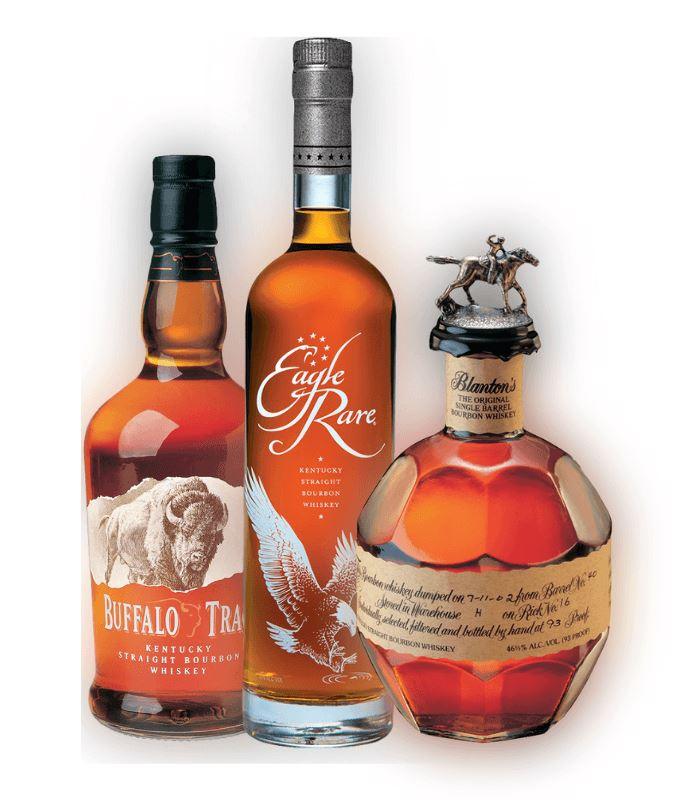
Eagle Rare has a reputation for elegance in a glass. The lineup from Buffalo Trace includes everything from the classic 10-year-old to limited-edition aged releases, all known for their mix of caramel sweetness, honeyed warmth, rich oak, and gentle spice. Its long, smooth finish gives it a sense of maturity that stands out even among other well-aged bourbons.

What makes Eagle Rare so special is that it’s both smooth and full of character. Each sip has layers of flavor without hitting you over the head. Any bourbon hoping to match it needs to bring that same balance and care to the glass.

Bourbons Similar to Eagle Rare, at Friendlier Prices

1. Buffalo Trace Bourbon

It makes sense to start with Buffalo Trace itself. Coming from the same distillery as Eagle Rare, it shares a lot of the same flavor DNA.

On the nose, you’ll catch vanilla, soft toffee, and just a hint of spice. It drinks smooth and easy, with a touch of oak that doesn’t get in the way of the sweetness. It’s a little younger and not quite as layered as Eagle Rare, but that actually makes it really approachable. You can sip it neat, drop it on the rocks, or even use it in a classic cocktail.

2. Larceny Small Batch Bourbon

Larceny uses wheat in the mash, which makes it soft and easy to drink. You’ll notice honey, caramel, and a touch of spice all blending together nicely on the palate. It’s a bit sweeter and gentler than Eagle Rare, so it’s perfect if you like a smooth, easygoing bourbon.

Larceny Small Batch Bourbon also has a light, approachable finish that makes it great for sipping straight, on the rocks, or in a simple cocktail.

3. Blanton’s Single Barrel Bourbon

Blanton’s is another great pick, especially if you like a bit more complexity. It’s a single-barrel bourbon from Buffalo Trace, so each bottle has its own little quirks.

You’ll notice caramel, orange peel, baking spice, and oak all coming together in a richer, more layered sip than Eagle Rare.

It’s bolder, but still balanced, so it doesn’t feel overwhelming. Plus, there’s a bit of fun in its collectible nature. Each bottle has that signature round stopper, which makes it feel special even before you pour.

4. Knob Creek 9-Year Bourbon

Knob Creek is a bolder option, with a full-bodied, rich flavor that stands out in the glass. You’ll get notes of brown sugar, roasted nuts, vanilla, and a good dose of oak. It’s a bit more intense and charred than Eagle Rare, but it still drinks smoothly.

The finish is long and satisfying, which makes it a great choice if you like a hearty bourbon that really sticks with you. It works well neat or with a splash of water, and it’s solid in classic cocktails too.

5. Russell’s Reserve 10-Year-Old Bourbon

Russell’s Reserve 10-Year-Old Bourbon from Wild Turkey is another solid alternative. It has that nice balance of toasted oak, caramel, and baking spices, with a touch of dried fruit in the background.

Compared to Eagle Rare, it’s a little spicier, which gives it some extra kick, but it still stays smooth and well-rounded. The finish is long without being overpowering, making it great for sipping straight or with a small ice cube.

6. Henry McKenna Single Barrel Bottled-in-Bond (10-Year)

Henry McKenna Single Barrel is a standout, especially if you want something really close to Eagle Rare. It’s aged 10 years, so it has that same mature, well-rounded feel.

You’ll notice caramel, vanilla bean, oak, and a little peppery spice all coming through in each sip. It’s smooth and balanced, with enough complexity to keep it interesting without being overwhelming. This one works great neat, on the rocks, or in a simple bourbon cocktail.

7. Bib & Tucker 6-Year-Old Small Batch Bourbon

Bib & Tucker is an easygoing option with a bit of a Tennessee twist. You’ll notice toasted oak, butterscotch, and a touch of fruit that gives it a smooth, approachable flavor.

It’s younger than Eagle Rare at six years, so it’s a bit lighter, but it still has that gentle sweetness and subtle spice that make it easy to sip. This one works neat, on ice, or in a simple cocktail, and is perfect if you want a friendly, easygoing bourbon.

Find Your Bourbon Twin

Every bourbon has its own story. Some are bold and spicy, while others are soft and sweet. The ones most like Eagle Rare are easy to enjoy. Just pour a glass and you’ll notice the smooth, well-balanced flavor in every sip.

Finding a bourbon similar to Eagle Rare isn’t as tricky as it seems, especially when you know where to look. The Barrel Tap has a great selection of bottles that are ready to grab and enjoy at home. Check out our bourbon collection and see which one could be your next favorite pour.

The Science of Winemaking

Ever wondered how that simple grape you see in the vineyard turns into a delicious glass of wine you enjoy? It’s not magic, though sometimes it feels that way.  Winemaking is a careful mix of art, science, and a little bit of patience. 

When you understand the science behind it, every sip becomes a bit more fascinating. And if you’re looking to taste some wines that really show off the care and craftsmanship that go into every bottle, be sure to check out our curated wine collections.

Choosing and Growing the Perfect Grapes

Great wine starts in the vineyard. There’s a lot that goes into growing grapes that make you go “wow!” And it all comes down to science.

First, the type of grape matters. Each grape variety has its own sugar levels, acidity, and flavor profiles. All of these affect how bold, sweet, tart, or somewhere in between the wine will be.

The soil (and minerals in it) is equally important. Besides influencing how the vines absorb nutrients, the texture of the ground and the drainage can impact the grape’s flavor.

Sunlight and water are just as important. Grapes need plenty of sun to build sugar, but too much heat can overwhelm them. A little water helps, but too much can dilute the taste.

And then there’s pruning. While trimming might look simple, it’s actually a good way to control how much fruit the vine produces. Fewer grapes mean the plant can focus its energy on making the best ones, rich in flavor and perfectly balanced.

Harvesting at the Right Moment

Harvest time is much more than just picking grapes on a fixed calendar date. This is where a solid understanding of winemaking really matters. Growers check sugar levels, acidity, and flavors to pick grapes when they’re just right.

Why is timing so important? Picking grapes too early can make the wine taste sharp or too green. On the flip side, a late harvest usually results in overly sweet or flabby wines. Getting this timing right sets the tone for the wine’s entire character and quality.

Squish and Press

After picking, the grapes are squished to release juice full of sugar, acid, and water. Yeast will naturally munch on these during fermentation.

How the grapes get pressed can affect the wine’s color and flavor intensity. Some winemakers go easy with gentle pressing to coax out delicate flavors, while others press harder for more color and intensity. It all depends on the style they’re aiming for.

Fermentation

This is where the science of winemaking really kicks in. Remember the sugar, acid, and water released from squishing and pressing? Well, it turns out they’re a perfect snack for yeast.

Yeast munches on the sugar in grape juice and turns it into alcohol, while also creating the aromas and flavor compounds that make wine so enjoyable.

Some winemakers allow wild yeasts to naturally occur on the grapes, while others introduce specific yeast strains to control the fermentation process. Temperature and timing also influence the flavors that develop. Too hot, and the wine loses subtlety; too slow, and it might develop unexpected flavors.

Clarification (Purifying the Wine)

The wine isn’t quite ready after fermentation. It still has bits of solids, dead yeast cells, and other sediments that need to be removed. This is where winemakers filter and clarify (or fine) the wine.

The science here matters because it affects taste, texture, and how nice the wine looks in your glass. This careful approach ensures that what you pour is clear, clean, and inviting, because no one wants a cloudy surprise.

Aging and Bottling

Aging is where wines develop depth and personality. Oak barrels, steel tanks, or even the bottle itself can influence the flavor, aroma, and mouthfeel.

Oak barrels do more than just hold wine; they actually interact with it. Depending on the oak type (French or American) and the level of toasting (light or heavy toast), the wood releases small compounds like vanillin and tannins into the wine. These compounds add little notes of vanilla, spice, or a hint of smoke.

At the same time, the oak helps soften harsh edges, smooth out texture, and let all the flavors mingle nicely. Even subtle changes like how the wine breathes inside the barrel can make a huge difference in the final sip. That’s how each bottle ends up with its own personality.

Some wines take just a few months to shine, while others need several years to reach their peak. Even after bottling, subtle chemical reactions continue to influence the taste.

Red wines like Merlot and Cabernet Sauvignon get this kind of careful aging treatment. If you’re more into whites, Chardonnay is a great example of a perfectly aged white wine available at The Barrel Tap.

The Chemistry Behind Wine Flavors and Aromas

So, what gives wine the flavors you know and love, like fruity, nutty, or earthy? The flavors are from different natural compounds called esters, tannins, and acids.

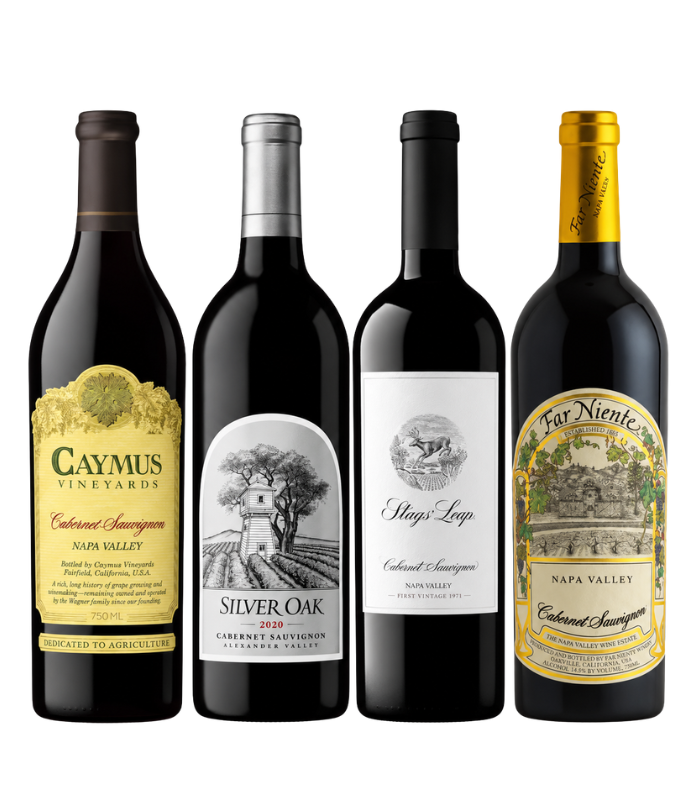
Esters are mostly in charge of creating the fresh fruit and floral scents, while tannins give that dry, mouth-puckering feeling, especially in reds like Stags’ Leap Napa Valley Cabernet Sauvignon, known for its firm yet smooth tannins that add structure and depth.

Lastly, acids add brightness and crispness to balance things out.

Winemakers use their knowledge of science to guide how these compounds develop during fermentation and aging. Some of these flavors come straight from the grapes themselves, while others form as yeast does its work. Even the place where the grapes grow, including the soil and climate, also has a say in how the final taste turns out.

Why Science Matters: From Vineyard to Glass

Winemaking is biology, chemistry, and human skill all rolled into one. It starts right in the vineyard, where decisions like when to prune or harvest the grapes affect the sugar, acid, and tannin levels. These are the building blocks of flavor.

Then, inside the winery, winemakers carefully guide fermentation. They balance yeast activity and temperature to release the wine’s aromas and tastes. Even the choices around aging and bottling, such as barrel type or time spent resting, can tweak the final sip.

So the next time you sip your favorite wine, you’re tasting a whole science experiment that’s been carefully managed to hit your taste buds just right.

Wrapping It Up

Wine is way more than just fermented grape juice. It’s an experience where science and skill come together to create flavors, aromas, and textures that make every sip exciting. Each step, starting in the vineyard and ending in your glass, influences what you taste, smell, and feel.

When you pour a glass, you’re engaging more than just your taste buds. Your nose picks up subtle aromas, your mouth notices texture and tannins, and your brain connects all of it with memories and emotions to make the moment truly yours. Every favorite bottle is a little dance between art and science.

Want to taste that kind of magic for yourself? Check out The Barrel Tap’s curated wine collection and find a bottle that’s ready to turn your next sip into a story worth savoring.

What Is Japanese Whiskey?

Walk into a good bar or a liquor shop that’s actually worth visiting, and you’re likely to see Japanese whiskey sitting there alongside the Scotch and Irish staples. These days, it’s hard to miss, and people can’t seem to stop talking about it.

Collectors are hunting down rare bottles, and even casual drinkers are curious about what makes it so different. So, what is Japanese whiskey exactly, and why has it grabbed so much attention?

History and Origins

The story of Japanese whiskey kicks off in the early 1900s. Shinjiro Torii opened the Yamazaki Distillery in 1923, and around the same time, Masataka Taketsuru came back from Scotland, bringing with him all the whiskey-making know-how he had picked up there. Between the two of them, they pretty much laid the groundwork for what we now call Japanese whiskey.

Scotland gave them the blueprint, but Japan quickly made it its own. Distillers started experimenting with local water, the changing seasons, and different kinds of wood for aging. Over the years, brands like Suntory and Nikka popped up and helped Japanese whiskey earn the reputation it has today.

What Makes Japanese Whiskey Unique

Japanese distillers are known for precision and detail. Japan’s hot summers and cold winters create conditions for faster interaction between spirit and cask. The use of Mizunara oak, a rare and porous Japanese wood, adds flavors of sandalwood, coconut, and spice that you won’t find elsewhere.

Another difference is blending philosophy. In Scotland, distilleries often trade whiskey stock with one another for blending. In Japan, most companies keep everything in-house. This pushes distillers to create a wide range of styles under one roof, so their blends can achieve balance without relying on outside sources.

Regulations and Labeling

For a long time, the rules around Japanese whiskey were pretty loose, which meant some bottles labeled as “Japanese whiskey” actually had spirits from outside Japan mixed in. All of that changed in 2021, when the Japan Spirits & Liqueurs Makers Association (JSLMA) laid down stricter standards.

Now, to call it Japanese whiskey, it has to be mashed, fermented, distilled, aged, and bottled in Japan. It also has to use malted grains and Japanese water, and it needs at least three years in wooden casks.

The goal is simple: to protect the authenticity of Japanese whiskey and make it clear that any bottle labeled as such was actually made in Japan and aged there, too. It’s the real deal, no shortcuts.

Types

Just like Scotch, Japanese whiskey comes in a few main types: single malt, blended, and grain. Each one has its own personality, and knowing the difference makes it easier to find a bottle that suits your taste.

Single Malt

These come from a single distillery, so you really taste the house style. Take Yamazaki Distiller’s Reserve, for example. It’s a soft, fruity, and gently spiced whiskey that’s easy to sip. Then there’s Kaiyo The Signature, aged in Mizunara oak, which brings in that incense-like note you don’t find anywhere else. Single malts are a solid pick if you like digging into nuance.

Blended

Blends are all about balance. Distillers take whiskies from different sources and mix them together until the flavors click.

Suntory World Whisky AO is a classic example. It pulls from multiple regions for a layered feel. Ryujin Japanese Whisky is another smooth one. It’s easy to sip neat, but just as good in a highball. Blends tend to be the friendliest entry point if you are just starting out.

Grain

Grain whiskies are usually made with corn or other grains instead of just malted barley. They tend to come out lighter and a bit sweeter, which makes them approachable and easy to drink. Nikka Coffey Grain is probably the best-known grain whisky out there, and it’s a good one to try if you want something smooth without too much weight.

Flavor Profiles

Flavor-wise, Japanese whiskies are often described as refined and balanced. Expect delicate fruit notes, gentle smoke, and soft florals. And if Mizunara oak is in play, you’ll likely get that signature incense-like spice.

Compared to the smoky punch of Islay Scotch or the heavy sweetness of bourbon, Japanese whisky usually sits somewhere in the middle.

Featured Whiskies From The Barrel Tap

At The Barrel Tap, you can find some of the bottles that define Japanese whiskey’s reputation.

  • Hibiki Japanese Harmony: A beautifully balanced blend with honey, orange peel, white peach, and a touch of herbs. It’s smooth, elegant, and a great way to ease into Japanese whisky.

  • Yamazaki 12 Year Single Malt: A classic single malt with soft orchard fruit, gentle spice, vanilla, and a whisper of incense from Mizunara oak. Layers unfold the longer you sip, showing off Yamazaki’s signature depth.

  • Nikka From The Barrel: Bold and full-bodied at 51.4% ABV, this blend packs caramel, warm spice, and dried fruit into a rich, concentrated style. It’s a go-to for drinkers who love intensity.

  • Suntory Toki: Light and versatile with green apple, grapefruit zest, and a touch of vanilla. Enjoy it neat, over ice, or in a crisp highball. It works beautifully either way.

  • Hakushu 12 Year Single Malt: Fresh and gently smoky, with mint, herbs, and bright citrus. It really does feel like a forest in a glass.

These are just a few bottles that show how varied Japanese whiskey can be. Some are made for easy sipping, and others are meant for when you want to slow down and really sit with a pour.

If you’re new to whiskey, blended whiskies like Suntory Toki or Hibiki Harmony are great starting points. They’re smooth, balanced, and easy to sip or mix. If you’ve been drinking whiskey a little longer, single malts like Yamazaki 12 Year or Hakushu 12 Year give you more layers to dig into.

And if you’re after something bolder, Nikka From The Barrel packs a higher proof with a flavor hit seasoned drinkers love.

A Final Sip

So, what is Japanese whiskey? It is whiskey made with patience and a serious eye for detail. You’ll find easygoing blends that are great for starting out and layered single malts that reward slow sipping.

Some bottles feel light and crisp, others carry smoke or spice, but they all share that same sense of craft. If you’re looking to give it a shot, The Barrel Tap has a solid lineup that lets you experience the full range of what Japanese whiskey has to offer.

A Guide to the Best Buzzballz Flavors

Ever wander down the ready-to-drink aisle and spot those quirky little balls shouting promises of flavor and fun? That’s BuzzBallz.

If you’re new to these colorful, ready-to-enjoy cocktail balls or just need help choosing, this guide covers the best BuzzBallz flavors and what makes them stand out. It also goes into how to pick the right one for your vibe.

Grab a cooler, pour one over ice, and let’s go.

What to Know Before You Sip

If you’re new to BuzzBallz, here are a few simple things that can help tell a good flavor from a not-so-great one:

  • Balance: The sweetness, fruit, and alcohol should all work together. If one is too strong, it throws the whole taste off.

  • Base spirit: Some are made with vodka, some with tequila. The base sets the tone for the whole drink.

  • Extra twist: Some flavors add a little surprise, like spice or extra tang. That’s part of the fun.

  • Easy to drink: Certain flavors are strong and best in small amounts, while others go down smooth from the first sip to the last.

With that in mind, here are seven flavors that stand out.

1. Chili Mango

The mango in this one does the smooth talking, while the chili brings the fire. The sweetness hits first, then the spice cuts in and lingers just enough to keep things interesting.

It is bold without being over the top. It’s the kind of drink that pairs perfectly with tacos, barbecue, or any night where you want your cocktail to have a little kick.

2. Pineapple Jalapeño

If you like your drinks with a little personality, this one delivers. The pineapple lays down that familiar tropical sweetness, then the jalapeño comes in with just enough kick to wake things up.

It’s a bold combo, but it stays balanced, giving you something that’s both refreshing and a little fiery. For anyone who enjoys flavor with a twist, Pineapple Jalapeño is worth grabbing.

3. Tequila ‘Rita

If margaritas are your thing but making one feels like too much work, Tequila ’Rita has you covered. Bright lime, a real tequila kick, and just the right touch of sweetness make it easy to enjoy.

It tastes like a bottled beach afternoon, complete with that salty-sour bite margaritas are known for. It’s one of the best BuzzBallz flavors for anyone who wants tang over sugary sweetness.

4. Espresso Martini

Need a little pick-me-up with your drink? This one nails that roasted coffee flavor right away, with just enough sweetness to keep things smooth.

Honestly, it’s way better than you’d expect from a can. It’s almost like grabbing an espresso martini at your favorite bar. Great for after dinner or when the night’s still young and you want to keep the energy flowing without sacrificing flavor.

5. Forbidden Apple

This one leans more toward candy than orchard, with a bold, sweet red-apple flavor that does not hold back. It’s not the most subtle pour, but it is playful and nostalgic, like something you probably snuck a taste of in college.

The sweetness comes first, then a little tang cuts through, so it is not completely one-note. It is fun, a little loud, and feels like it’s made for parties or nights when you want a drink that does not take itself too seriously. Forbidden Apple is an easy pick for those who enjoy fruity cocktails that double as dessert.

6. Lotta Colada

This one leans all-in on the coconut, so you’ll get that sweet, creamy vibe right out of the gate, with tropical pineapple adding a fresh brightness. It’s mellow and laid back, meaning it’s not the most complex flavor in the lineup. But when comfort in a can is what you want, this BuzzBallz delivers.

Lotta Colada works best when you are by the pool, sitting in the sun, or even just wishing you were somewhere warmer. And while it doesn’t surprise or push limits, it nails the whole “vacation in a can” thing. If you just want an easy, reliable flavor, this one gets the job done.

7. Cran Blaster

This one comes in tart and punchy, with cranberry leading the way from the first sip. If you’re into Vodka Cranberry or anything with that Cosmo-style edge, it feels familiar but still brings a little spark. It doesn’t try to hide behind sweetness, which makes it stand out.

Cran Blaster works as a refreshing option when you want something crisp, or as a sharper pick when you’re in the mood for a drink with bite. Some will find it bold, others will call it refreshing—that’s what gives it range. If tangy drinks are your thing, this one won’t disappoint.

Last Call

BuzzBallz are made for those fun moments when you just want a drink that hits. The best BuzzBallz flavors mix sweet, tangy, and bold, so there’s a ball for any mood. After a long day, at a weekend hangout, or just kicking back, these cans deliver flavor without any fuss.

Grab a few of your favorites from The Barrel Tap and keep them ready for whenever the vibe calls for it. Because the right drink at the right moment doesn’t just taste better—it makes the whole night feel right.

The Different Types of Wine Corks: A Guide for Wine Collectors

If you’re a wine lover, pulling out a cork is one of the most satisfying little rituals when it comes time to crack open a bottle. You can pop it, twist it, or even squeak it, depending on the stopper.

But here’s the thing: not all corks are the same.

If you’re starting to collect wine, or just want to sound like you know what you’re talking about at your next dinner party, it helps to get familiar with the different types of wine corks.

And don’t worry, we’ll keep it simple. Let’s go over the main ones you’ll come across, and how each one makes the experience of opening and enjoying wine a little different.

Natural Corks

Natural corks are made from the bark of the cork oak tree. These are the classics and are very common. Although they’ve been around for centuries, most collectors still love them.

One of the main reasons natural corks are the go-to choice for many people is that they let a tiny bit of air mingle with the wine inside. That little bit of oxygen helps bottles, like The Prisoner Cabernet Sauvignon 2018, age gracefully.

But natural corks aren’t perfect. Sometimes, they can cause TCA contamination or “cork taint.” When this happens, it can make your wine smell like a damp basement. That’s not something any wine lover wants in their glass.

Still, there’s something undeniably special about the ritual of cracking open a natural cork. And with a reliable lever corkscrew, that experience becomes smooth and effortless every time.

Synthetic Corks

Synthetic corks are made from various types of plastic materials, which means there’s zero risk of cork taint. And because they provide an airtight seal, these corks help keep the flavor and quality of the wine intact over time. Plus, synthetic corks are usually pretty easy to pop out.

But, as you probably already figured, the downside is that they don’t allow a wine to age in the same way as natural cork. And while they’re easy to open, sometimes synthetic corks can break when opening.

If you’ve ever had one of those corks crumble on you, you’ll appreciate having a good opener nearby. Synthetic or not, you don’t want to fight with the bottle before you even take a sip.

Agglomerated Corks

“Agglomerated” is a fancy word for cork bits pressed together. Basically, leftover cork pieces get squished with some glue, and voilà—you’ve got a cork. You’ll usually see these in wines meant to be enjoyed young, not kept for decades.

Since these wines are often all about fun and easy drinking, it’s the perfect excuse to bring out a set of beautiful wine glasses. The right glass really does make a difference, and The Barrel Tap has plenty that can make even an ordinary Tuesday night pour feel like a small celebration.

Glass Stoppers

Yes, some wines ditch cork altogether and go for glass stoppers (aka vino-lok). Besides being eco-friendly and reusable, these modern alternatives to corks typically seal wine bottles really tightly. Plus, they look sleek doing it.

Glass stoppers aren’t super common, though. They’re hard to come by; kind of like rare alcoholic beverages, but they add a bit of style to the experience.

Pair a bottle like this with a decanter or some elegant stemware, and suddenly you’ve turned a simple pour into a mini show. It makes enjoying the wine a bit more fun.

Screw Caps

Granted, screw caps aren’t really corks, but they essentially do the same job as traditional corks. These closures are especially popular for wines from Australia or New Zealand. Case in point: Francis Coppola Diamond Collection Pinot Noir.

In addition to being consistent, they don’t spoil the wine, and you don’t even need a corkscrew to open them.

Some people still turn their nose up at screw caps, but honestly, a good wine is a good wine. Grab the right glasses, maybe a decanter to let it breathe, and you’re set.

Before You Pop the Next One

So now you know the different types of wine corks. The next time someone pulls out a bottle, you can nod, smile, and maybe drop a little cork knowledge before taking that first sip. And if you’re looking to stock up on bottles worth opening, The Barrel Tap has plenty of options ready to go.

How to Drink Gin

Gin is regarded as one of the most versatile spirits in the world. Known for its refreshing botanicals and crisp juniper-forward profile, it has been a cornerstone of cocktail culture for centuries. 

However, if you are new to gin or simply want to elevate your drinking experience, you might be wondering, “What’s the best way to drink gin?” Should it be enjoyed neat, over ice, or mixed into cocktails? Perhaps, the most important question might be: Do you know how to drink gin?

This guide will walk you through everything you need to know about drinking gin: from tasting it neat, pairing it with mixers, and crafting cocktails to exploring different styles of gin.  

What Exactly Is Gin?

Gin is a distilled spirit whose dominant flavor must come from juniper berries. Beyond that, distillers can incorporate a wide range of botanicals such as herbs, spices, flowers, and citrus peels to give each bottle its own unique character.

There are several styles of gin, but the most common ones include:

  • London Dry Gin: Crisp, dry, and heavily juniper-forward. This is typically the go-to base for classic cocktails.

  • Old Tom Gin: This is a sweeter, softer style of gin, which was popular in 18th-century England, that is now making a comeback.

  • Plymouth Gin: This gin is earthy, slightly fruity, and distinctively smooth.

  • Contemporary or New Western Gin: These are modern-style gins that emphasize botanicals beyond juniper, often with floral or citrus-forward notes.

When exploring gin, it is worth experimenting with different bottles. You can browse premium options like Monkey 47 Schwarzwald Dry Gin or the refreshing Hendrick’s Gin on The Barrel Tap.

Drinking Gin Neat

For purists, one of the best ways to understand a gin’s complexity is to drink it neat. Pouring a small measure into a tulip-shaped glass allows you to appreciate its botanical aromas and layered flavors.

Here is how to do it:

  1. Pour lightly: A half-ounce to an ounce is usually enough.

  2. Swirl gently: This releases the aromas without overwhelming the nose.

  3. Sip slowly: Now, let the gin rest on your palate before swallowing to fully absorb its complexity.

High-quality gins, such as The Botanist Islay Dry Gin, shine when enjoyed neat. Its 22 hand-foraged botanicals create a depth that doesn’t need mixers to impress.

Gin on the Rocks

If drinking neat feels too intense, that’s fine, try serving gin over ice instead. The dilution softens the juniper and botanical intensity while still letting the flavors shine. Large ice cubes work best since they melt slowly and don’t water down the drink too quickly.

This method works beautifully with stronger gins like Tanqueray No. Ten Gin, which carries bold citrus and floral notes that open up nicely when slightly chilled.

The Classic Gin and Tonic

Few drinks are as iconic as the gin and tonic. Crisp, refreshing, and endlessly adaptable, this simple mix has been enjoyed by many enthusiastic gin lovers for over a century.

To make the perfect gin and tonic, here is what you need to do:

  • Use a highball glass filled with ice

  • Pour in 1.5 to 2 ounces of gin

  • Top with premium tonic water

  • Garnish with a lime wedge. Or you can get creative with cucumber, rosemary, or grapefruit

A bottle like Hendrick’s Gin, with its signature infusion of cucumber and rose, makes an outstanding G&T when paired with tonic and a cucumber garnish.

Gin in Cocktails

Gin truly shines in cocktails. Its botanical structure makes it incredibly versatile, pairing well with citrus, herbs, fruits, and bitters. Some timeless gin cocktails include:

  • Martini: A sophisticated mix of gin and dry vermouth, garnished with an olive or lemon twist.

  • Negroni: This is made with equal parts gin, Campari, and sweet vermouth. A cocktail whose signature is a bitter, complex, and bold taste wrapped into an endearing flavor.

  • Tom Collins: Gin, lemon juice, simple syrup, and soda water; this is a mix that makes for a refreshing highball.

  • French 75: Gin, lemon juice, sugar, and Champagne. A combination that’s perfect for celebrations.

Cocktail enthusiasts often enjoy experimenting with gins like Monkey 47, whose bold botanicals stand up beautifully in layered cocktails.

Exploring Different Gin Styles

One of the joys of drinking gin is exploring its variety. A London Dry gin will taste vastly different from a contemporary floral gin, and sipping them side by side highlights their unique personalities.

If you are looking to build a small gin collection, consider starting with:

Final Thoughts: How to Drink Gin

There is no single “right” way to drink gin. In the end, it is all about personal preference. Some prefer it neat to savor its botanicals, while others enjoy it mixed into refreshing cocktails or a simple gin and tonic. The key is to start with a high-quality bottle and explore the different serving methods until you find what resonates with your palate.

Whether you are sipping The Botanist neat or mixing up a martini with Tanqueray No. Ten, or pouring a cucumber-forward Hendrick’s G&T, gin offers a world of possibilities waiting to be discovered.

Brandy & Cognac Guide

Brandy and Cognac have long carried an image of refinement, much like how leather chairs, slow evenings, and polished glasses do. However, behind the reputation is a world of approachable, versatile spirits that range from easygoing fruit-forward pours to complex, barrel-aged sippers. This Brandy & Cognac guide keeps things practical, explaining what sets them apart, how to decode their labels, and how best to enjoy them.

What Exactly Is Brandy?

At its simplest, brandy is distilled wine. Grapes are the most common base, but brandy can also be made from apples, pears, plums, cherries, or other fruits. The result is a spirit that reflects its raw material. For instance, grape brandy tends to be smooth and rounded, while apple brandy (like Calvados) can show orchard freshness and spice.

Brandy production is mostly global, as countries like Spain, France, the U.S., South Africa, and many other countries all make their own versions. Aging in oak is common, lending notes of vanilla, caramel, dried fruit, and spice.

What Makes Cognac Different?

Cognac is a specific type of brandy, but not all brandy is Cognac. To qualify as Cognac, a spirit must meet strict French regulations:

  • Produced in the Cognac region of France.

  • Made primarily from Ugni Blanc grapes.

  • Distilled twice in copper pot stills.

  • Aged for at least two years in French oak barrels.

This legal protection ensures quality and distinct style, ensuring it stays delicate, layered, and elegant, which often helps it keep notes of dried fruit, citrus peel, vanilla, and oak. Cognac is brandy elevated into a precise tradition with a cult-like following.

Decoding Aging Terms

One of the keys to enjoying brandy and Cognac is understanding aging classifications. These appear on labels and give you a good idea of flavor and depth.

  • VS (Very Special): This Cognac is aged for at least 2 years, and it is usually fresh, fruity, lighter in style, and great for cocktails.

  • VSOP (Very Superior Old Pale): VSOP Cognac is aged for at least 4 years. It is balanced, with oak influence showing touches of vanilla, spice, and dried fruit. This usually works as neat or mixed.

  • XO (Extra Old): Aged for at least 10 years (recently updated from 6). It is deep, rich, and complex, designed for sipping neat.

  • Napoleon / Hors d’Age: Napoleon or Hors d’Age is a term used for premium releases, often aged far longer than XO. Expect luxury levels of smoothness and detail.

Outside Cognac, brandy producers may use different age statements or simply indicate “anejo” (aged). You should always check the producer’s details.  

Styles of Brandy Beyond Cognac

While Cognac dominates the conversation, brandy is wonderfully diverse:

  • Armagnac (France): This brandy is made in Gascony, distilled once (rather than twice), and it is often bolder, rustic, with prune, spice, and nutty notes.

  • Spanish Brandy (Brandy de Jerez): Solera-aged in sherry casks, giving it a taste of sweetness, raisin, and nutty depth.

  • American Brandy: This is a growing category of brandy, especially in California, and it is often fruit-forward and approachable.

  • Apple Brandy / Calvados (France):

  • Other Fruit Brandies (eau-de-vie, schnapps, rakia):

How to Drink Brandy and Cognac

There is no single rule for drinking brandy and Cognac, as different styles shine in different settings.

  • Neat: This is the classic approach. Simply use a tulip or small snifter to concentrate aromas. This is ideal for Cognac VSOP, XO, or aged Armagnac.

  • On the Rocks: A single cube can open up younger brandies and mellow the heat.

  • With a Splash of Water: This works like whiskey, as water can release subtle aromatics.

  • Cocktails: VS or younger brandies are excellent for mixing. Classics include the Sidecar, Brandy Alexander, or a Brandy Old Fashioned.

  • With Coffee: A small pour of Cognac or brandy in black coffee is a time-honored pairing.

Tasting Tips

If you want to appreciate Cognac or brandy more deeply, here is how to do it:

  1. Pour into a tulip-shaped glass (not an oversized balloon glass).

  2. Let it rest for a minute to open up.

  3. Inhale gently – what you are looking for is the scent of fruit, vanilla, nuts, and oak.

  4. Take small sips, let it coat the palate, then breathe out slowly through your nose to capture the finish.

Patience is rewarded when Brandy and Cognac are involved. The complexity builds with time in the glass.

Building Your Brandy and Cognac Bar

For a balanced starting lineup, aim for variety:

  • A VS Cognac (cocktail-friendly)

  • A VSOP Cognac (balanced and versatile)

  • An XO Cognac (for special occasions, sipping neat)

  • One non-Cognac brandy (like Spanish Brandy de Jerez or Calvados) to showcase different traditions

If you want to start browsing, The Barrel Tap has an extensive Cognac Collection and Brandy Collection, all ranging from accessible entry-level bottles to luxury XO releases.

Final Thoughts

Brandy and Cognac carry centuries of tradition, but they are not limited to formal settings. Whether you are mixing a Sidecar, sipping XO after dinner, or pairing Calvados with pork, these spirits reward curiosity. The trick is knowing the categories, trusting your taste, and trying bottles across styles and regions.

That’s the essence of this Brandy & Cognac guide: learn the rules, but don’t be afraid to break them. Brandy and Cognac are versatile, welcoming, and timeless, just waiting for the right glass.

Ready to pick a brandy or Cognac for your next sipping adventure? Check out The Barrel Tap’s distilled wine collection today!