
What Is Grappa? Italy’s Boldest Spirit Explained

Grappa is one of those spirits with a bit of a reputation. Maybe you’ve seen it poured after dinner or heard someone describe it as strong, even a little intense. There’s a reason for that. But there’s also a lot more going on in the glass than most people expect.

Let’s get into how it’s made, what it actually tastes like, and why this Italian spirit has stuck around for so long.

What Is Grappa, Exactly?

Grappa is a distilled spirit made from grape pomace, which is the leftover skins, seeds, and stems from winemaking. Instead of letting those leftovers go to waste, Italian distillers figured out how to turn them into something entirely new, stronger, and with a bit more edge.

It makes more sense when you put grappa next to something familiar, like brandy. Brandy is distilled from finished wine. On the other hand, grappa starts with what’s left behind after the wine is made.

Grappa is more direct and raw, pulling flavor from the parts of the grape that don’t usually get center stage. That’s why it tends to feel sharper, more aromatic, and sometimes even a little wild on the first sip. But that intensity is also where the charm is.

How Grappa Is Made (And Why It Hits Differently)

Making grappa comes down to timing and care. The pomace has to be fresh, often distilled soon after the grapes are pressed. From there, it goes into stills, where the alcohol is drawn out and refined.

Good producers don’t rush the process. They handle the raw material carefully because once those delicate aromas are gone, you don’t get them back. This is where Italian grappa really earns its reputation. It’s not just strong; it carries the character of what most people would normally throw away.

What Does Grappa Taste Like?

If you go in expecting something smooth and easy, like a light whiskey, grappa might surprise you. The first sip can feel intense, warm, a little fiery and very aromatic. But give it a second, and it tends to open up as you drink it.

You’ll start to notice layers, like herbal notes, floral hints, dried fruit, and sometimes even a soft sweetness depending on the style.

A bottle like Nonino Grappa Vendemmia is a great example of that softer introduction. It doesn’t hit all at once. It eases you in, letting those lighter, fruit-driven notes come through before the warmth settles.

Then you’ve got something like Nonino Grappa Il Moscato Monovitigno, which leans more aromatic. The profile is floral, slightly perfumed, and almost delicate on the nose. It’s the kind of grappa that changes how you think about the category entirely.

In a nutshell, grappa’s taste depends on the style, but it’s always expressive.

The Types of Grappa You’ll Come Across

Once you get past the first sip, you start noticing there’s more variety here than you might expect, and that’s where grappa becomes a lot more interesting.

If you really want to understand it, it helps to look at a producer who’s been doing this at a high level for decades. Nonino is one of those names, widely respected, deeply rooted in tradition, and a big reason grappa has the reputation it does today.

From there, the differences start to make sense depending on how it’s made and how long it’s been left to rest.

Young (Giovane) Grappa

This is the most direct expression. It’s clear, vibrant, and upfront, with fresh grape and herbal notes that come through immediately. There’s very little time to soften it, so what you taste is essentially the raw character of the distillate.

Aged Grappa (Affinata or Riserva)

This is where things start to open up. Time in wood rounds out the sharper edges and adds depth, giving the spirit a warmer, more layered feel.

Take Nonino Grappa Riserva AnticaCuvée, for example. It still carries that unmistakable grappa character, but aging brings in dried fruit notes, a touch of spice, and a smoother finish that lingers a bit longer than you expect.

Monovitigno (Single-Grape) Grappa

This is where it starts to feel a little closer to wine in spirit. Instead of blending different pomaces, it’s made from a single grape variety, which lets the character of that grape show up much more clearly in the glass.

Nonino Grappa Il Merlot Monovitigno leans more structured and grounded, while the Moscato version feels brighter and more aromatic. Same process, different personality.

How to Drink Grappa Without Wincing

By now, grappa probably feels a little less mysterious. You’ve seen how it’s made and how it can shift from sharp and direct to something softer and more aromatic depending on the style. The next question is usually: how are you actually meant to drink it?

There’s a myth that grappa is something you just throw back in one go, but that misses the point. In Italy, it’s more of a slow moment than a quick shot.

Most people drink it neat after a meal when things have slowed down. Not ice cold, just slightly chilled so the edges soften and the aromas open up. It’s often served in a small glass that concentrates the aroma, because smell plays a big role here.

The key is to sip it slowly. It changes a bit as it sits in the glass, so giving it time to open up makes a real difference.

The Bottle You Didn’t Know You Needed

So, back to the question: what is grappa? It’s a spirit that doesn’t try to please everyone right away, but give it a little time, and it starts to make a lot of sense.

If you’re ready to explore beyond just one bottle, you can browse the full spirits collection at The Barrel Tap.

Which Wines Have the Least Calories? A Simple Guide

If you enjoy wine but are also paying attention to what you eat and drink, you have probably wondered at some point whether your glass of Cabernet is doing you any favors on the calorie front. 

The honest answer is that wine does contain calories, but the range across different types is wider than most people realize. Choosing the right style can make a genuine difference without requiring you to give anything up.

Here is a look at which wines have the fewest calories, why that is, and what to actually look for when you want a lowest-calorie wine option that still tastes good.

Why Calorie Counts Vary Between Wines

Two things determine how many calories are in a glass of wine: alcohol content and residual sugar. Alcohol contributes about 7 calories per gram, which is almost twice as much as carbohydrates or protein, so a wine with a higher ABV (alcohol by volume) will almost always have more calories than a lighter one, even if they taste similar. Residual sugar is the other factor, as wines that are sweeter have more sugar left over after fermentation, and that sugar adds to the calorie count.

The practical takeaway is that dry wines with lower alcohol tend to have the fewest calories. Sweet wines and high-alcohol reds tend to have the most. A standard 5-ounce glass of dry white wine runs roughly 100 to 125 calories. A full-bodied red at 14 to 15% ABV can push 150 to 165 calories for the same pour. Dessert wines can go significantly higher.

White Wines: The Lightest Options

Dry white wines are generally the lowest-calorie wine category available, and two varieties sit at the top of that list: Pinot Grigio and Sauvignon Blanc. A 5-ounce glass of either typically comes in between 100 and 120 calories, and that is because both are naturally low in residual sugar and are usually bottled at a moderate 11 to 13% ABV.

Check out our Pinot Grigio collection and full wine collection for a range of bottles across various price points.

Sparkling Wines: Surprisingly Low

This one surprises people; it surprised me, too, at first. Brut sparkling wines, including Brut Champagne and Brut Prosecco, are actually among the lowest-calorie wine options available, typically running 110 to 130 calories per 5-ounce glass. The reason is that Brut designates a dry sparkling wine, meaning very little sugar has been added after the second fermentation. Less sugar means fewer calories.

Explore our sparkling wine and Champagne options for a range of Brut-style bottles that deliver the celebration without a lot of extra calories.

Rosé: The Middle Ground

Dry rosé wines sit comfortably in the middle of the calorie range, usually around 110 to 130 calories per 5-ounce glass. The keyword there is dry. A pale Provence-style rosé made from Grenache and other southern French varieties is going to be significantly lighter than a sweet blush wine marketed toward dessert drinkers, even though they are both technically rosé.

If you want a lower-calorie rosé, look for the drier, more pale styles that lean toward berry and citrus flavors rather than sweet, fruity ones. Our rosé collection has options that fit that profile well.

Red Wines: Lighter Varieties Exist

Red wine is generally higher in calories than white or sparkling because of its typically higher alcohol content and the way full-bodied reds are made. A rich Cabernet Sauvignon or Malbec at 14 to 15% ABV can easily reach 150 to 165 calories per glass. But not all reds are built the same way.

Pinot Noir is the standout lower-calorie option in the red wine category. Because of the grape’s naturally thin skin and the cooler climates it grows best in, Pinot Noir tends to come in at lower alcohol levels (often 12 to 13.5% ABV) and produces lighter-bodied wines with fewer calories than bigger reds. A glass of good Pinot Noir often runs 110 to 130 calories, which is comparable to a dry white wine.

Meiomi California Pinot Noir and Erath Pinot Noir Oregon are both approachable, well-made bottles that represent the style well and sit at a moderate ABV.

What to Look for on the Label

The simplest way to identify a lower-calorie wine is to check the ABV on the bottle. Anything under 12.5% ABV is going to be on the lighter end. Anything over 14% ABV is going to be higher. 

Beyond that, “dry” on a label signals less residual sugar, which keeps the calorie count lower. “Off-dry” or “semi-sweet” means more sugar and more calories, even if the wine does not taste overtly sweet.

Browse our full wine collection to explore options across every style, from light whites to elegant reds, with delivery right to your door.

The Ultimate Beginner’s Guide to Italian Wines

There is a certain moment with Italian wines that tends to catch you off guard. One sip in and it feels both familiar and completely new at the same time. The fruit, the structure, the way it naturally leans into food instead of standing apart from it all starts to make sense before the label even does.

Then you take a closer look at the bottle, and things suddenly feel more complicated. Names that look like places, words that feel like codes, and regions sitting on top of grapes and classifications all at once. That’s usually where curiosity starts to tip into confusion.

This Italian wine guide for beginners is created to help those new to Italian wines make sense of what they are seeing in the glass and on the label, without feeling overwhelmed by the details.

Why Italian Wine Feels Complicated at First

Italian wine doesn’t really follow a single, simple system. Instead, it follows geography, tradition, and a long history of how each region has always made wine. That’s part of what makes it so interesting, but it’s also why it can feel a little overwhelming when you’re just getting started.

One of the first things that can feel a little unfamiliar at first is how the name on the bottle often isn’t the grape itself. In many countries, you might see the grape front and center, like Cabernet Sauvignon or Merlot. In Italy, it often starts with the place instead.

Instead of seeing something like Sangiovese written clearly on the label, you might see Chianti Classico. Chianti is a region in Tuscany, and Sangiovese is the main grape behind it.

The same thing happens with Barolo, which is made from a grape called Nebbiolo. Barolo is the name of the town and the surrounding area in Piedmont where that style of wine comes from.

The grape is still there; it’s just not always the first thing you see. The place takes the lead, and the grape plays its role behind it.

Once that simple idea clicks, Italian labels start to feel less random. They’re not trying to confuse you; they’re telling you where the wine comes from first, and what it’s made from second. That change in perspective is usually the first real step in understanding Italian wines in a way that feels natural.

How to Read Italian Wine Labels Without Overthinking

When you start looking at Italian wine labels, you’ll notice a few terms that seem a bit technical at first. They’re actually there to tell you how the wine is made and how closely it sticks to tradition.

DOCG

This is the highest classification. It signals strict rules, controlled production, and deep regional heritage. Wines like Barolo and Chianti Classico often fall into this category. Think of it as Italy’s way of protecting its most iconic styles.

DOC

A step below DOCG, but still firmly rooted in tradition. These wines follow regional guidelines but with a bit more flexibility. Many everyday quality wines sit here.

IGT

This is where winemakers get more freedom. Grape varieties can be mixed, styles can vary, and experimentation is allowed. It often leads to modern, approachable wines that still carry Italian identity.

Then there are a few extra words that appear on bottles:

  • Classico: Usually means the wine comes from the historic heart of a region

  • Riserva: Means extra aging, often giving more depth and structure

  • Superiore: Usually signals stricter rules or slightly higher alcohol and intensity

Once these pieces click, following an Italian wine guide for beginners starts to feel a lot less intimidating and more like a map that actually helps with direction.

Italian Wines Every Beginner Should Know

Now that the labels start to make a bit more sense, it helps to see how that plays out in real bottles. This is where everything from the earlier explanation starts to connect in a more practical way.

The names, the regions, and the classifications all stop feeling abstract once you actually see them in context. The labels begin to tell you what kind of experience is inside the bottle before you even open it.

1. Pinot Grigio

White wines in Italy often follow the same principle: clarity over complexity. Ruffino Lumina Pinot Grigio is a good example of that approach. It is light, crisp, and built around clean citrus and green apple notes.

It doesn’t try to overpower the palate, which makes it one of the easiest starting points if you are still getting comfortable with Italian wines. It’s also one of those bottles people keep reaching for because it just works.

2. Prosecco

Sparkling wine in Italy isn’t always reserved for big celebrations or formal moments. Sometimes it shows up in the middle of an ordinary evening, poured without ceremony. La Marca Prosecco is a good reminder of that.

Light bubbles, soft fruit notes, and a clean finish that keeps things easygoing. It is approachable without losing its character, which is why it often becomes the first sparkling wine people return to.

Among all types of Italian wine, Prosecco is usually the most straightforward introduction. It doesn’t need interpretation, just a glass and the right moment.

3. Everyday Italian Red

Not every bottle needs to feel like a deep exploration. Santa Marina Toscana Italian Red Wine sits on the easier side of things. Soft red fruit, smooth texture, and a relaxed finish that doesn’t ask for too much attention.

This is the kind of wine that fits into everyday moments. It doesn’t require context or explanation, which makes it useful when you just want something familiar and easy to enjoy.

4. Tuscan Reds

If there’s one region that consistently shows how layered Italian wine can be, it’s Tuscany. A bottle like Antinori Tignanello Toscana IGT Red Wine is a good example of how modern Italian winemaking still respects tradition.

It sits in the IGT category, which simply means there’s more freedom in how it’s made. In this case, that freedom allows Sangiovese to be blended with Cabernet, creating something richer and more structured than a classic Chianti.

What you get in the glass is layered but still familiar. Cherry, spice, a bit of depth without losing that Italian sense of balance. It’s a good entry point into more expressive Tuscan reds without jumping too far ahead.

5. Brunello di Montalcino

If you’re starting to explore Italian wines beyond the basics, Brunello is usually one of the next steps people move toward.

Costanti Brunello di Montalcino is made entirely from Sangiovese, but it’s treated with a level of patience that changes everything. Long aging brings out dried cherry, leather, herbs, and a more structured, slow-building character.

This isn’t a casual pour, and it doesn’t try to be. It opens gradually, and the more time it gets in the glass, the more it reveals. It’s a clear example of how time and tradition shape Italian wine in a very deliberate way.

How to Choose Your First Italian Wine Without Guessing

Choosing Italian wine becomes easier when it stops feeling like a test and starts feeling like a simple set of directions. A good way to approach it is to match the style to what you naturally enjoy:

  • If lighter, fresher wines feel better, start with Ruffino Lumina Pinot Grigio or La Marca Prosecco.

  • If you prefer soft red fruit and something easygoing, Santa Marina Toscana Red Wine is a strong starting point.

  • If you’re curious about something a little more structured and layered, Antinori Tignanello Toscana IGT is a natural step up.

  • If deeper, more traditional reds appeal to you, Costanti Brunello di Montalcino opens that door.

From there, it’s less about getting it right and more about noticing what you naturally gravitate toward. That’s usually when things start to make more sense, and the idea of Italian wines explained in real-world terms becomes less about theory and more about recognizing and connecting labels, regions, and taste without having to overthink it.

Where Your First Sip of Italy Actually Leads

Italian wine doesn’t really reveal itself in one glass. It unfolds slowly, with one region leading into another and one grape opening the door to something completely different. What usually begins as confusion tends to turn into familiarity over time, then curiosity, and eventually preference as certain styles start to stand out more than others.

At some point, labels that once felt complicated start to feel familiar, almost like names you recognize in passing conversation. That’s the change that happens with Italian wine. It stops being something you’re trying to decode and starts becoming something you naturally enjoy.

If you’re ready to explore a little further, The Barrel Tap wine collection brings together a range of Italian wines that make that next step feel a bit easier.

Explore the wine collection here and see where your next bottle takes you. Because the real beginning isn’t understanding everything at once; it’s finding that first bottle that makes everything else start to make a little more sense.

Red Wine Guide: Popular Types You Should Know

Red wine is one of those things that seems complicated until you actually start paying attention to it, and then it gets a lot more interesting. There are dozens of grape varieties, hundreds of regions, and a thousand opinions about what makes a good bottle, but in practice, most of what people drink and enjoy comes down to a handful of types. 

If you know those, you can navigate a wine list or a wine shop without feeling lost, and more importantly, you can figure out what you actually like (or decide that you like them all). This guide covers the most popular types of red wine worth knowing, what they taste like, and where to start if you want to try them.

Cabernet Sauvignon

Cabernet Sauvignon is the most widely planted red wine grape in the world, and there is a good reason it has stayed that way. The grape is naturally high in tannins, which gives it structure, and it tends to produce full-bodied wines with deep, dark fruit flavors such as blackcurrant, black cherry, and plum. It is often layered with cedar, tobacco, and a bit of green pepper, depending on where it was grown.

It also ages exceptionally well, which is part of the reason it earned its reputation in Bordeaux and later in Napa Valley. The California versions tend to be richer and fruit-forward compared to the more restrained, earthy style you get from France. Either way, it is a reliable choice with red meat, lamb, and aged cheeses.

Pinot Noir

Pinot Noir sits at the opposite end of the spectrum from Cabernet Sauvignon in terms of body and tannin, and that contrast is exactly what makes it interesting. It is lighter, more delicate, and much harder to grow well, which is why the best examples tend to cost more. 

The flavors lean toward red fruits such as cherry, raspberry, and strawberry, typically exhibiting earthy undertones of mushroom, forest floor, and sometimes a distinct silky quality that is genuinely difficult to describe until you have tasted a good one.

Burgundy in France is the traditional home of Pinot Noir, but Oregon’s Willamette Valley has established itself as the most exciting New World source, with cooler climate conditions that produce wines with real finesse. 

California’s coastal regions (Sonoma, Santa Barbara) also produce excellent bottles, often with a bit more fruit weight than Oregon, but still with the elegance the grape is known for.

  • For an approachable and consistent California expression, Meiomi California Pinot Noir is a well-made, fruit-forward bottle that works for both casual drinking and food pairing.

  • Erath Pinot Noir, Oregon, is a reliable Oregon option that shows the cooler climate character the region does well, with brighter acidity and more restrained fruit than the California style.

In the end, you should simply take this as a hint to try out a bottle of Pinot Noir, at least once.

Merlot

Merlot had a rough decade after a certain 2004 film made it the butt of every wine joke in America (you know the one, and if you don’t, then you are welcome to do a little Google search). It has been quietly rehabilitating its reputation ever since, and rightly so, because a well-made Merlot is one of the more pleasurable red wines you can drink. 

It is medium to full-bodied, generally softer in tannins than Cabernet Sauvignon, and built around plum, black cherry, chocolate, and mocha flavors that make it genuinely easy to enjoy without a lot of ceremony.

Merlot is also one of the most food-friendly red varieties available, as it pairs well with roasted meats, pasta dishes, pizza, mushroom-based recipes, and soft cheeses in a way that more tannic reds sometimes struggle to do. 

It is also the dominant grape in some of the most expensive wines in the world, including Petrus from Bordeaux’s Pomerol region, so the reputation problem is really just a perception issue rather than a quality one.

Ferrari-Carano Sonoma County Merlot is a well-made California example that demonstrates the grape’s strengths well: silky texture, ripe red fruit, and enough structure to hold up with food without getting in the way of it.

Browse our Merlot collection for more options across price points.

Malbec

Malbec originated in France, where it was used primarily as a blending grape in Bordeaux and had a difficult time producing consistent results in the region’s climate. Then it was planted in Argentina’s Mendoza province in the mid-1800s, and something unexpected happened: the grape thrived. High altitude, intense sun, dry conditions, and well-drained soils gave it everything it needed, and Argentine Malbec became one of the great success stories in modern wine.

Argentine Malbec is typically rich and deeply colored, with flavors of dark plum, blackberry, and cocoa, and a velvety texture that makes it one of the most approachable full-bodied reds for people who are just getting into wine. It also pairs exceptionally well with red meat, which is fortunate given Argentina’s reputation for beef. 

The French Malbec style, particularly from Cahors in Southwest France, is quite different – it’s darker, more tannic, and more rustic, sometimes called the “black wine” of the region.

Red Schooner Malbec is worth trying if you want to explore what a California-influenced take on Malbec can do, offering a smooth, fruit-forward expression of the variety.

Our full red wine collection also includes additional Malbec options from South America and beyond.

Red Blends

Red blends deserve their own category because they represent some of the most interesting and widely enjoyed wines on the market right now. 

A red blend is simply a wine made from two or more grape varieties, and the range of what that can mean is enormous: a Bordeaux-style blend of Cabernet Sauvignon, Merlot, and Cabernet Franc; a Rhone-style blend of Syrah, Grenache, and Mourvedre; or a winemaker’s proprietary blend with no regional precedent at all.

The appeal of a well-crafted red blend is that you get the best attributes of multiple varieties working together, resulting in a wine with complexity, balance, and a character that no single grape could produce on its own.

  • The Prisoner Red Blend is one of the most recognized names in the American red blend category, consistently delivering a rich, layered, and crowd-pleasing bottle.

  • The Leviathan California Red Wine Blend, a Cabernet Sauvignon-led blend with Syrah, Merlot, and Cabernet Franc, is another excellent example of what California red blending can achieve when done thoughtfully.

Browse our full red wine collection for bottles across every type, style, and price point, with delivery right to your door.

Pinot Grigio (Pinot Gris) Wine Guide

Here is something that confuses a lot of wine drinkers: Pinot Grigio and Pinot Gris are made from the same grape. Not a similar grape, not a cousin variety, the actual same one. The difference comes down entirely to where it is grown and how it is made, and those two things alone are enough to produce wines so different in personality that most people would never guess they started in the same place. 

The grape is a mutation of Pinot Noir, with grayish-pink skin that gives it the “grigio” (Italian for gray) name. The two traditions that most people know through, Italian and Alsatian, are really just two very different answers to the same question: what do you do with this grape?

Italian Pinot Grigio: Crisp, Light, and Refreshing

When most casual wine drinkers picture Pinot Grigio, they are picturing the Italian version, and specifically the style that comes from northeastern regions like Friuli-Venezia Giulia, Alto Adige, and Trentino. It is light-bodied, high in acidity, and built around flavors of green apple, citrus peel, and white peach. It is the wine that shows up at restaurants as the reliable white option, and it earns that reputation honestly.

Ruffino Lumina and Santa Marina Pinot Grigio are both good examples of this style done well: clean, approachable, and easy to pair with food without overthinking it. For most people, this is also how they first learn what Pinot Grigio is, and that is a perfectly fine place to start.

Inexpensive Italian Pinot Grigio is built for immediate drinking, and that is a feature rather than a limitation. Seafood, light pasta, summer salads, it works with all of it without getting in the way. The more interesting territory is in the serious single-vineyard expressions from Friuli or Alto Adige, which tend to go fuller-bodied and develop a slight copper tint from extended skin contact. Those are wines that change the conversation a bit.

Santa Margherita Italian Pinot Grigio from Alto Adige is the bottle that introduced most Americans to the category back in the 1970s, and it still holds up today as one of the cleaner, more structured examples available. It is essentially the benchmark that most people end up measuring everything else against, even when they do not realize they are doing it.

Alsatian Pinot Gris: Rich, Textured, and Complex

Cross into Alsace in northeastern France, and the same grape starts behaving like a completely different wine, which is part of what makes this category so interesting. Alsatian Pinot Gris is full-bodied and almost waxy in texture, built around flavors of ripe pear, honey, ginger, white flowers, and a smoky mineral quality that you simply will not find in the Italian version. It is the kind of wine that genuinely surprises people who think they already know what Pinot Grigio is, because it tastes like it has almost nothing in common with it.

It can range from dry to noticeably off-dry or even sweet, particularly in the Vendange Tardive (late harvest) or Selection de Grains Nobles styles. The off-dry versions are especially interesting at the table because they pair well with spiced dishes, roasted pork, Alsatian cuisine like choucroute and tarte flambe, Thai food, or really anything where you want the wine to ease the heat or richness on the plate rather than fight it.

When you hit a food pairing that seems like an odd choice on paper but makes total sense once you are actually eating, Alsatian Pinot Gris is often the one responsible for that.

New World Pinot Gris: Oregon, California, and Beyond

California has produced some solid everyday expressions of the style, and a few of them are genuinely worth keeping in rotation. Ferrari-Carano Pinot Grigio from Sonoma carries more texture and stone fruit weight than a typical Italian bottle, while staying crisp enough for food. 

Accessible options like those linked below are clean, easy-drinking, and dependably consistent:

Josh Cellars Pinot Grigio is fruit-forward and crowd-pleasing, making it a solid dinner-table bottle that rarely disappoints.

Oregon’s Willamette Valley is worth a separate mention because it produces Pinot Gris that falls somewhere between the Italian and Alsatian styles, which is an interesting place to be. It has more body and fruit weight than the Italian version, but brighter acidity than you would find in a classic Alsatian expression, with stone fruit, citrus zest, and a gentle spice note running through it.

Germany’s Grauburgunder is another underexplored option for people who want something a little outside the mainstream, ranging from dry and mineral to off-dry and fruity depending on the producer.

How to Taste and Serve Pinot Grigio

Serve Italian Pinot Grigio cold, around 45–50°F (7–10°C), to emphasize its crispness. Alsatian Pinot Gris benefits from a slightly warmer pour, around 50–55°F (10–13°C), which lets its richer aromatics open up fully. 

A standard white wine glass works for both styles; a slightly wider bowl rather than a narrow flute helps with aroma expression, particularly for the fuller Alsatian versions.

Food Pairing

Light Italian styles like Ruffino Lumina and Santa Marina are among the most reliable pairings for seafood, such as grilled fish, shrimp, calamari, and oysters on the half shell. The acidity cuts through brininess without overwhelming delicate flavors. It is also excellent with lighter pasta dishes, mild cheeses, and anything with fresh herbs and lemon. 

If you want something with a bit more aromatic range, the Josh Cellars Seaswept Sauvignon Blanc & Pinot Grigio blend is particularly good with seafood salads and lighter summer dishes.

Fuller California expressions like Ferrari-Carano and Josh Cellars work well with richer seafood, roasted chicken, and soft cheeses. Off-dry Alsatian Pinot Gris is the go-to for spiced dishes, foie gras, and anything where sweetness needs to balance heat or richness on the plate.

Find a Bottle Worth Pouring

Whether you are new to white wine or a seasoned explorer, browse our Pinot Grigio collection for bottles across the price spectrum, and if white wine is your thing, don’t miss our wider range of spirits for pairing ideas across the full bar.

Have fun, drink responsibly!

Pinot Noir Food Pairings: What to Eat With Your Favorite Glass

You’ve got a glass of Pinot Noir in hand, but now comes the question: what goes with it? This wine is tricky in the best way. It’s light enough to sip easily, yet full of flavor that can make a meal really sing.

Pair it right, and the cherries, spice, and earthy notes start dancing with every bite. Grab the right bottle, and suddenly even a simple dinner feels like a small celebration.

Why Pinot Noir Stands Out

Pinot Noir is one of those red wines that feels light in the glass but delivers a lot of flavor. It’s got bright red fruits like cherries and raspberries, a hint of spice, and a subtle earthiness that makes it surprisingly versatile with food.

Some bottles lean more fruit-forward, like Sea Sun California Pinot Noir, perfect for an easygoing evening or pairing with a simple chicken dinner. Others, like Twomey Anderson Valley Pinot Noir, have more layers (think berries, gentle spice, and a touch of minerality) that can hold up to richer dishes without stealing the show.

What makes Pinot Noir fun is how it adapts. It can lift delicate flavors in seafood, match the richness of duck or pork, or even complement earthy mushrooms and roasted vegetables. Knowing a few key bottles and their style can turn every meal into a little adventure in taste.

Classic Pinot Noir Food Pairings

Salmon and Other Fatty Fish

Salmon loves a light, fruit-forward Pinot. A bottle like Flowers Sonoma Coast Pinot Noir pairs beautifully, letting the fish’s richness shine while the wine adds a touch of bright cherry and subtle earthiness. Even a simple seared salmon dinner suddenly feels elevated.

Duck and Pork

Rich poultry or pork dishes find their match in something with a bit more body. Goldeneye Anderson Valley Pinot Noir hits the sweet spot, with silky textures and layered flavors that complement roasted duck, pork tenderloin, or even a honey-glazed ham.

Roast Chicken and Creamy Dishes

For comfort food nights or classic roasts, Decoy California Pinot Noir is a go-to. Its balanced fruit and earthy notes make creamy pastas, mushroom risottos, or herb-roasted chicken come alive without overpowering the plate.

Earthy Mushrooms

Mushrooms and truffle dishes call for a Pinot with depth. Elouan Oregon Pinot Noir brings ripe berry flavors and smooth tannins that highlight earthy, savory flavors, making every bite feel thoughtfully paired.

Unexpected Combinations That Work

Some of the best pinot noir food pairings are the ones that don’t feel obvious at first. That’s where things get interesting.

Burgers and Hearty Bites

A juicy burger might seem like a job for a heavier red, but Pinot Noir can surprise you. Belle Glos Dairyman Pinot Noir has enough richness and bold fruit to stand up to grilled beef, melted cheese, and all the fixings. It can turn a casual bite into something a little more memorable.

Charcuterie Boards

This is where Pinot Noir really stretches its legs, alongside salty cured meats, soft cheeses, a few nuts, and maybe some dried fruit on the side. Prince Hill Vineyards Dundee Hills Pinot Noir fits right in, with bright fruit and a touch of minerality that cuts through the richness and keeps everything balanced.

Roasted Vegetables and Grain Bowls

Roasted carrots, mushrooms, lentils, and farro all bring out Pinot Noir’s earthy side in the best way. A glass alongside adds just enough freshness and structure to keep things from feeling too heavy, especially with something like Elouan Oregon Pinot Noir already on the table from earlier in the evening.

Raise Your Glass: Find Your Perfect Pinot

Pairing Pinot Noir with food is all about discovering what makes each bite sing. From a weeknight roast chicken to a hearty burger or a roasted vegetable grain bowl, the right bottle takes the meal to the next level.

The bright cherry, subtle spice, and earthy hints in each glass invite you to notice flavors you might have missed before. Even a simple dinner can feel special when the wine and food are in sync. Don’t be afraid to mix and match; trying a new bottle with unexpected dishes can lead to surprising, delicious results.

Explore The Barrel Tap’s curated Pinot Noir collection to find bottles that suit every palate and occasion. Whether a fruit-forward California Pinot or a restrained Oregon expression, each pour brings its own story to the table. Raise a glass, try a new pairing, and make every meal an experience worth savoring.

Guide to Types of Port Wine

Ever stood in a wine shop or at a bar and heard people chatter about port wine and felt like you missed the memo? Port can sound fancy and a little mysterious, but once the flavors hit, it’s easy to see why people love it.

Port wine opens up a world of rich, sweet, and sometimes nutty notes that make every sip an experience. Each style has its own personality, from bright and fruity to deep and complex, and offers a unique tasting experience.

In the sections ahead, you’ll get a clear look at each major type of port wine, how they taste, and what makes them unique. There are tips on what foods and occasions bring out the best in each style, along with some bottle suggestions from The Barrel Tap to help you explore similar flavors.

By the end, you’ll have a solid sense of port and how to enjoy it, whether you’re sipping it on its own or pairing it with a meal.

What Makes Port Unique

Port wine is a fortified wine, which is basically a regular wine that gets a splash of spirit partway through fermentation. That extra kick stops the yeast from eating all the sugar, so port ends up sweeter and more powerful in alcohol than your typical bottle of table wine.

Port originates exclusively from Portugal’s Douro Valley, a protected designation that ensures the grapes, terroir, and traditional methods give port its signature character.

It’s built for slow sipping and pairs beautifully with rich desserts, cheeses, or even a quiet night on the couch.

We’ll get into the types in a bit, but before then, think of port as a family of flavors. Some are bright and juicy, some are rich and nutty, and others are deep and serious. Every style offers something unique, and understanding that helps you decide what to reach for next.

Types of Port Wine

Ruby Port

Ruby Port is bright, fruit-forward, and usually the youngest port you’ll find. Pour it, and you’ll notice deep red fruit aromas like cherry and raspberry. On the palate, it’s juicy and uncomplicated, but still full of character.

A glass of Ruby Port is great on its own, or you can pair it with a chocolate dessert or berries. That bold, fruit-forward style carries over into other wines with a similar profile. 

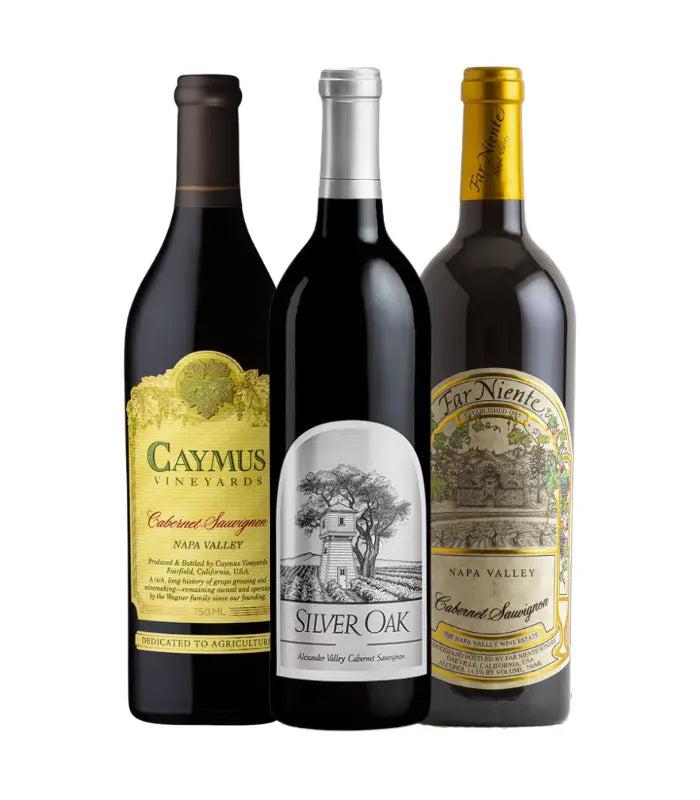
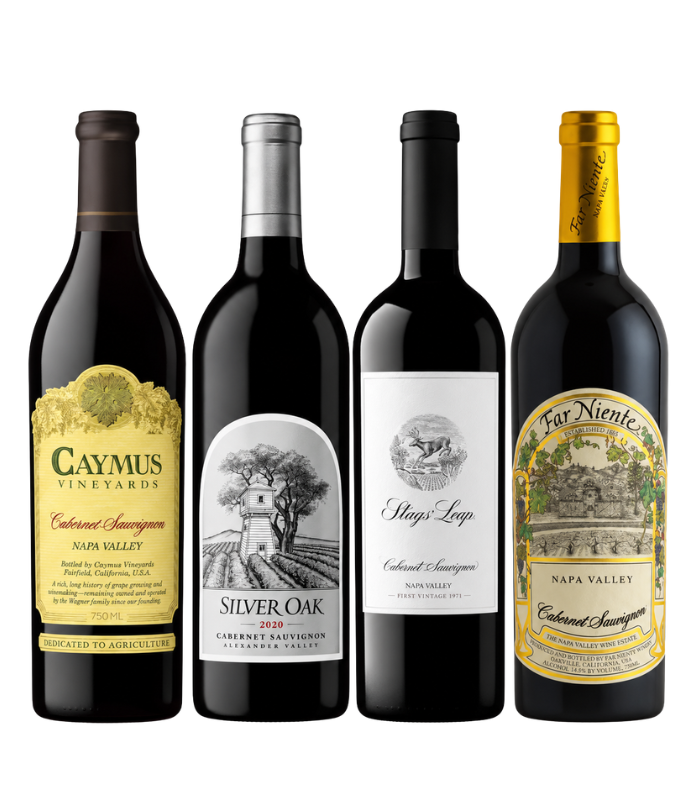
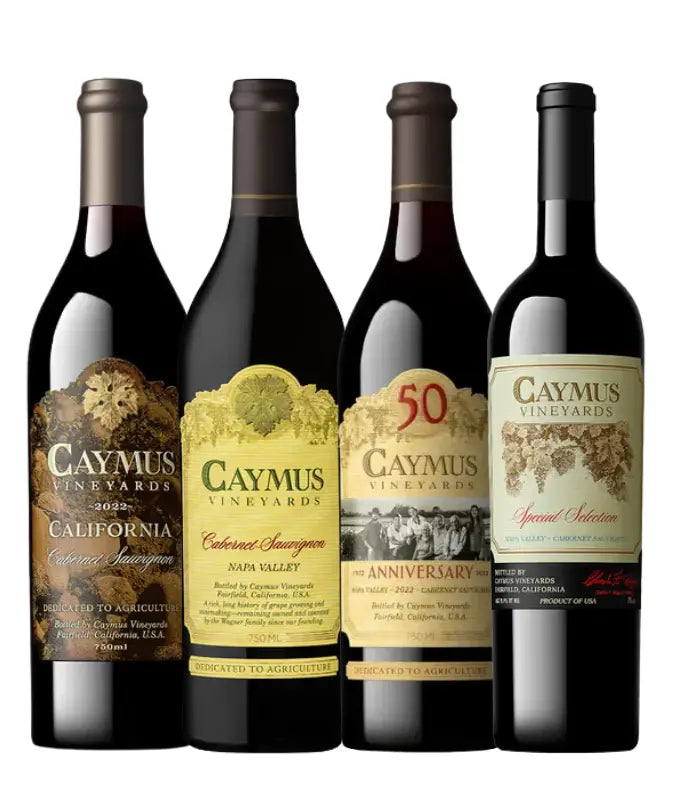
For a bold, fruit-forward red wine, try a bottle like Caymus Vineyards California Cabernet Sauvignon or Meiomi California Pinot Noir. Both have that juicy punch of fruit that makes sipping easy and satisfying.

Tawny Port

Jump over to Tawny Port, and things get warm and a bit more complex. Tawny is aged in barrels, and that aging softens the bright fruit and introduces deeper notes of caramel, nuts, and spice. Think of it like fruit leather meeting toasted oak and honey.

Tawny Port is one of those bottles you reach for after dinner with a plate of nuts, a touch of blue cheese, or citrusy desserts.

If that full, aged character appeals to you, an oak-influenced wine like Silver Oak Alexander Valley Cabernet Sauvignon can offer a similar sense of warmth and depth.

You might even reach for a spirit like Oban 15 Year Port Cask Finish Scotch Whisky. That’s because whisky finished in port casks picks up some of the same richness and layered character you’re chasing with Tawny.

Vintage Port

In any guide to types of port wine, Vintage Port is where things start to feel more serious. Vintage Port is the kind of wine you talk about with a bit more reverence. Vintage is only declared in the very best years and then bottled to age.

It’s rich, intense, and built to develop over time. You’ll notice notes of black plum, tobacco, chocolate, and a full body that stays with you.

Vintage Port is perfect for a special evening or for cellaring if you enjoy seeing how wine evolves over time. It’s the kind of bottle that rewards patience, opening up with more depth and nuance as the years go by.

White Port

Don’t sleep on White Port. It’s lighter and brighter than its red counterparts, often dry or off-dry, and perfect as an aperitif.

White Port can have floral and citrus notes that make it refreshing when chilled, especially on a warm evening. You might pick up hints of green apple, orange peel, or even a touch of honey, depending on the style.

Think of it like a fruitier, more aromatic cousin to standard white wines. For a fresh, easygoing profile, a crisp Pinot Grigio like Ruffino Lumina Pinot Grigio offers similar brightness and clean, refreshing acidity that makes each sip feel light and effortless.

Late Bottled Vintage and Tawny Age Grades

There are a couple of extra categories to know if you want to really speak port fluently.

Late Bottled Vintage (LBV) sits between Ruby and Vintage. It’s aged longer in barrel before bottling, so it’s smoother than Ruby but doesn’t require the aging commitment of Vintage.

Tawny Ports often come with age statements like 10, 20, or even 30 years. The higher the age, the deeper and nuttier the experience. These aren’t different grape varieties but different ways of aging and expressing the same fortified base.

These styles are ideal for people who want that mature, polished sip without diving into the very serious world of Vintage bottles.

Pairings That Work

Port wines are famously good with food. The sweet and fortified nature makes them shine with desserts and cheeses, but the exact match depends on the style:

  • Ruby Port: Rich, juicy, and fruit-forward, Ruby pairs beautifully with chocolate brownies, berry cobbler, or even a slice of dark cherry tart. Its bright fruitiness brings out the best in desserts without overwhelming them.

  • Tawny Port: Warm and nutty, Tawny Port works wonderfully with rich cheeses, toasted nuts, or desserts with caramel and spice. A slice of pecan pie or a wedge of blue cheese is a perfect companion.

  • Vintage Port: Deep, intense, and structured, Vintage Port can stand up to dark chocolate, aged cheeses, or even a spiced chocolate cake. Each sip reveals layers that match the richness of these bold flavors.

  • White Port: Light, crisp, and floral, White Port is ideal with lighter desserts, citrusy salads, or fresh fruit tarts. Chilled and refreshing, it makes a perfect aperitif to start a meal or accompany a delicate treat.

How to Serve Port Wine

Port likes being served at the right temperature. Reds like Ruby and Vintage are best at cellar cool: not icy cold but not room temperature either. Think around the same chill you’d give a red wine just after pulling it from a cool storage spot.

White Port is served chilled, like other white wines. If there’s a bit of condensation on the bottle, you know you’re on the right track.

Glassware matters too. A tulip-shaped glass helps funnel those aromas up to your nose so every sip feels more layered. Port isn’t the kind of wine to gulp. This is the slow-sipping, conversation-inducing kind of wine.

Storing Port Wine

Port is surprisingly forgiving if stored properly. Unopened bottles, especially Vintage and aged Tawny, can develop in the bottle for years, gaining depth, complexity, and those nutty, caramel notes that make port so special.

Lighter styles like Ruby or White are best enjoyed within a year or two of purchase to enjoy their bright, fruity character at its peak.

Once opened, storage matters even more. Keep bottles upright in a cool, dark place to minimize oxidation.

For Reds like Ruby or Vintage, most will last about a week in the fridge, while White Port can often hold up a bit longer thanks to its crisp acidity. Tawny Ports, with their barrel-aged stability, sometimes stay enjoyable for two to three weeks after opening.

A little attention to storage ensures each glass tastes fresh, whether it’s a casual evening sip or a special occasion pour.

Discover Your Next Favorite Pour

This guide to types of port wine shows that port is one of those things that sounds intimidating until you actually taste it. Once that barrier is down, there’s a whole world of flavors and experiences to enjoy. From the juicy sweetness of Ruby to the old-school richness of Vintage, there’s something in the port wheel for every palate.

When settling in for your next wine moment, take a look through The Barrel Tap wine collection and find bottles that match your mood.

Is Additive-Free Tequila Worth Your Money?

If you’ve spent any time in tequila circles recently, whether in person or deep in a social media rabbit hole, you’ve probably heard “additive-free” come up more than once. It sounds like a health trend or a marketing gimmick, depending on who’s saying it. The truth is a little more interesting than either of those two.

What Is Additive-Free Tequila?

Under Mexican law and the official tequila standard (NOM-006-SCFI-2012), up to 1% of a tequila’s total volume can include approved additives without any label disclosure. These additives typically fall into four categories: 

  • Caramel coloring for a consistent appearance

  • Oak extract to simulate barrel character without actual aging

  • Glycerin to create a thicker, rounder mouthfeel

  • Sugar-based syrup to add sweetness

None of these have to appear on the bottle. The product is still legally labeled as 100% agave tequila.

Additive-free tequila, by contrast, is exactly what it sounds like: distilled spirit, nothing else. What you are tasting is purely the agave, the water, the fermentation, and the distillation. No smoothing agents, no color correction, no shortcuts – just pure mastery of the distillation process.

Why Does This Actually Matter?

The tequila industry has exploded in demand over the past decade, and additives allow large-volume producers to maintain consistent, approachable flavor profiles across millions of bottles. Obviously, that’s a perfectly valid business decision, but it’s not necessarily one that benefits a consumer who thinks they’re tasting pure agave.

For a casual drinker who enjoys a sweet, silky margarita, additives can genuinely improve the experience. Glycerin creates a lush texture. Sweetener rounds off sharp edges. The result is a more immediately crowd-pleasing spirit. There’s nothing wrong with that.

Curious what premium agave actually tastes like? The earthy, herbal, sometimes vegetal complexity that comes from a well-grown Weber Blue Agave plant is the whole point. But additives can mask that character, smoothing everything into something softer, sweeter, and more predictable. 

In a way, you’re not tasting the agave at all. Instead, you’re tasting a version of it that’s been engineered to appeal to the widest audience possible. Whether that’s worth the price is genuinely a personal question. For me, it depends on what day of the week it is.

How to Tell If a Tequila Is Additive-Free

There is no label requirement to disclose additives, which makes this trickier than it should be. A few reliable signals help narrow it down.

The Tequila Matchmaker app maintains a community-sourced database where brands can voluntarily register as additive-free and submit to independent testing. It’s not perfect, but it’s the most practical third-party reference available for consumers right now.

Beyond that, additive-free tequilas tend to have slightly more variation between batches because nothing is being corrected. A blanco that is noticeably sweet with no citrus mixer in sight is often a glycerin-and-syrup signature. 

An añejo with suspiciously dark, perfectly consistent color likely has caramel added. Premium brands that have built reputations on traditional production, think stone ovens, natural fermentation, copper pot stills, are also far more likely to be clean.

Below are a few tried and tested additive-free tequilas for you to try out:

Don: A Premium Name With Genuine Craft Behind It

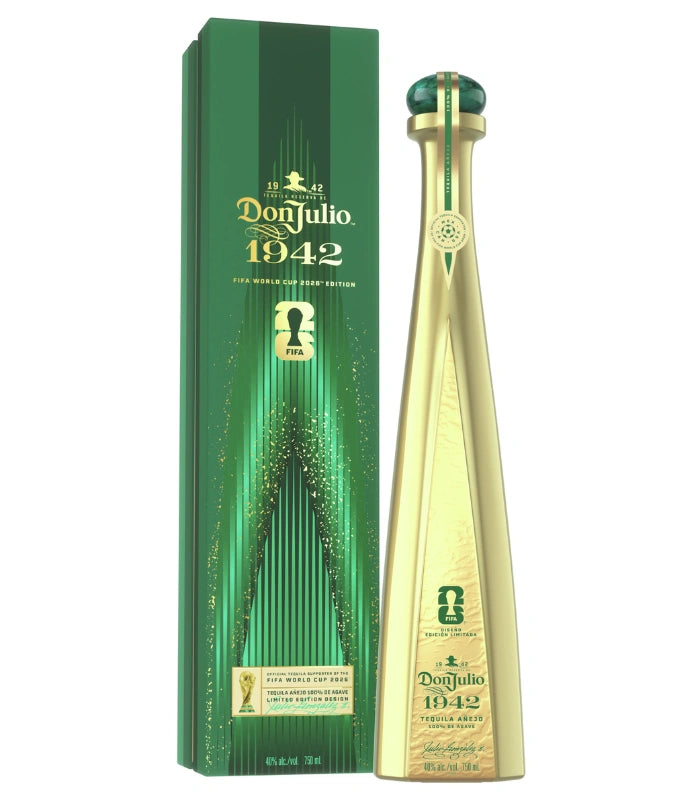
Don Julio is one of the most recognized names in the premium tequila category, and it’s earned that position through consistent quality rooted in traditional production. Crafted from 100% Blue Weber agave grown in the Jalisco Highlands, the entire Don Julio lineup is distilled using time-honored methods that don’t rely on additives to deliver smoothness.

The Don Julio Blanco is the clearest expression of what the agave itself brings. It is crisp, herbaceous, with notes of citrus and fresh agave that linger clean on the finish. It is the benchmark, so if you want to understand what unmodified tequila tastes like, you should start here.

The Don Julio Tequila Bundle, which includes the Blanco, Reposado, and Añejo, is one of the best ways to understand how the same agave evolves through different aging stages. The Reposado’s eight months in American white oak add vanilla and warm spice without burying the agave character. 

The Añejo goes deeper into caramel and toasted oak territory. Going through all three side by side teaches you more about tequila in one sitting than most people learn in years. Trust me, I would know.

Patron: The Pioneer That Still Delivers

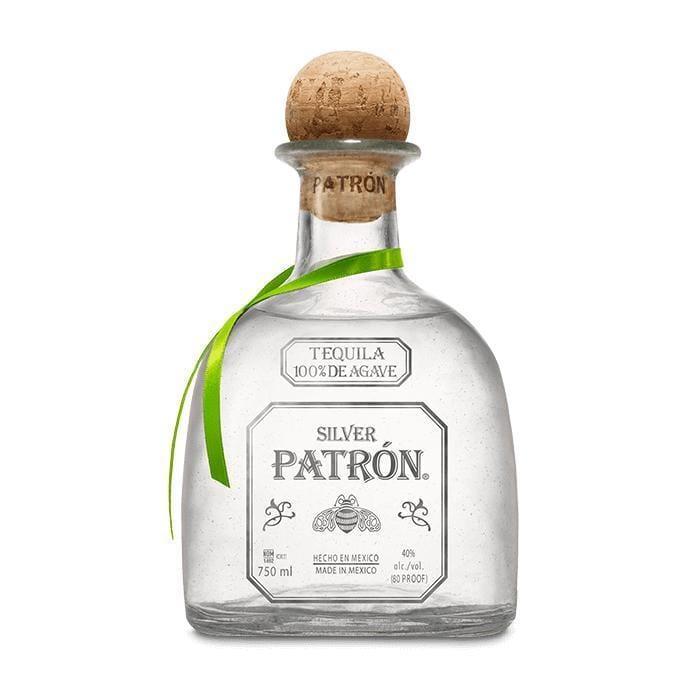
Patrón almost single-handedly created the American market for premium 100% agave tequila, and decades later, it still makes a strong case for its place in any serious tequila collection. Made in small batches in Atotonilco El Alto, Jalisco, using 100% Blue Weber agave slow-roasted in brick ovens and distilled in copper pot stills, the Patron Tequila Bundle: Silver, Reposado, Añejo, and Extra Añejo, gives you the full range of what this distillery can do.

So, Is It Worth It?

The short answer is yes, it is worth trying, but not because additives are inherently bad, but because tasting the unmodified version gives you a real reference point. 

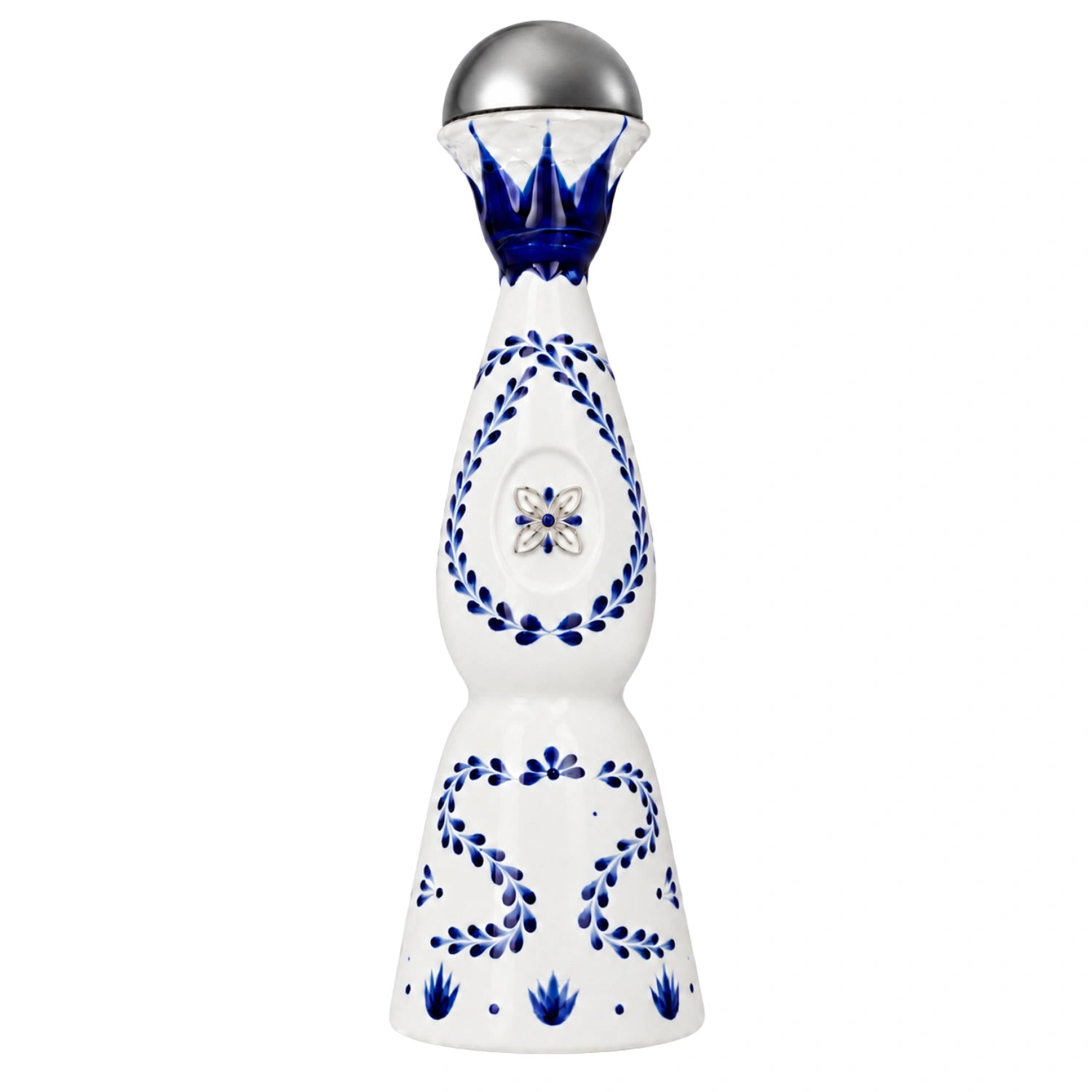
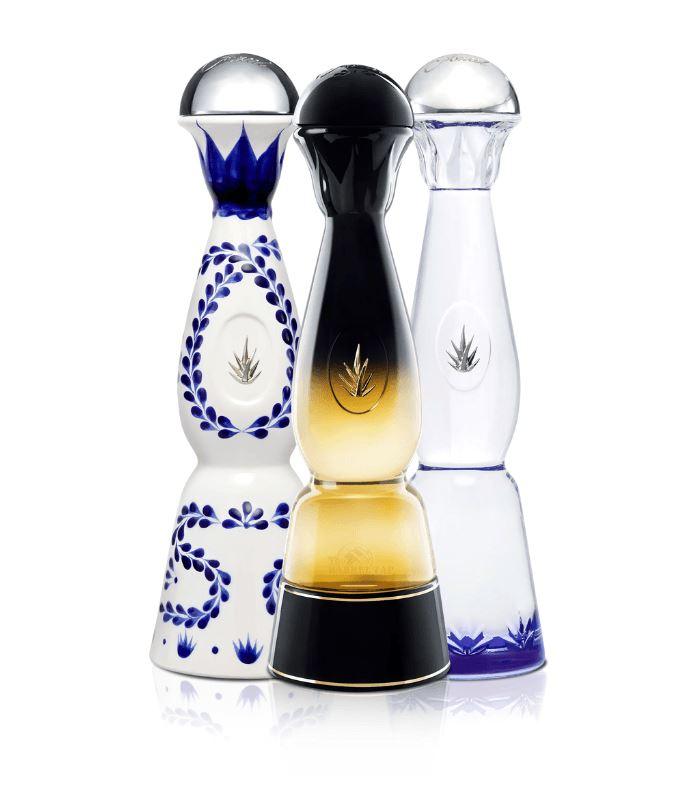
Once you’ve had a well-made Don Julio Blanco or a Clase Azul Reposado, you will have a clearer sense of what agave actually tastes like, and that clarity makes every future tequila purchase more informed.

Browse our full additive-free tequila collection to explore the full range of premium expressions available. You’ll find everything from everyday sippers to bottles worth saving for a special occasion.

Happy Drinking!

Best Father’s Day Gifts for Whiskey Lovers

Many of us have been there before. You begin brainstorming for the best Father’s Day gift to give your old man, and boom, you find yourself buying the same thing you bought the previous year, again. Father’s Day gifting can quickly fall into predictable territory, and it comes as no surprise, since most fathers rarely let us know what they want as gifts. 

Common examples typically include socks, grilling tools, or another “World’s Best Dad” mug that ends up in the back of a cabinet. If the dad in your life appreciates a well-poured dram, however, there’s an opportunity to give something far more memorable.

The best Father’s Day gifts for whiskey lovers combine quality, intention, and personalization. Whiskey already carries tradition and craftsmanship. Add engraving to that mix, and you transform a premium bottle into a shelf-worthy trophy.

Let us break down how to choose a gift that feels worthy of the occasion.

Why Whiskey Is a Timeless Father’s Day Gift

Whiskey has long symbolized heritage, patience, and craftsmanship, and these are qualities that many people tend to associate with fatherhood itself. Whether he prefers bourbon, rye, or Scotch, a well-chosen bottle reflects an appreciation for his taste.

But the real difference-maker? That’s customization! Instead of simply buying a high-end bottle, personalizing it shows that you planned ahead for the gift. It adds emotional weight to something he will genuinely enjoy. 

A strong starting point is The Barrel Tap’s Engraved Whiskey Collection. This collection allows you to customize premium whiskey bottles with names, dates, or short messages, a gesture that’s perfect for Father’s Day.

Personalized Bourbon for the Classic Dad

If your dad gravitates toward bourbon, engraving elevates an already excellent gift.

An engraved bottle of Blanton’s Single Barrel Bourbon feels especially appropriate for Father’s Day. Its single-barrel distinction pairs beautifully with a message like “One of a Kind — Happy Father’s Day.” For a refined, balanced option, an engraved Woodford Reserve Bourbon delivers elegance without being flashy.

Both options offer rich caramel and oak notes, making them ideal for dads who enjoy sipping neat after dinner.

Rye Whiskey for the Bold Palate

Some fathers prefer a spicier, more assertive profile. Rye whiskey delivers this with its signature peppery intensity and bold structure. 

An engraved bottle of WhistlePig 10 Year Rye makes a bold statement, both in flavor and presentation. This is especially perfect for the dad who appreciates complexity, as this kind of gift shows that you understand his preferences, not just the occasion.

Luxury Options for Milestone Father’s Days

For milestone birthdays that coincide with Father’s Day, such as 50th, 60th, or retirement, a higher-end engraved bottle adds gravitas to such a momentous occasion.

An engraved Macallan 12 Year Sherry Oak appeals to Scotch lovers who value smooth, layered flavor with dried fruit and spice notes. This kind of gift feels substantial, making it something he may even hesitate to open immediately.

If you’re ready to invest in something exceptional, the Hibiki 21 Years Old Japanese Whisky is a worthy pick as a special Father’s Day gift. Another great luxury whiskey option for a Father’s Day gift is the Macallan 18 Year Sherry Oak Scotch Whisky.

Any of these rare selections delivers both craftsmanship and memorable presentation. 

Why Engraving Makes Father’s Day Different

Whiskey alone is appreciated, but Engraved whiskey? Now that is something to be remembered.

Adding “Happy Father’s Day 2025,” a family nickname, or even a short thank-you message turns the bottle into something personal. Many fathers keep engraved bottles long after they’re emptied, keeping them displayed on a shelf as a reminder of the moment.

This gesture is subtle, elegant, and meaningful without being overly sentimental. Honestly, overly sentimental may not be a bad idea in this case.

Pairing the Gift With an Experience

To make your gift even stronger, consider pairing the engraved bottle with:

  • A handwritten note about your favorite memory together

  • A printed cocktail recipe

  • A planned evening where you share the first pour

This way, the whiskey becomes the centerpiece of a moment, not just an object.

Choosing the Right Bottle Without Overthinking It

If you’re unsure what he prefers, here’s a simple guide:

  • Likes sweet, smooth profiles? Choose bourbon.

  • Prefers bold, spicy flavors? Choose rye.

  • Enjoys layered, subtle complexity? Choose Scotch.

Sticking with recognized premium brands reduces guesswork, and the engraving ensures the bottle still feels customized and thoughtful. Also, taking a quick peek at his private whiskey shelf may be a good way to judge his taste in whiskeys, and this will help you pick a premium bottle that he would surely cherish for a very long time.

The Barrel Tap’s engraving service ensures clean, precise etching that complements the bottle’s design rather than distracting from it.

A Gift that Outlasts the Pour

One reason the best Father’s Day gifts for whiskey lovers often involve engraving is longevity. The bottle remains long after the whiskey is gone. It becomes a display piece, essentially morphing into a marker of appreciation.

It is a gift that acknowledges both his taste and his role in your life. And if he insists on sharing a dram with you? Even better.

A Worthy Pour

The best Father’s Day gifts for whiskey lovers combine craftsmanship, personalization, and genuine thoughtfulness. While premium whiskey is always appreciated, engraving transforms it into something deeply personal and impressive.

Whether you choose Blanton’s for its individuality, Woodford Reserve for its refinement, WhistlePig for its bold character, or Macallan for its layered sophistication, customization is what elevates the gift to new heights.

Are you finally ready to create a Father’s Day gift that pops will never forget?

Explore The Barrel Tap’s Engraved Whiskey Collection and personalize a bottle that honors his legacy and tantalizes his taste buds.

The Best Gifts for Gin Lovers

Finding the perfect gift for a gin enthusiast can feel deceptively simple. After all, gin is widely available and endlessly versatile. But if the person you are shopping for truly appreciates botanicals, craft distillation, and the ritual of a well-built G&T, an ordinary bottle often falls short.

The best gifts for gin lovers combine thoughtfulness, quality, and a personal touch that transforms a great spirit into something unforgettable.

Let’s explore what truly makes a gin gift stand out.

Why Gin Makes a Great Gift

Gin is one of the most diverse spirits in the world. From classic London Dry styles to modern botanical-forward expressions, it offers a wide range of flavors, including juniper, citrus peel, lavender, rosemary, cucumber, and even exotic spices.

That versatility makes gin giftable; however, personalization makes it memorable.

An engraved bottle instantly shifts the tone of your gift. Instead of handing over something that could be picked up at any store, you are giving a keepsake, something that may even stay on display long after the last pour.

If you are starting your search, The Barrel Tap’s Engraved Gin Collection is a strong first stop. It brings together premium gin options that can be customized for special occasions.

Personalized Engraved Gin Bottles

A personalized gin bottle allows you to add a name, meaningful date, inside joke, or heartfelt message directly onto the glass. It’s elegant without being overdone, and it works equally well for milestone celebrations or subtle gestures.

For example, an engraved bottle of Hendrick’s Gin makes a sophisticated gift. Known for its infusion of cucumber and rose, Hendrick’s already stands out visually; therefore, engraving ultimately adds a layer of distinction, which anyone receiving it as a gift will love.

Buy Engraved Hendrick’s Gin

If your recipient leans toward classic London Dry, an engraved bottle of Bombay Sapphire Gin delivers timeless appeal. The recognizable blue bottle combined with a custom message creates a gift that’s both iconic and personal.

Buy Engraved Bombay Sapphire Gin

For those who appreciate bold juniper-forward profiles, a personalized Tanqueray Gin bottle offers traditional character with a custom twist.

Buy Engraved Tanqueray Gin

All of these engraved options instantly elevate the experience beyond the ordinary and solidify their status as shelf-worthy gins.

Gifts that Elevate the Gin Experience

Beyond the bottle itself, the best gifts for gin lovers enhance how the spirit is enjoyed.

Consider the ritual of building a gin and tonic. The right glassware, premium tonic, and fresh garnishes matter, but we know that it all starts with a bottle worth pouring. An engraved gin becomes the centerpiece of that experience – just think about it!

Pairing a personalized bottle with a handwritten cocktail recipe or suggested garnish combination, such as grapefruit peel, rosemary sprig, or cracked pepper, adds an extra thoughtful touch. It shows you understand not just the spirit, but the enjoyment that comes with it.

If you are unsure which gin style your recipient prefers, sticking with well-known premium expressions available in the Engraving Gin Collection ensures quality while allowing customization to do the emotional heavy lifting.

Occasions that Call for Engraved Gin Gifts

The best gifts for gin lovers often coincide with meaningful milestones, as they should. Here are some of the most popular ones:

  • Birthdays

  • Anniversaries

  • Weddings

  • Retirement celebrations

  • Corporate gifting

  • Housewarming parties

An engraved gin bottle works particularly well for weddings and anniversaries, because by adding the couple’s names and wedding date to the bottle, you transform the bottle into a keepsake that they may save long after the contents are enjoyed.

For corporate gifting, a personalized gin bottle strikes a balance between professional and thoughtful. It’s a polished gift that doesn’t feel generic. And for birthdays? There are a few things that say “I know you” quite like a custom message on their favorite spirit.

Choosing the Right Gin for Gifting

When selecting a gin gift, it is only right that you consider the recipient’s flavor preferences.

Ask yourself these questions first:

  • Do they love bold juniper and classic profiles?

  • Do they gravitate toward floral and citrus-forward styles?

  • Are they adventurous with craft or small-batch expressions?

Classic brands like Tanqueray and Bombay Sapphire are safe choices for traditionalists, while Hendrick’s appeals to those who enjoy modern botanical complexity. If you are uncertain, opting for a recognizable premium label and letting the engraving personalize it is often the safest strategy.

Why Engraving Makes a Difference

Anyone can buy gin, but not everyone takes the extra step to customize it. Engraving adds permanence. It signals that this bottle was selected with intention, not grabbed at the last minute. The physical etching into the glass creates a tactile reminder of the occasion; something labels and gift bags simply can’t replicate.

The Barrel Tap’s engraving service allows you to personalize premium gin bottles in a clean, elegant format that feels refined rather than flashy. That subtlety is what makes it appropriate for both intimate and formal gifting situations.

A Gift that Lasts Beyond the Pour

The best gifts for gin lovers don’t end when the bottle is empty. Many recipients keep engraved bottles as display pieces, repurposing them as decorative bar elements or sentimental reminders.

You can think of an engraved gin bottle as a rare gift that delivers both immediate enjoyment and long-term keepsake value. And let’s be honest, if you are gifting gin, it naturally becomes the centerpiece.

A Lasting Pour

The best gifts for gin lovers combine quality, personalization, and presentation. While any decent gin can be appreciated, an engraved bottle transforms the gesture into something meaningful and memorable.

Whether you decide to go with Hendrick’s for its modern botanicals, Bombay Sapphire for its timeless elegance, or Tanqueray for its bold tradition, personalization is what elevates the experience to new heights.

Are you ready to create a truly unforgettable gin gift?

Explore The Barrel Tap’s engraved gin collection and customize a bottle that’s as unique as the person you are gifting it to.

Cheers to thoughtful giving.