
Buffalo Trace vs. Eagle Rare

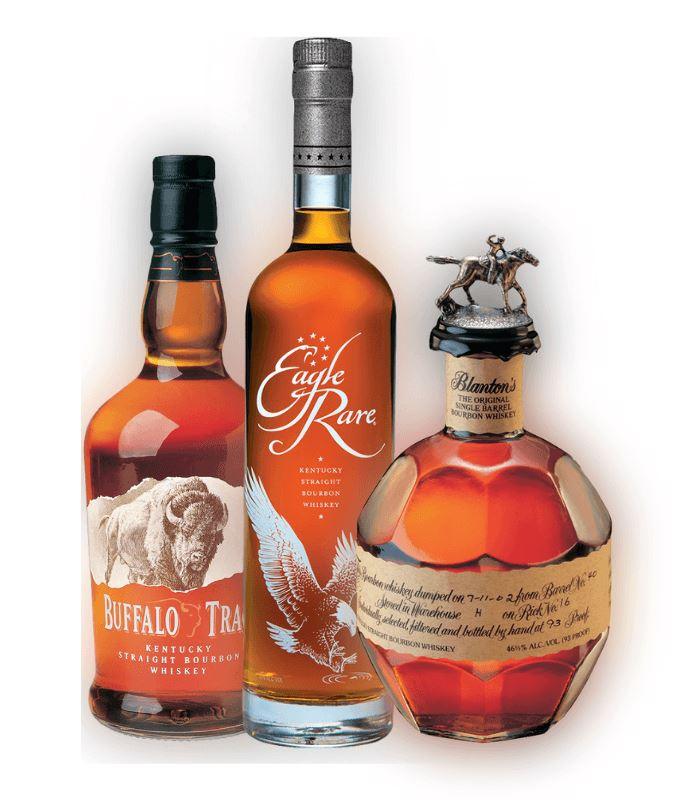
It’s easy to assume Buffalo Trace Bourbon and Eagle Rare 10 Year are basically the same bourbon with different labels. After all, they come from the same distillery and share the same mash bill. In fact, they’re even bottled at the same proof. But when you taste them side by side, the differences become obvious. One is bright and sweet, while the other leans into more oak and a longer finish.

If you’ve been wondering about Buffalo Trace vs. Eagle Rare, here’s what really separates them and which one might deserve a spot on your shelf.

Buffalo Trace vs. Eagle Rare: Key Differences

At first glance, these two bourbons have a lot in common, and that’s exactly why people compare them so often. They’re both made at Buffalo Trace Distillery using the same low-rye mash bill #1, and they’re both bottled at 90 proof (45% ABV). If you stopped there, you’d probably expect them to taste almost identical, but they don’t.

The biggest difference is age. Buffalo Trace Bourbon doesn’t carry an age statement, while Eagle Rare spends at least 10 years in the barrel. That extra time brings out more oak and richer flavors.

Buffalo Trace, on the other hand, stays a little brighter and sweeter, making it an easy bottle to reach for on just about any night. It’s usually easier to find, too, while Eagle Rare can be tougher to track down.

But age isn’t the whole story. Take two loaves of bread made from the same dough. Leave one in the oven a little longer, and you’ll end up with a darker crust, richer flavor, and a completely different experience. That’s how whiskey develops its own personality.

Barrel placement, warehouse conditions, and blending decisions all leave their mark, which is why two bourbons can start with the same recipe yet end up with distinct personalities.

Some limited Eagle Rare releases come at higher proofs, but this comparison sticks to the standard bottles most bourbon drinkers are actually deciding between.

Buffalo Trace vs. Eagle Rare: Flavor Profile

Buffalo Trace Flavor Notes

You’ll usually notice vanilla, caramel, honey, and a touch of brown sugar right away. A little citrus and gentle baking spice keep things lively, while the oak stays in the background without taking over. It’s an easy bourbon to enjoy neat or in classics like an Old Fashioned or Manhattan.

Eagle Rare Flavor Notes

The familiar caramel and vanilla are still there, but they’re joined by dark cherry, orange peel, cocoa, seasoned oak, and just a hint of tobacco. The flavors unfold a little slower, revealing something new as the glass sits. It doesn’t taste dramatically older, though. Instead, it feels more layered, rewarding those who like to take their time with a pour.

Buffalo Trace vs. Eagle Rare: Finish

Buffalo Trace finishes cleanly with lingering sweetness, soft spice, and a light touch of oak. It’s the kind of bourbon that naturally invites another sip.

On the flip side, Eagle Rare lingers longer. The oak becomes more noticeable, and the spice builds gently. The darker fruit notes also stay with you after each sip.

That’s not to say one finish is better. If you enjoy an easy-drinking bourbon, Buffalo Trace is hard to beat. If you prefer a finish that sticks around a little longer, Eagle Rare has the edge.

Is Eagle Rare Worth the Extra Cost?

Buffalo Trace Bourbon has earned a reputation as one of the best values in bourbon. When you find it at a fair price, it’s hard to argue against what it delivers. It’s approachable enough for newcomers while still giving experienced bourbon fans plenty to appreciate.

Eagle Rare often costs a bit more, and its popularity means it’s usually harder to find. When it’s priced close to retail, the extra maturity and complexity make the jump worthwhile for many drinkers.

Once prices climb well above retail, though, the value equation changes. At that point, you’re paying as much for scarcity as for what’s actually in the bottle. If Eagle Rare is dramatically marked up, many bourbon drinkers are better off grabbing Buffalo Trace and saving the difference.

Should You Buy Buffalo Trace or Eagle Rare?

There’s no wrong answer here. It simply depends on what you’re looking for. Choose Buffalo Trace Bourbon if you want an everyday bottle that’s easy to enjoy and easier to find. Go with Eagle Rare 10 Year if you’re after a pour that feels a little more special and don’t mind spending a bit more to get it.

That’s really what Buffalo Trace vs. Eagle Rare comes down to. One is built for any night of the week. The other is the bottle you reach for when you want to slow down and savor the moment.

Ready to Pick Your Next Pour?

Whichever bottle you choose, you’re getting a bourbon that’s earned its reputation for a reason.

Ready to taste the difference for yourself? Explore The Barrel Tap’s Buffalo Trace collection and Eagle Rare collection to find authentic bottles shipped straight to your door.

Cognac vs Whiskey: What’s the Real Difference?

Pull up a menu at a whiskey bar, and it’s easy to see why this question comes up so often. Both cognac and whiskey are aged spirits with long histories, loyal fans, and bottles that range from affordable to truly collectible. At first glance, they can even look similar in the glass, but that’s as far as the similarities go.

When you compare cognac vs whiskey, it doesn’t take long to see they’re built differently from the ground up. They’re made from different ingredients, produced in different ways, and each has its own personality once you take that first sip.

If you’ve been curious about what sets them apart or you’re trying to decide which bottle deserves a spot on your shelf, here’s a closer look at both classic spirits.

What Are Cognac and Whiskey Made From?

Cognac and whiskey are made from completely different ingredients. Cognac is made from white grapes, while whiskey is made from grains like corn, barley, rye, or wheat. That might sound like a small detail, but it’s the reason these two spirits taste so different.

Cognac starts as wine. The grapes are fermented, distilled, and then aged in French oak barrels. Along the way, it develops the fruit-forward character it’s known for, with notes like dried fruit, citrus, vanilla, flowers, and gentle spice.

Whiskey takes a different route. It starts with grains, and the mix of those grains, called the mash bill, has a big influence on the final flavor. A bourbon made with plenty of corn often leans sweeter with caramel and vanilla notes. Add more rye, and you’ll usually get a little more spice. Malted barley can bring a rich, malty character that stands out in many whiskies.

Before either spirit spends a single day in a barrel, they’re already headed in different directions. That’s a big reason why a glass of cognac and a glass of whiskey can taste worlds apart, even if they’re aged for the same number of years.

Where Cognac and Whiskey Come From

Not every grape brandy can be called cognac. To earn that name, it must come from the Cognac region of southwestern France and follow strict production rules. Everything from the grape varieties to the distillation process and aging requirements is carefully regulated.

Whiskey is a different story. It’s made all over the world, and every country puts its own spin on it. Bourbon comes from the United States. Scotch comes from Scotland. Irish whiskey has its own smooth, easygoing style, while Japanese whisky is known for balance and precision.

That’s part of what makes whiskey so much fun to explore. You can try bottles from different countries and discover something new every time. Cognac, on the other hand, stays true to its roots, with every bottle reflecting the traditions of one famous region in France.

How Cognac and Whiskey Are Made

Once the ingredients are ready, the production methods continue to push these spirits in different directions.

Cognac is traditionally distilled twice in copper pot stills. After distillation, it spends years aging in French oak barrels, gradually developing deeper flavors while softening over time.

A bottle like Hennessy VS Cognac offers an approachable introduction with lively fruit, vanilla, and oak notes. Move up to Rémy Martin VSOP, and the extra aging brings more depth, spice, and elegance while keeping the spirit remarkably smooth.

Whiskey production depends on the style being made. Bourbon, for example, must be aged in new charred oak barrels, giving it rich flavors of caramel, vanilla, toasted oak, and baking spices.

Scotch often ages in previously used barrels, allowing more regional character to shine through. Some Scotches develop delicate fruit notes, while others become famously smoky.

Japanese whisky draws inspiration from Scotland but often focuses on balance and refinement, producing spirits that feel layered without becoming overwhelming.

What Does Cognac Taste Like?

Many people expect cognac to be heavy or overly sweet. In reality, it usually feels bright, elegant, and surprisingly complex.

Depending on the producer and age, you might notice flavors like:

  • Apricot

  • Raisins

  • Orange peel

  • Vanilla

  • Honey

  • Floral notes

  • Baking spices

  • Toasted oak

For newcomers, Martell VS makes an excellent starting point. It leans toward fresh fruit with soft spice and a smooth finish that doesn’t overwhelm the palate.

If you’re looking for something with more character, Pierre Ferrand Original 1840 Formula Grande Champagne Cognac delivers richer fruit, warm spice, and enough structure to shine both neat and in classic cocktails. The longer a cognac ages, the more those fruit flavors blend with oak, spice, and subtle earthy notes.

What Does Whiskey Taste Like?

Whiskey is much harder to describe with one list of tasting notes because every style brings something different.

A bourbon like Eagle Rare 10 Year Kentucky Straight Bourbon Whiskey offers classic flavors of caramel, vanilla, toasted oak, and a touch of dark fruit. It’s rich without becoming too sweet, making it easy to appreciate even if you’re fairly new to bourbon.

Blanton’s Single Barrel Bourbon delivers another side of bourbon. Since every barrel develops a little differently, each bottle carries its own personality. Expect notes of honey, citrus, vanilla, and spice with plenty of depth.

Move over to Japan, and Hibiki Japanese Harmony Whisky showcases balance above everything else. Gentle floral aromas, honey, orange peel, and soft oak come together in a remarkably smooth pour that appeals to a wide range of drinkers.

Then there’s Lagavulin 16 Year Old Scotch Whisky, one of the most recognizable Islay Scotches in the world. Smoke arrives first, followed by sea salt, dried fruit, vanilla, and layers of earthy complexity that linger long after the sip.

That range is one of whiskey’s greatest strengths. Two bottles sitting side by side can deliver completely different experiences.

Cognac vs Whiskey: Which Is Better for Beginners?

So, which one should you start with? It really comes down to the kinds of flavors you already enjoy.

If you like wine, fruit-forward cocktails, or spirits with a softer, smoother profile, cognac is often the easier introduction. Its fruit-driven character and gentle spice make it approachable without feeling overly bold.

If rich caramel, vanilla, toasted oak, and baking spices sound more like your style, whiskey is probably the better first pour. Bourbon is often a great place to begin, while Scotch, Irish whiskey, and Japanese whisky each offer their own take on those classic flavors.

Still not sure? Try both. Pour a glass of cognac one evening and whiskey the next. Before long, you’ll start noticing which aromas and flavors keep pulling you back for another sip.

The good news is you don’t have to get it right on the first try. Every bottle teaches you a little more about what you enjoy, and there’s a good chance you’ll end up keeping both cognac and whiskey on your shelf. After all, each one fits a different mood and occasion.

Cognac or Whiskey: Which Will You Choose?

Cognac and whiskey may share space on the same shelf, but they bring something completely different to the glass. Some days you might be in the mood for the fruit and elegance of a cognac. Other days, nothing beats the rich caramel, spice, or smoky character of a good whiskey.

Here’s the thing. You don’t have to choose just one. Plenty of people keep both on hand because each scratches a different itch. It all comes down to what sounds good when it’s time to pour a glass.

Ready to see what both have to offer? Explore The Barrel Tap’s Cognac collection and Whiskey collection to find everything from everyday favorites to rare, hard-to-find bottles. There’s a good chance your next favorite pour is waiting on the shelf.

A Beginner’s Guide to Mezcal

Mezcal has a way of catching people off guard. One sip and you might think it’s all smoke and fire, but stay with it a little longer, and you’ll start to notice something deeper happening in the glass. There’s earthiness, sweetness, and a kind of wild character that feels less like a spirit and more like a place bottled up.

For anyone stepping into this world for the first time, this is a beginner’s guide to mezcal that keeps things simple and easy to understand.

What Makes Mezcal Different From Tequila?

Mezcal and tequila come from the same family, but they don’t live the same life. Tequila tends to be more controlled, polished, and predictable. On the flip side, mezcal leans into something wilder, with smoke, stone, and open fire defining its character.

The biggest difference is how the agave is cooked. Instead of industrial ovens, mezcal uses underground pits lined with hot rocks. The agave roasts slowly, picking up that smoky flavor people either fall in love with immediately or need a moment to understand.

Beginner Mezcal Bottles to Try First

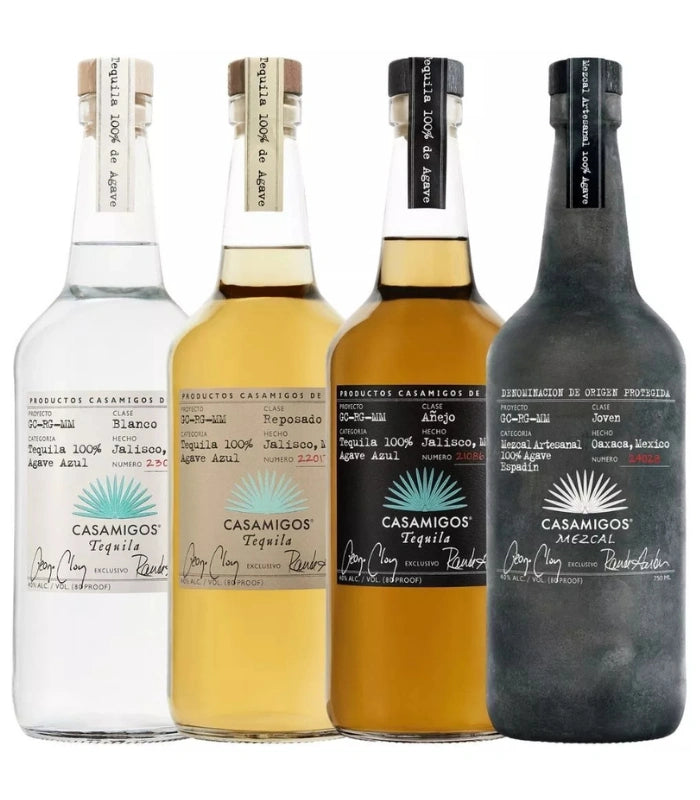
Casamigos Mezcal

For someone completely new, Casamigos Mezcal is often the easiest first step. It comes from Casamigos, the spirits brand co-founded by George Clooney, which makes it feel more familiar right away and takes away some of the hesitation before the glass even hits the table.

The profile is smoother than most, with a softer smoke that doesn’t overpower. It leans toward clean agave notes and a rounded finish that feels more like an introduction than a challenge.

Think of it as the mezcal that doesn’t try to shock you. It simply eases you in, especially if smoky spirits are not something you reach for often.

Mezcal Vago Elote

Then comes the bottle that usually changes the conversation. Mezcal Vago Elote brings something unexpected to the table with its roasted corn character woven into the spirit.

It still has that classic mezcal smoke, but there is a gentle sweetness sitting underneath it that makes everything feel warmer and more playful. It is the kind of bottle that makes people pause mid-sip and ask what exactly they just tasted.

This is where mezcal stops being “a strong spirit” and starts becoming something you actually explore. It feels artisanal without being intimidating, and it shows you that mezcal doesn’t have one single flavor identity.

Mezcal Vago Ensamble

Once the smoke is familiar and the curiosity is growing, Mezcal Vago Ensamble opens the door a little wider.

An ensamble mezcal is made by blending different types of agave, which creates layers of flavor that shift as you sip. One moment it feels bright and herbal, the next it leans earthy and deep, then suddenly a soft sweetness comes through.

It’s not chaotic; just layered in a way that keeps you paying attention. This is usually where people start realizing mezcal is not a straight line. It keeps unfolding the longer you sit with it.

More Beginner-Friendly Mezcal Picks

If you want to explore a little further, there are a few other approachable mezcals worth knowing. Montelobos Espadin is often a go-to for its smooth, balanced smoke that feels easy right from the first sip. 

Ojo de Tigre offers a softer, fruit-forward style that leans friendly for newer drinkers, while Mezcal El Silencio Espadin keeps things clean and simple for anyone easing into smoky spirits.

These are simply different ways to get into the category, each offering a slightly different angle on the same experience.

How to Taste and Enjoy Mezcal

Forget everything you think you need to do with spirits, because mezcal doesn’t run on rules. Instead, it’s about noticing what’s in the glass.

Start with a small sip and let it sit for a second. Don’t rush it. The smoke usually shows up first, but if you give it time, you’ll start catching other layers like citrus peel, roasted nuts, green herbs, and sometimes even a soft sweetness underneath it all.

Sipping it neat is the best place to begin because dilution can hide the details that make mezcal interesting. A small glass, slow pours, and a relaxed pace can change the whole experience in a subtle but important way.

Some people like to pair it with orange slices sprinkled with salt or chili, which can lift the smoke and bring out more sweetness. Others prefer it untouched, so nothing gets in the way of the agave itself.

Both approaches work. Mezcal doesn’t push you toward one right answer; it just meets you where you are.

Your Next Sip Starts Here

Once mezcal clicks, it tends to stay with you, like a flavor memory you keep coming back to. The best way to continue the journey is to explore different expressions side by side and notice how each one changes the experience in its own way.

Explore the mezcal collection at The Barrel Tap and let your next glass open up just how wide this spirit can really go.

Cognac vs. Armagnac vs. Calvados: Key Differences Explained

It’s common to mix Cognac, Armagnac, and Calvados up because they look like they belong in the same category, at least on paper. In the glass, though, they behave completely differently.

When people compare Cognac vs. Armagnac vs. Calvados without really knowing what’s going on behind the bottle, it’s easy to assume they’re more alike than they actually are. All three come from France and belong to the brandy family. But once you dig a little deeper, you start to see that they don’t just taste different, they come from different worlds entirely.

Origins and Regional Differences

All three spirits fall under the broader category of eaux-de-vie, which is a fancy way of saying “water of life.” Here’s the basic idea behind how they’re made: you ferment something natural, in this case fruit, then distill it and capture its essence in liquid form.

France happens to be the place where all three spirits got refined, protected, and turned into something iconic, but they don’t all come from the same region.

Cognac comes from a tightly regulated region in western France called Charente, defined by chalky soil, a mild Atlantic climate, and a highly controlled approach to production. On the other hand, Armagnac comes from Gascony, further south, where the weather is warmer, the landscape more rural, and a bit more free-spirited in how it approaches production.

Finally, Calvados comes from Normandy, where apples and sometimes pears are used instead of grapes. It’s a cooler orchard region that gives the spirit a very different character from the other two.

What Cognac, Armagnac, and Calvados Are Made From

Cognac is mostly made from a grape called Ugni Blanc, which is high in acidity, low in sugar, and not all that exciting on its own. But that’s exactly why it works so well, because it gives distillers a neutral base to refine and build on.

Armagnac, on the other hand, leans into a mix of grapes like Ugni Blanc, Folle Blanche, and Colombard. And that blend is what brings more variation and personality into the glass. It’s also what’s responsible for the spirit’s rustic character.

Calvados is completely different because there are no grapes involved at all. Instead, it is made from apples, sometimes with pears, depending on the style. So what comes through is something that moves away from wine base entirely and into orchard fruit, with an earthy sweetness that feels a lot more grounded.

In a nutshell, Cognac and Armagnac both start with wine made from grapes before it’s distilled into brandy. Calvados starts with cider made from apples and sometimes pears.

How Distillation Impacts Flavor

If there’s one technical difference worth remembering, it’s how each one is distilled, because that’s where they start to really separate.

Cognac is double-distilled in copper pot stills, which strips the spirit back into something clean, smooth, and very controlled in the glass.

Armagnac is usually single-distilled in a continuous still, so more of that original character carries through, giving you more depth, spice, and a slightly earthier feel.

Calvados varies depending on how it’s made, but the focus is less on refinement and more on keeping the apple character at the center. This is why it can range from silky to bold, and might even land somewhere in between that baked fruit kind of warmth.

Aging Styles and the Role of Oak in Flavor Development

Once these spirits go into barrels, they start developing in different ways, and that’s where the contrasts show up in the glass.

Cognac relies heavily on blending, combining different ages and barrels to build consistency year after year. So what you get is balance and structure rather than a single point of origin.

Armagnac takes a more direct approach, especially in vintage bottlings from one year, which gives it a more immediate, less polished feel.

Calvados keeps its fruit character even as it ages in oak. So even as vanilla and spice come through from the barrel, that apple core note stays underneath and keeps it rooted in its orchard base.

Flavor Profiles: What to Expect in the Glass

This is usually where things start to click for most people, because each spirit shows its personality once you know what to look for.

Cognac tends to lean smooth and rounded, with notes like vanilla, dried fruit, soft florals, and a gentle spice that stays in the background rather than pushing forward.

Armagnac goes deeper and more rustic, bringing in flavors like prunes, leather, baking spice, and an earthy richness that tends to linger longer in the glass.

Calvados, on the other hand, feels brighter and more direct, with green apple, baked apple, sometimes pear, and a nutty warmth that makes it feel a bit more relaxed and easygoing.

So when comparing Cognac vs. Armagnac vs. Calvados, instead of thinking in terms of which one is better, it really comes down to what kind of mood you’re in when you pour it.

Bottles to Try From Each Category

This is where things actually start to make sense, because tasting is what turns the differences from theory into something you can feel in the glass.

For Cognac, bottles like Rémy Martin VSOP Cognac and Hennessy VSOP Privilege Cognac are easy reference points. They’re smooth and give you a clear sense of that polished style.

Armagnac opens up a bit more with options like Château de Lacquy 21 Year Bas Armagnac or Delord Napoléon Bas Armagnac, where one leans into deeper aged complexity and the other is a more approachable introduction to the style.

For Calvados, modern bottles like Christian Drouin Calvados Calle 23 Angels or an orchard-forward bottle like Lecompte Calvados 5 Year stay rooted in apple but show different expressions.

How to Drink Them Without Overthinking It

The easiest way to drink these is to match the spirit to the moment, not to overthink the rules.

  • Cognac is the easiest entry point. It works neat after a meal or in classic cocktails where you want smooth structure without much effort.

  • Armagnac slows things down a bit. It’s a sipping spirit that rewards patience, and the depth becomes more noticeable the longer you sit with it.

  • Calvados is more flexible. It works as an aperitif, in cocktails, or on its own when you want something fresh with a gentle warmth behind it.

At the End of It All

Once you’ve tasted across all three, you stop thinking in categories and start thinking in moments. That’s the real takeaway here. Not which one wins, but what each one brings to the glass, and when you might want it.

If you want to go further, The Barrel Tap’s selection of Cognac, Armagnac, and Calvados is a good place to explore and start narrowing down what fits your own taste.

A Guide to the Different Types of Gin

If you’ve ever wondered why one bottle of gin tastes crisp and juniper-heavy while another leans floral, citrusy, or even slightly sweet, you’re not alone. Gin has come a long way from being a one-note spirit, and today’s selection offers something for almost every palate.

What surprises many people is that gin isn’t defined by where it’s made. Instead, the style depends largely on how it’s produced and which botanicals come through the most in the final spirit. That’s why two bottles labeled “gin” can deliver completely different drinking experiences.

Understanding the different types of gin makes it much easier to choose a bottle you’ll actually enjoy, whether you’re mixing cocktails, building a home bar, or simply exploring a new category.

What Makes Gin, Gin?

Gin starts out as a distilled spirit, and juniper berries are what give it that unmistakable character. That piney, slightly resinous character is what separates gin from vodka and other clear spirits.

Beyond juniper, producers can use a wide range of botanicals, including coriander, angelica root, citrus peels, cardamom, lavender, rose, cucumber, tea, and countless others. The combination and balance of these ingredients create each gin’s unique personality.

Some styles put juniper front and center. Others allow citrus, floral, herbal, or spice notes to take the spotlight. That’s where the real fun begins.

London Dry Gin

When most people think of gin, they’re thinking of London Dry. Despite the name, London Dry Gin doesn’t have to be made in London. Instead, the term refers to a production style known for its clean profile, prominent juniper character, and lack of added sweeteners after distillation.

This is the classic gin style behind countless cocktails, including the Gin & Tonic, Martini, and Negroni.

Bombay Sapphire

Bombay Sapphire offers a softer, more approachable take on London Dry Gin. Alongside the expected juniper backbone, you’ll find bright citrus notes and a balanced botanical character that keeps things refreshing rather than overly piney.

If you’re relatively new to gin, this is often an easy place to start because it delivers classic gin flavors without overwhelming your palate.

Tanqueray London Dry Gin

Tanqueray takes a more traditional approach. Juniper plays a bigger role here, supported by citrus and subtle spice notes that create a bold, unmistakably classic profile.

It’s a favorite among bartenders for a reason. When you want a cocktail that proudly tastes like gin, Tanqueray consistently delivers.

Old Tom Gin

Among the different types of gin, Old Tom often gets overlooked, which is a shame because it occupies a fascinating middle ground between historical and modern styles.

Old Tom Gin dates back centuries and is slightly sweeter than London Dry Gin. That touch of sweetness softens the sharper edges of juniper while maintaining the botanical complexity that gin lovers appreciate.

Hayman’s Old Tom Gin

Hayman’s Old Tom Gin is one of the best examples of the style available today. The gentle sweetness doesn’t make it sugary or flavored. Instead, it rounds out the spirit and creates a richer, smoother drinking experience.

If London Dry sometimes feels a bit too sharp for your taste, Old Tom may be exactly what you’re looking for. It’s also an excellent choice for classic cocktails like the Tom Collins and Martinez, where its softer profile can really shine.

Contemporary and New Western Gin

Over the last couple of decades, many distillers have started reimagining gin. Rather than allowing juniper to dominate every sip, they build recipes around floral, citrus, herbal, and other creative botanical combinations. This category has become one of the fastest-growing segments in the gin world.

Aviation Gin

Aviation Gin helped popularize the modern American gin movement by dialing back the juniper and highlighting a more balanced botanical profile.

The result is smooth, approachable, and versatile. You’ll still recognize it as gin, but the overall experience feels softer and more accessible than many traditional London Dry expressions. For whiskey or vodka drinkers exploring gin for the first time, Aviation often serves as a comfortable introduction.

Hendrick’s Gin

Few bottles have had a bigger impact on modern gin than Hendrick’s. Known for its distinctive cucumber and rose notes, Hendrick’s offers a fresh, floral profile that’s instantly recognizable. The botanicals create an elegant balance that feels refined without becoming overly delicate. It’s the kind of gin that can completely change someone’s perception of what gin can be.

Empress 1908 Gin

Empress 1908 stands out immediately, thanks to its striking indigo color. But there’s much more to this bottle than appearance.

Its botanical blend delivers bright citrus, floral notes, and a smooth, contemporary character that appeals to both newcomers and experienced gin drinkers. The color-changing effect in cocktails certainly adds visual appeal, but the flavor profile is what keeps people coming back.

Botanical-Forward Craft Gin

Craft distillers continue pushing gin in exciting directions, creating expressions packed with distinctive botanicals and regional influences. These bottles often appeal to adventurous drinkers who enjoy discovering new flavor combinations.

Monkey 47

Produced in Germany’s Black Forest region, Monkey 47 has earned a reputation as one of the most complex gins on the market. Its recipe includes an impressive collection of botanicals that create layers of citrus, herbs, spice, fruit, and earthy notes. Every sip seems to reveal something new.

Despite its complexity, the flavors remain remarkably balanced, making it a favorite among gin enthusiasts around the world.

Drumshanbo Gunpowder Irish Gin

Drumshanbo brings a unique Irish twist to the category through the inclusion of gunpowder tea alongside traditional botanicals. The result is a vibrant gin with fresh citrus character, subtle tea notes, and an intriguing complexity that sets it apart from more conventional expressions.

Presented in its distinctive ceramic bottle, it carries a handcrafted feel that matches the personality of what’s inside. It’s a bottle that rewards curiosity and often becomes a conversation starter the moment it’s poured.

Flavored and Pink Gin

Another category worth exploring is flavored gin, including the growing popularity of pink gin expressions. These styles build upon a traditional gin foundation while introducing playful, fruit-forward flavors that create a sweeter, more approachable profile.

Indoggo Gin

Indoggo Gin leans into a bright, berry-forward profile that feels easygoing from the first sip. It’s built for approachability, with fruit-driven flavors taking the lead while still holding onto a gentle gin backbone underneath.

You’re not dealing with anything overly complex here, and that’s kind of the point. It’s smooth, slightly sweet, and works well in relaxed, casual serves where the goal is refreshment more than intensity.

Malfy Rosa Gin

Malfy Rosa Gin brings a more classic take on pink gin, with grapefruit and citrus notes shaping most of the experience. It’s fresh, slightly tart, and has that crisp Mediterranean feel that makes it especially easy to enjoy over ice or in simple cocktails.

Juniper still shows up, but it stays in the background, letting the fruit character shine without losing the identity of gin entirely.

Four Pillars Bloody Shiraz Gin

Four Pillars Bloody Shiraz Gin sits at the more expressive end of this category. Instead of leaning purely into citrus or light fruit, it introduces deep berry richness through Shiraz grapes, creating a darker, more wine-like profile.

It feels richer, slightly spiced, and more layered than the others in this category, the kind of gin that naturally stands out in cocktails and often surprises people who expect something lighter or more traditional.

How to Choose the Right Gin for Your Taste

With so many options available, the best choice often comes down to your personal preferences.

If you enjoy classic cocktails and bold juniper flavors, start with London Dry Gin. Bombay Sapphire and Tanqueray are both excellent choices. If you prefer a softer, slightly sweeter profile, Hayman’s Old Tom Gin offers a smooth introduction to a historic style.

For drinkers who enjoy floral, citrus-forward, or modern flavor profiles, Aviation, Hendrick’s, and Empress 1908 showcase how creative contemporary gin can be. And if you’re looking for something truly distinctive, bottles like Monkey 47 and Drumshanbo Gunpowder Irish Gin demonstrate just how diverse the world of gin has become.

Find Your Next Favorite Gin at The Barrel Tap

Exploring the different types of gin is one of the best ways to discover how versatile this spirit can be. From the crisp juniper character of London Dry Gin to the gentle sweetness of Old Tom and the creativity of modern craft expressions, every style offers something a little different in the glass.

The best part is that there’s no single “right” gin. Your ideal bottle depends entirely on the flavors you enjoy and the cocktails you love to make.

Ready to expand your gin collection? Browse The Barrel Tap’s curated selection of premium gin and discover everything from timeless classics to innovative craft expressions.

The Best Mezcal Cocktails to Try at Home

If you’ve mostly been drinking tequila cocktails, one sip of mezcal can completely change what you thought a cocktail could taste like. The earthy, smoky character gives familiar recipes more depth and creates a completely different experience.

The best part is that you don’t need professional bartending skills to enjoy it. That’s because many of the best mezcal cocktails to try at home are surprisingly simple. All you need are a few quality ingredients, fresh citrus, and a good bottle of mezcal.

What Makes Mezcal So Good in Cocktails?

Unlike tequila, which can be bright and peppery, mezcal often has smoky, earthy, herbal, and sometimes even fruity notes. That explains why mezcal cocktails usually have more character right from the start.

Here’s the thing, though. You want balance when making your cocktail because too much smoke can overpower a drink. On the flip side, the right amount creates layers of flavor that keep you coming back for another sip. Citrus, agave nectar, bitters, and liqueurs all work beautifully alongside mezcal because they help soften and complement its bolder qualities.

If you’re making drinks at home, Madre Mezcal is an easy bottle to start with. It’s got enough smoke to stand out, but not so intense that it takes over everything you mix it into.

Classic and Modern Mezcal Cocktails to Try at Home

1. Mezcal Margarita

If you’re new to mezcal, this is probably where you should begin. A Mezcal Margarita takes everything you already love about a classic margarita and adds a smoky twist to it. Fresh lime brings in bright acidity that cuts through the richness of the spirit. That’s what keeps the drink refreshing but still layered.

Basic Recipe:

  • 2 oz mezcal

  • 1 oz fresh lime juice

  • ¾ oz orange liqueur

  • ½ oz agave syrup

Shake with ice and strain into a salt-rimmed glass over fresh ice.

If there’s one mezcal cocktail people tend to start with at home, it’s this one. It’s easy to make and almost always turns out great.

2. Mezcal Paloma

The Paloma is already one of Mexico’s most beloved cocktails, and mezcal gives it even more character. Fresh grapefruit and mezcal are a natural pairing. The citrus brings brightness while the spirit adds earthy depth and smoke. The result is incredibly refreshing, especially on warm afternoons when you want something lighter than a spirit-forward cocktail.

Basic Recipe:

  • 2 oz mezcal

  • 2 oz fresh grapefruit juice

  • ½ oz lime juice

  • Club soda

  • Pinch of salt

Serve over ice and top with soda.

This is the cocktail to try if you’re entertaining friends who aren’t sure about mezcal. It usually wins them over quickly.

3. Mezcal Negroni

Some cocktails are basically built around the spirit, and the Mezcal Negroni is one of them. Swapping gin for mezcal gives the drink a deeper and smokier edge. Campari brings a bitter, slightly orange-heavy note, while sweet vermouth softens everything with a rich, herbal sweetness. Together, they give mezcal the space to shine without getting lost.

Basic Recipe:

  • 1 oz mezcal

  • 1 oz Campari

  • 1 oz sweet vermouth

Stir with ice and strain over a large ice cube. Garnish with an orange peel.

This cocktail usually lands well with whiskey drinkers or anyone who likes bold, slightly bitter drinks with real depth.

4. Naked and Famous

This one is a fairly modern cocktail, but it’s already become a bit of a favorite among bartenders. It was created by Joaquin Simó, and it’s built on equal parts mezcal, yellow Chartreuse, Aperol, and fresh lime juice.

Basic Recipe:

  • ¾ oz mezcal

  • ¾ oz Aperol

  • ¾ oz yellow Chartreuse

  • ¾ oz lime juice

Shake with ice and strain into a coupe glass.

What you get is a remarkable balance. It’s smoky, herbal, citrusy, and slightly bitter all at the same time, yet nothing feels out of place.

5. Mezcal Old Fashioned

Sometimes the simplest cocktails are the ones you end up going back to the most. And that’s exactly what the Mezcal Old Fashioned is about. It keeps things stripped down and lets the mezcal do most of the work, with just a bit of sweetness and bitters to round it out.

Basic Recipe:

  • 2 oz mezcal

  • ¼ oz agave syrup

  • 2 dashes bitters

Stir with ice and strain over a large cube.

For this one, bottles like Puntagave Mezcal Joven or Del Maguey Papalome San Pedro Teozacoalco Single Village Mezcal work really well. Puntagave stays smooth and easygoing, while Papalome brings a bit more edge and character. Either way, the mezcal is doing the heavy lifting here, so every detail shows.

6. Mezcal Mule

The Moscow Mule setup works surprisingly well with mezcal. Ginger beer brings the spice and a bit of sweetness, while lime keeps the cocktail bright and easy to drink. The smoke from the mezcal just runs through it all without becoming overwhelming.

Basic Recipe:

  • 2 oz mezcal

  • ½ oz lime juice

  • Ginger beer

Build over ice and stir gently.

This is an easy one, and it’s usually a crowd-pleaser too, especially when you want something simple, refreshing, and no-fuss.

7. Mezcal Martini

If you like spirit-forward drinks, this one is a bit of a twist on the usual Martini. Mezcal brings that smoky, almost savory edge, and dry vermouth smooths it out. Some people even throw in a little olive brine if they want it a bit dirtier (mezcal-based Dirty Martini). It comes out bold and a little unexpected, not your typical Martini, but that’s kind of the point.

Basic Recipe:

  • 2 oz mezcal

  • ½ oz dry vermouth

  • Optional: ¼ oz olive brine (for a dirty version)

Stir with ice and strain into a chilled martini glass or coupe. Garnish with an olive or a lemon twist.

Bring More Smoke to Your Cocktail Game

The best mezcal cocktails to try at home usually don’t require any rare ingredients or advanced techniques. With a quality bottle and a willingness to experiment, you’re all set.

Ready to build your mezcal collection? Explore The Barrel Tap’s selection of premium mezcal and discover bottles that can take your home cocktails from good to unforgettable.

Old Fashioned at Home: The Best Bourbons to Use

An Old Fashioned is one of those cocktails that sounds simple to make until you finally decide to make one at a party and someone takes a sip, pauses, and says “interesting,” but not as a compliment!

While the recipe for Old Fashioned is not complicated, as it simply consists of bourbon, sugar cube or simple syrup, Angostura bitters, a big ice cube, and an orange peel, it is what you actually put in the glass that matters the most. Every element of the Old Fashioned exists to help frame the whiskey and bring out its true essence. This means that if you reach for the wrong bottle, then you are likely to ruin the whole drink for you and everyone else.

Thankfully, this guide was written to teach anyone who wants to make a great Old Fashioned at home for an enjoyable experience. Trust me, the bourbon you choose to use matters more than any other decision you will make.

This guide informs you on the best bourbons to choose and how to build a worthy Old Fashioned.

What Makes a Bourbon the Best Choice for an Old Fashioned?

Before I let you in on the secret of the best bourbons for making an Old Fashioned, I need to help you understand what the cocktail actually requires.

An Old Fashioned makes use of bitters and a small amount of sweetener to complement the whiskey, not to necessarily complete it. This means that you need to pick a bourbon with enough distinct character to carry the drink. In fact, it is safe to say that a bourbon is the heart of any Old Fashioned cocktail. 

Therefore, picking a whiskey that is too light or overly neutral is likely to make your cocktail taste flat. Conversely, a whiskey that is too harsh or imbalanced will amplify the rough edges of your drink as it sits in a glass, with a heavy cube melting slowly into it.

Here Is What Tends to Work

You should choose bourbons with a higher rye content in the mash bill (this helps with spice and structure), then bourbons in the 90 to 110 proof range are strong enough to hold up to dilution, and last but not least, are bottles with a clear flavor identity, such as caramel-forward, fruit-forward, or oak-forward drinks.

Bourbons to Avoid

To maintain the integrity of your Old Fashioned, you should avoid very young bourbons with thin texture, as well as flavored bourbons, or anything bottled at 80 proof, as they tend to lean more watery than those with higher proof.

The Best Bourbons for an Old Fashioned at Home

Below are some of the best bourbons for making a very mean Old Fashioned:

Blanton’s Single Barrel

Blaton’s Single Barrel is one of the most recognized bourbon bottles in the world, and trust us when we say, it’s for good reason. At 93 proof, this bourbon sits in a comfortable zone for cocktails, as it is present enough to cut through bitters and dilution, but not so aggressive that it overshadows the subtler notes.

The flavor profile consists of a buttery caramel, orange zest, charred oak, and a long toffee finish. It is this orange note that makes the Blanton’s Single Barrel particularly useful in an Old Fashioned. This orange flavor also makes an orange peel garnish taste more like a natural extension of what you already have in your glass, rather than just another decorative afterthought. 

Since every bottle comes from a single barrel, you can always expect to taste a distinct quality and individual character in every cup of Old Fashioned that you make.

If you want to make a premium Old Fashioned at home that guests will remember for a long time, then the Blanton’s Single Barrel is the bottle you should reach for.  

Sam Houston Small Batch Reserve

Sam Houston Small Batch Reserve is a 108-proof Kentucky straight bourbon with a taste profile built for spirit-forward cocktails. This beautiful bourbon leads with a warm oak and caramel smell, then on the palate, you get a taste of roasted grain, vanilla, and baking spice, followed by a full-bodied mouthfeel that holds its own as the ice cube does its slow work in your cocktail.

The magic of this bourbon lies in its 108 proof, as this gives it enough backbone to ensure that dilution does not flatten the drink. Instead, as the glass opens up, what you get is a more rounded, approachable version of the same flavors you started out with. This kind of stable character is what you want from a bourbon in an Old Fashioned.

This bottle is recommended for people who want something a bit more assertive in the glass, and who know their way around a jigger.

Woodinville Private Select Single Barrel (The Barrel Tap Exclusive)

For all of you who consider yourself the “home bartender” who want something that’s genuinely rare, the Woodinville Private Select Single Barrel selected by The Barrel Tap is worth serious consideration. This incredible bourbon is bottled at 118.92 proof barrel strength and was personally signed by co-founder Orlin Sorensen. The Woodinville Private Select is also a Washington state bourbon with a 72% corn, 22% rye, and 6% malted barley mash bill.

It is this rye percentage that gives it the kind of spice and structure that works beautifully when sugar and bitters are put in the mix. You can expect a smell of rich oak, caramel, and vanilla with a subtle lingering of fruit. In terms of taste, it provides a profile of brown sugar, baking spice, and dried fruit with dense waves of toasted oak.

And yes, the 118.92 proof that it carries is quite high, but that’s actually a feature. This means you only need to use slightly less bourbon by volume than you normally would (about 1.5 oz instead of 2 oz), and let the ice do the rest. What you get is a cocktail with a remarkable level of depth and warmth that a standard-proof bottle simply cannot replicate.

Barrell Bourbon New Year 2026 Limited Edition

If you are more into making Old Fashioned cocktails that start conversations, then the Barrell Bourbon New Year 2026 is a bourbon that gives your audience something to think about. The Barrell Bourbon New Year 2026 is a blended bourbon that pulls its bourbon source from seven states, typically aged between 5 and 16 years, and bottled at 110.3 proof cask strength.

The truth is, the flavor profile of this bourbon is a bit unusual, as it features a mixture of stone fruit, tart apple, Meyer lemon, oatmeal, pumpkin bread, clove, and molasses sweetness. In an Old Fashioned, that fruit-forward complexity translates into a cocktail that feels layered and exploratory, instead of a one-dimensional party sip.

Something to note when choosing the Barrell Bourbon New Year 2026 is that, with a blend this complex, you should try to keep your Old Fashioned build simple. A single sugar cube, two dashes of Angostura, and a clean orange peel should do the trick. Simply let the whiskey do the work, and please DON’T muddle the orange when using this bourbon; you will only regret it afterward.

Build Your Home Bar

The difference between a bar that looks good and a home bar that actually gets used comes down to the bottles on the shelf. The bourbons above are more than cocktail ingredients; they are essentially sipping whiskeys in their own right, and this means you are not just buying bottles for one recipe and leaving them to gather dust. 

No! What you are acquiring are bottles of whiskey that can make your night of drinking a pleasurable one on their own.

Browse the full bourbon selection at The Barrel Tap and find the bottle that fits your palate and your intentions for the night. Don’t worry, the Old Fashioned will take care of itself from there.

Vodka Cocktails 101: Easy Drinks for Beginners

If you’ve ever stood in front of a bar menu wondering where to start with vodka cocktails, you’re definitely not alone.

Vodka can feel almost too open-ended at first because it mixes with just about everything. Citrus, soda, ginger beer, coffee, cranberry juice, tonic, and even sparkling water all work beautifully with it.

That’s also what makes vodka one of the easiest spirits to learn. You don’t need complicated syrups, expensive tools, or years behind a bar to make something that tastes good. A few simple mixers and the right bottle can take you a long way.

Once you understand the basics, figuring out how to get started with vodka cocktails becomes a lot less intimidating and a lot more fun.

Why Vodka Is So Beginner-Friendly

Vodka has a cleaner, more neutral flavor than whiskey, rum, or tequila, which makes it incredibly flexible in cocktails. Instead of dominating the drink, it lets the mixers and fresh ingredients shine, which is why so many classic beginner cocktails are vodka-based.

Vodka is also forgiving. Even if your measurements aren’t perfect yet, most vodka cocktails still come together nicely.

Bottles like Ketel One Vodka work especially well here because the flavor stays smooth and clean without disappearing completely in the drink. It gives cocktails a polished feel without making them complicated.

The Easy Vodka Cocktails Every Beginner Should Know

Moscow Mule

This is usually where people fall in love with vodka cocktails. Moscow Mule is cold, spicy, citrusy, and almost impossible to mess up.

All you need is:

  • Vodka

  • Ginger beer

  • Fresh lime juice

  • Ice

That’s it.

A bottle like Tito’s Handmade Vodka fits naturally here because it has that easygoing style that works well in casual cocktails.

Vodka Soda

Simple doesn’t mean boring when the proportions are right. Vodka Soda is one of the easiest drinks to customize because you can add lime, lemon, cucumber, berries, or even a splash of cranberry juice, depending on your mood. It’s crisp, refreshing, and a good reminder that cocktails don’t always need ten ingredients.

If you want a cleaner, slightly more refined version, Grey Goose Vodka gives the drink a smoother finish that’s easy to notice in simpler cocktails like this.

Screwdriver

Orange juice and vodka may sound basic, but there’s a reason this drink never disappeared. The sweetness and acidity from the juice soften the vodka nicely, making it a comfortable starting point for people who aren’t fully into spirits yet.

This is also where dependable bottles like Absolut Vodka make sense. It mixes easily, stays balanced, and doesn’t fight the citrus.

A Few Simple Tips That Make Cocktails Taste Better

A lot of beginner cocktails improve from tiny adjustments rather than complicated techniques.

  • Fresh citrus matters: Fresh lime juice does more for a drink than most people expect, and it instantly brightens everything without extra effort.

  • Temperature is everything: Ice keeps things crisp and balanced, while a warm or half-melted drink tends to fall flat faster than you’d think.

  • Balance over strength: If a drink tastes too strong, it’s better to add more mixer instead of more vodka, and if it tastes flat, a little citrus usually brings it back to life.

  • Keep it simple at first: There’s no need for special tools in the beginning. A glass, ice, and a spoon are more than enough to make something genuinely good.

The bigger difference usually comes from using a vodka that feels smooth enough to sip but versatile enough to mix. That sweet spot is what helps beginners enjoy cocktails instead of feeling like they’re forcing themselves to “learn” spirits.

Your Next Favorite Cocktail Starts With the Right Bottle

The best beginner cocktails are the ones you actually want to make again. They shouldn’t feel stressful, expensive, or overloaded with ingredients you’ll never use twice.

Whether you’re mixing a simple Moscow Mule or experimenting with fresh citrus at home, starting with a reliable bottle makes the whole experience smoother and more enjoyable. And that’s really the heart of how to get started with vodka cocktails: keeping things simple enough so that you can build confidence one drink at a time.

Explore The Barrel Tap’s vodka collection and start building cocktails you’ll genuinely enjoy drinking.

What Makes Mexican Tequila Unique?

Firstly, I think it is important to make it clear that there is no such thing as a non-Mexican tequila. That is not a thing of preference or a style distinction; it’s actually more of a law.

Tequila can only be produced in specific designated regions of Mexico, primarily Jalisco, with limited production also permitted in parts of Guanajuato, Michoacan, Nayarit, and Tamaulipas. 

To put the importance of location into perspective, if you take the same agave plant, using the same production method, and try making a tequila in a distillery one state over from where it is actually allowed, what you would have made would not be considered tequila. This is because the name “tequila” is geographically protected under Mexican law and recognized internationally.

It is this legal foundation that serves as the starting point for understanding what makes authentic Mexican tequila different from everything else on a liquor shelf.

It Begins With the Agave

Every bottle of tequila, with everything ranging from a basic mix to a rare extra añejo, begins with a single plant: the Blue Weber azul, also known formally as Agave Tequilana Weber Azul.

The agave plant takes between 7 and 12 years to reach full maturity before it can be harvested. This extended timeline has significant implications for the entire tequila industry. This means there is no shortcut, since a producer cannot simply plant more agave in any given season to accelerate supply the next year.

When the plant eventually matures, its outer leaves are stripped away by a jimador. A jimador is a highly skilled harvester trained to manually harvest agave plants. The goal of the harvesting process is to expose the core, which is called the pina, mostly because it resembles a large pineapple. The pina can weigh between 50 and 300 pounds, depending on the agave plant’s age and growing conditions.

The next step in the tequila-making process involves cooking the pinas to convert their starches into fermentable sugars. After this starch conversion, the pinas are crushed, fermented, and distilled. Interestingly, the cooking method, fermentation time, and distillation process all contribute to the final character of the spirit.

Where the Agave Grow Matters

While this detail might seem trivial to some, it matters quite a lot: what tequila is made from matters just as much as where the agave was grown.

The highland region of Jalisco, commonly called Los Altos, sits at elevations above 6,500 feet, with soil that is reddish, mineral-rich, and volcanic. The agave grown here tends to produce sweeter, fruitier tequilas with a mostly floral character. Research shows that cooler temperatures slow the plant’s growth, thereby concentrating sugars and leading to more complex aromatics.

The Lowlands, or Valle region, as it is sometimes called, surrounds the town of Tequila itself, and the soil found here is much darker, and the climate is warmer as well. The result is an agave that typically yields earthier, more herbal, and vegetal tequilas with a distinctively agave-forward taste.

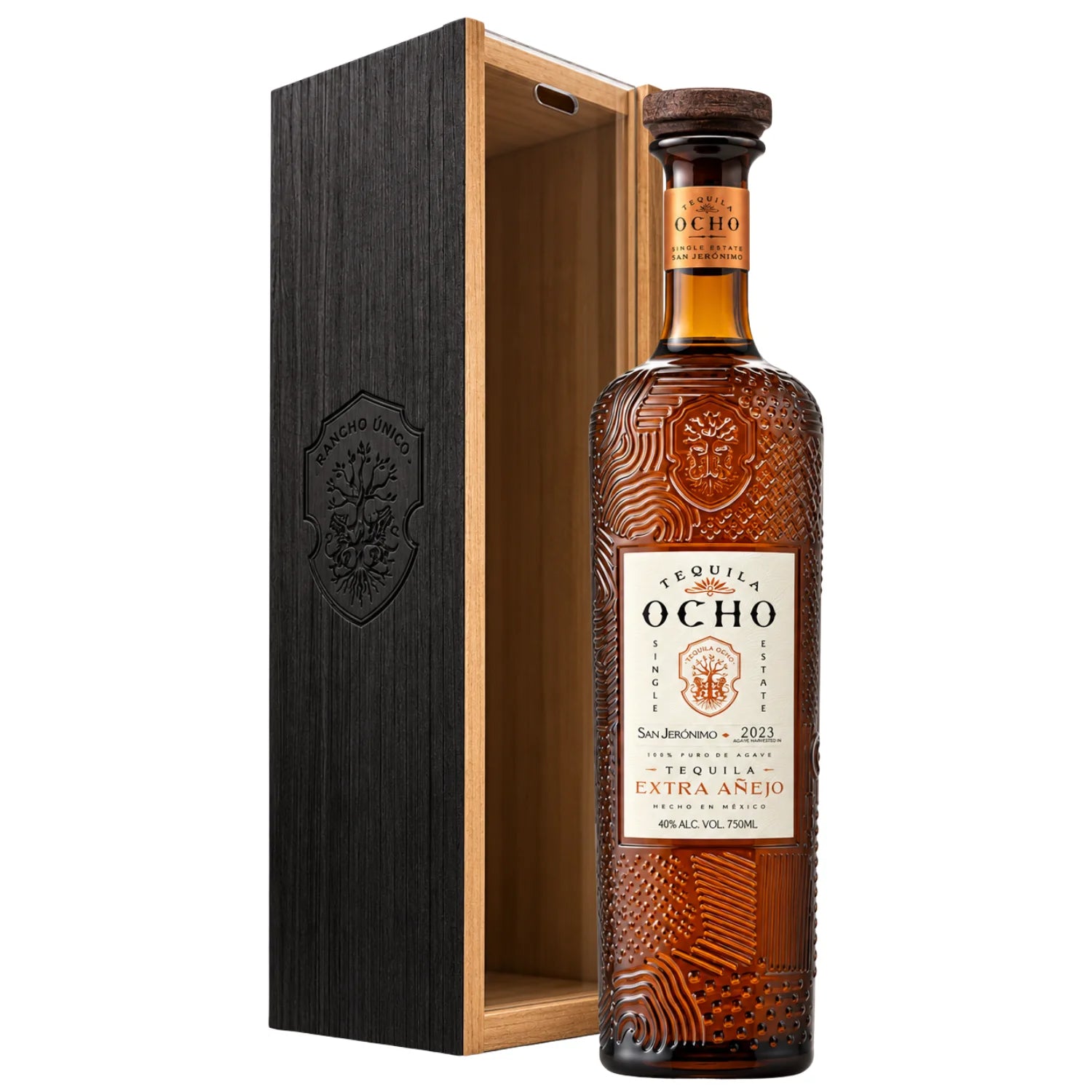
A bottle like the Tequila Ocho Reposado Barrel Proof La Mesa is a good example of how seriously some producers take this distinction. This spirit is a single-estate expression from Rancho La Mesa in the Los Altos Highlands, meaning every bottle comes from agave grown on that ranch. The result is a 101-proof reposado which features roasted agave sweetness, honeyed citrus, and peppery spice that reflect where the plant was grown and how it was distilled.

Tamaulipas is a region outside the traditional Jalisco zones that produces tequila under the denomination. Chinaco Añejo Tequila Vintage 2025 is one of the most historically significant bottles to come from that region, as it is produced at Tequilera La Gonzalena with agave grown and matured in the same location for over 50 years. 

The agricultural environment where this is grown is significantly different, as it features more leather, lemongrass, and herbal complexity than a typical Jalisco profile, and it is additive-free as well.   

Aging Categories Help to Create Distinct Expression

Mexican tequila’s wide range comes from the structured aging system that defines each category by law.

Blanco tequila is unaged or rested for fewer than 60 days, helping it deliver the clearest expression of the agave itself. The taste profile is typically vegetal, citrus-forward, and clean.

Reposado, on the other hand, is rested for 2 months to 1 year in oak barrels, and it is here that the agave character begins to soften and integrate with wood notes, vanilla, and light spice.

Añejo is where proper aging begins, as it ages for 1 to 3 years. The oak influence becomes more prominent here, and the tequila develops flavors like richer caramel, dried fruit, and extra chocolate notes. The Sangre De Vida Tequila Añejo is perhaps one of the cleanest examples of the Añejo, as it features 100% Blue Weber agave from Jalisco, is typically aged for 12 months in oak, is additive-free, and provides a taste profile that features honey, maple, vanilla, warm baking spice, and a smooth oak finish.

Extra añejo is for those who want to go the extra mile with aging, as its aging typically starts from 3 years and beyond, and as you can probably tell, it represents the most barrel-influenced tequila. The OctoBlue Tequila Extra Añejo Huichol falls within this category. The OctoBlue Tequila Extra Añejo is rich with caramel, cocoa, dried fruit, and vanilla. 

Plus, it also arrives in a handcrafted bottle inspired by Wirarxica indigenous artisan traditions, which is a testament to another dimension of Mexican tequila culture that extends well beyond the liquid inside.

Where to Explore Mexican Tequila

Feel free to browse the full tequila collection at The Barrel Tap, including hard-to-find Mexican expressions that are not commonly available in the US. If you are building a home bar and looking for a serious bottle to open, the collection covers everything from single-estate barrel-proof expressions to premium aged sippers that are worth your while.

A Brief History of Scotch Whisky and Its Timeless Appeal

There’s something about Scotch whisky that feels bigger than the drink itself. Maybe it’s the centuries of tradition behind it, the rugged landscapes where it’s made, or the way one sip can carry flavors of smoke, fruit, spice, and oak all at once.

Scotch doesn’t just taste distinctive; it feels connected to a place, a craft, and a way of doing things that’s survived for generations.

The history of Scotch whisky goes back hundreds of years, and while the category has evolved, its appeal hasn’t faded. If anything, Scotch has become even more respected around the world because it still holds onto the traditions that made people fall in love with it in the first place.

Where Scotch Whisky Began

The earliest written record of Scotch whisky dates back to 1494, though distillation in Scotland likely started long before that. Monks are often credited with bringing distillation techniques to Scotland, where the process slowly evolved into what would eventually become whisky as people know it today.

Back then, whisky was rough and usually made in small batches by farmers and local distillers. Over time, though, Scottish distillers refined their methods, learned how aging changed the spirit, and began creating whiskies with more depth and character.

That connection to craftsmanship is still part of Scotch whisky culture today. Bottles like Glenfarclas 17 Year Single Malt Scotch Whisky carry that old-school style forward with deeper sherry richness, warm spice, and the kind of layered character that shows how Scotch only grows more expressive with patience and time.

The Rise of Regional Styles

One of the things that makes Scotch whisky so fascinating is how different it can taste depending on where it’s made. Scotland’s whisky regions each developed their own personality over time, influenced by local ingredients, climate, water sources, and distilling traditions.

Speyside whiskies became known for elegance and fruit-forward character. Highland Scotch often leaned fuller and more robust. Islay whiskies built a reputation for bold smoke and peat that some drinkers instantly love, and others need time to understand.

That regional diversity is a huge reason Scotch stayed relevant for so long. There’s no single flavor profile that defines the category. Instead, Scotch offers an entire spectrum of styles.

That’s also why bottles like Bruichladdich The Classic Laddie feel so interesting today. It comes from Islay, a region famous for heavily peated whisky, but this expression skips the smoke and leans into floral, malty, citrus-driven flavors instead. It’s a reminder that Scotch keeps evolving while still respecting where it came from.

How Scotch Became a Global Icon

Scotch whisky really started gaining international momentum during the 19th century. Improvements in distillation technology, combined with growing export markets, helped Scotch spread far beyond Scotland.

Blended Scotch also played a massive role in that growth. By combining whiskies from different distilleries, producers created smoother and more approachable styles that appealed to a wider audience. Suddenly, Scotch wasn’t just for local drinkers or seasoned enthusiasts. It became something people around the world could enjoy.

Today, blending is still one of the most creative sides of Scotch whisky. Modern producers continue finding ways to balance tradition with fresh ideas, and that’s part of what keeps the category exciting.

A bottle like Compass Box Nectarosity Scotch Whisky shows how contemporary blending can still feel rooted in classic Scotch craftsmanship while bringing softer fruit, pastry, and honey-like notes into the mix. It’s approachable without losing character, which is exactly why so many newer whisky drinkers end up connecting with Scotch in the first place.

Why Scotch Whisky Still Feels Timeless

A lot of spirits go through trends. Scotch somehow manages to stay respected no matter what’s popular at the moment.

Part of that comes down to authenticity. Scotch whisky laws are strict, production methods are heavily protected, and many distilleries still rely on techniques passed down through generations. There’s history in the glass, and you can taste it.

Age also plays a role in Scotch’s reputation. Long maturation periods create deeper flavors and more complexity, but they also require patience. You can’t rush a great Scotch.

That’s part of the magic behind bottles like The Glenlivet 40 Year Old Single Malt Scotch Whisky. This isn’t just a luxury bottle; it represents decades of careful aging, attention, and trust in the process.

A Whisky Tradition Worth Exploring

The history of Scotch whisky is really the story of tradition adapting without losing its identity. From small rural distilleries centuries ago to globally respected single malts today, Scotch has evolved while still holding onto the craftsmanship that made it special from the beginning.

If you’re ready to explore that world for yourself, browse The Barrel Tap Scotch whisky collection and discover your next favorite dram.