
What is the Difference between Bourbon and Whiskey?

If you are a fan of brown spirits, you might have wondered what is the difference between bourbon and whiskey. Are they the same thing? Are they interchangeable? How do they taste different? In this article, we will answer all these questions and more, so you can enjoy your favorite drink with confidence and knowledge.

Here is a summary of what we will cover:

  • The definition and history of bourbon and whiskey
  • The main differences between bourbon and whiskey in terms of ingredients, production, and aging
  • The different types of whiskey from around the world, such as American whiskey, Scotch whisky, Irish whiskey, Japanese whisky, and Canadian whisky
  • The best brands of bourbon and whiskey to try from us, The Barrel Tap, an online liquor store that delivers all kinds of whiskey from around the world to your home

I. What Is Bourbon?

Bourbon is a type of American whiskey that has a distinct flavor and aroma. Bourbon must follow certain rules to be labeled as such, according to the U.S. Congress. These rules are:

  • Bourbon must be made in the U.S. (and 95% of it is made in Kentucky!)
  • Bourbon must be made from a fermented mash of at least 51% corn, though most are closer to 70% corn
  • Bourbon must be distilled at no more than 160 proof, and be stored at no more than 125 proof
  • Bourbon is aged for at least two years in a new, charred white oak barrel
  • Bourbon never contains additives, like color or flavor

Bourbon is named after Bourbon County, Kentucky, where it was first produced in the 18th century by settlers from Scotland and Ireland. Bourbon became popular after the American Revolution, when farmers found it easier to transport distilled corn than raw corn. Bourbon also gained fame during the Prohibition era, when it was legally produced for medicinal purposes.

It has a rich and smooth taste, with notes of vanilla, oak, caramel, and spice. It can be enjoyed neat or on the rocks, as well as in classic cocktails like the Mint Julep, the Old Fashioned, and the Manhattan. 

II. What Is Whiskey?

Whiskey is a distilled spirit made from grains like corn, rye, barley, or wheat. Whiskey is produced around the world, including in Scotland, Ireland, Japan, Canada, and the U.S. Whiskey can be unaged (as with moonshine), but most whiskey is aged in wooden barrels which darkens its color, imparts oak and wood flavor characteristics, and mellows out the harsh taste of alcohol.

There are many different types of whiskey, each with its own style and flavor profile. Some of the most common types are:

  • American whiskey: This category includes bourbon, as well as other whiskeys that are made from different grains or aged in different barrels. For example, rye whiskey is made from at least 51% rye and has a spicy and peppery taste. Tennessee whiskey is similar to bourbon but undergoes an additional charcoal filtering process that makes it smoother and sweeter.
  • Scotch whisky: This is whisky that is made in Scotland from malted barley. Scotch whisky can be single malt (made by one distillery) or blended (made from a mix of different whiskies). Scotch whisky is aged for at least three years in oak barrels that have been previously used for other spirits like sherry or bourbon. Scotch whisky has a smoky and peaty taste, due to the use of peat to dry the malted barley.
  • Irish whiskey: This is made in Ireland from malted or unmalted barley. Irish whiskey can be single malt (made by one distillery) or blended (made from a mix of different whiskeys). Irish whiskey is aged for at least three years in oak barrels that have been previously used for other spirits like bourbon or sherry. Irish whiskey has a smooth and fruity taste, due to the use of triple distillation and pot stills.
  • Japanese whisky: Made in Japan from malted barley. Japanese whisky can be single malt (made by one distillery) or blended (made from a mix of different whiskies). Japanese whisky is aged for at least three years in oak barrels that have been previously used for other spirits like sherry or bourbon. Japanese whisky has a delicate and floral taste, due to the use of pure water sources and meticulous craftsmanship.
  • Canadian whisky: Made from various grains like corn, rye, barley, or wheat. Canadian whisky can be single grain (made from one type of grain) or blended (made from a mix of different grains). Canadian whisky is aged for at least three years in oak barrels that have been previously used for other spirits like bourbon or sherry. Canadian whisky has a light and smooth taste, due to the use of column stills and high-proof distillation.

You might have noticed that some countries spell whiskey with an “e” and some spell whisky without an “e”. This is mainly a matter of tradition and preference, but there is a general rule that can help you remember: countries that have an “e” in their name (like the United States and Ireland) spell whiskey with an “e”, while countries that do not have an “e” in their name (like Scotland and Japan) spell whisky without an “e”.

III. What Are the Main Differences Between Bourbon and Whiskey?

The main differences between bourbon and whiskey are the kind of grain used, the place of origin, and the type of barrel used for aging. Here is a table that summarizes these differences:

Bourbon Whiskey
Made from at least 51% corn Made from various grains like corn, rye, barley, or wheat
Made in the U.S. Made in various countries like Scotland, Ireland, Japan, Canada, or the U.S.
Aged in new, charred oak barrels Aged in used oak barrels that have been charred or not


These differences affect the taste and aroma of bourbon and whiskey, as well as the price and availability. Bourbon tends to have a sweeter and smoother taste than whiskey, due to the high corn content and the new oak barrels. Whiskey tends to have a more complex and diverse taste than bourbon, due to the different grains and the used oak barrels.

Bourbon is usually more expensive than whiskey, due to the higher production costs and the limited supply. Whiskey is usually more accessible than bourbon, due to the wider distribution and the larger variety.

IV. What Are the Best Brands of Bourbon and Whiskey to Try?

If you are looking for a great bourbon or whiskey to try, you can find some of the best brands at The Barrel Tap, an online liquor store that delivers liquor and beer to your home. The Barrel Tap sells all types of spirits from around the world, and has some of the most competitive prices in the market.

Here are some of our recommendations for bourbon and whiskey lovers:

Starting with Bourbon

Bourbon Whiskey

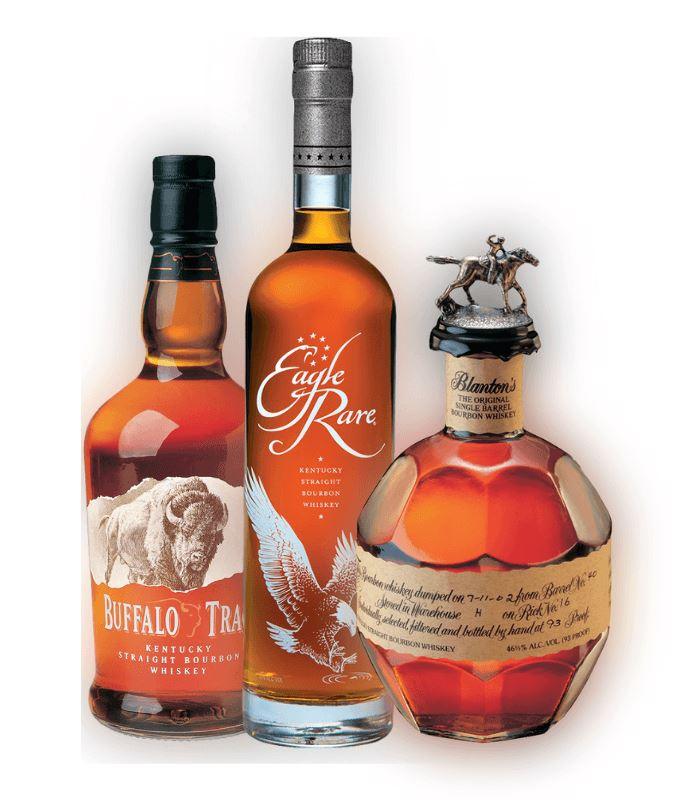
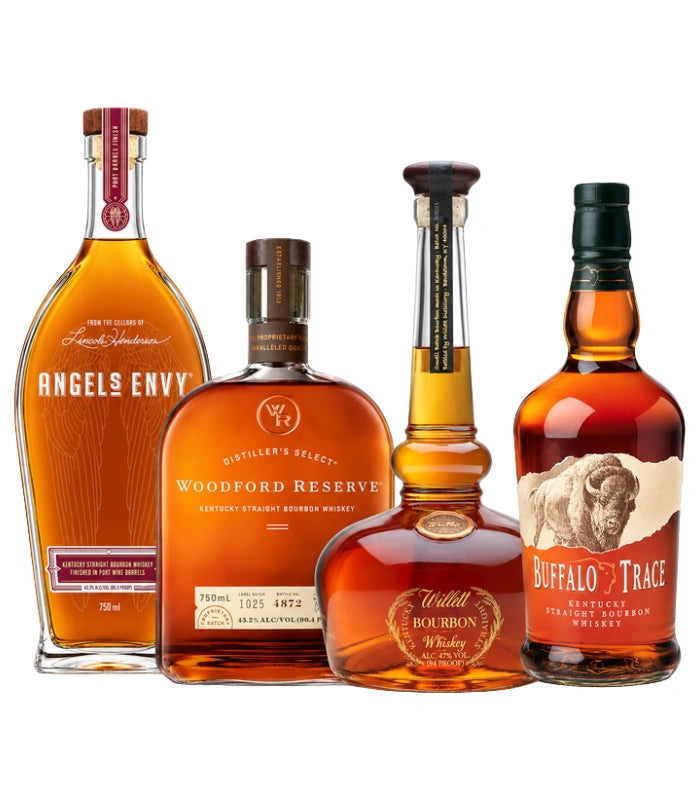
  • Buffalo Trace: A timeless bourbon showcasing a harmonious blend of vanilla, caramel, spice, and oak. Crafted from corn, rye, and malted barley, it’s matured for over eight years in new charred oak barrels. Ideal for both sipping or weaving into cocktails.

  • Old Forester: With a storied past, this bourbon delights with a rich tapestry of brown sugar, chocolate, orange, and cinnamon. A blend of corn, rye, and malted barley, it’s barrel-aged for four years. Perfectly suited for a chilled drink or a classic Old Fashioned.

  • Jim Beam: This is the most popular bourbon in America, it’s deliciously sweet with hints of honey, vanilla, corn, and oak. Composed of corn, rye, and malted barley, and aged for a minimum of four years. Whether neat or blended, it shines.

  • Woodford Reserve: An exquisite bourbon, it unfurls with notes of citrus, caramel, chocolate, spice, and leather. Derived from corn, rye, and malted barley, it boasts of at least six years of aging. A delight to relish pure or over ice.

  • Maker’s Mark: Singular in its taste, it serenades with caramel, vanilla, nutmeg, and cherry. Distinctively using corn, wheat, and malted barley, and aging for six years. Its elegance is best appreciated neat or chilled.

Now for whiskey/whisky

Whiskey | Whisky

  • Jack Daniel’s: A legendary Tennessee whiskey with sweet undertones of caramel, vanilla, banana, and a smoky hint. Crafted using corn, rye, and malted barley, it undergoes charcoal filtering pre-aging.
  • George Dickel: A spicy Tennessee twist, with robust flavors of pepper, cinnamon, honey, and oak. Made similarly to Jack, it offers unique smoothness. Perfect for pure sips or cocktail blends.
  • The Macallan: An iconic Scotch whisky, radiating with dried fruits, sherry, vanilla, and wood nuances. Malted barley aged for 12 years in sherry oak barrels is its secret.
  • The Balvenie: Another captivating Scotch, with layers of honey, vanilla, malt, and oak. Matured from malted barley for 12 years in bourbon and sherry barrels.
  • Jameson: This is a popular Irish whiskey that is smooth and fruity, with notes of apple, pear, spice, and wood. Jameson is made from malted and unmalted barley, and is aged for at least four years in used bourbon and sherry oak barrels. Jameson is versatile for drinking neat or mixing in cocktails.
  • Redbreast: This is a premium Irish whiskey that is smooth and creamy, with notes of dried fruits, nuts, spice, and wood. Redbreast Whiskey is made from malted and unmalted barley, and is aged for at least 12 years in used bourbon and sherry oak barrels.
  • Hibiki: This is a refined Japanese whisky that is smooth and floral, with notes of citrus, peach, rose, and wood. Hibiki Japanese Harmony Whisky is made from malted barley, and is a blend of various whiskies aged in different types of barrels.
  • Nikka Whisky: Another Japanese gem, smoky with apple, pear, and peat notes. A malted concoction blended from various aged whiskies. Ideal for neat or chilled sips.
  • Crown Royal: This is a famous Canadian whisky that is smooth and sweet, with notes of caramel, vanilla, maple, and oak. Crown Royal is made from various grains like corn, rye, barley, or wheat, and is aged for at least three years in used bourbon oak barrels.
  • Pendleton: A Canadian treat, spiced with honey, orange, and ginger. Crafted from a grain blend and matured for three years. Best experienced neat or in a cocktail fusion.

These are just some of the amazing brands of bourbon and whiskey that you can find at The Barrel Tap. You can browse our whiskey collection [here] to see the full selection of whiskey/whisky from around the world. You can also order online and get your bottle delivered to your doorstep in no time.

We hope this article has helped you understand the difference between bourbon and whiskey, as well as the different types of whiskey from around the world. Whether you prefer bourbon or whiskey, you can always find something to suit your taste buds at The Barrel Tap. Cheers!

Please sip responsibly!


Moscow Mule Cocktail Recipe

If you are looking for a refreshing and easy-to-make cocktail, you can’t go wrong with a Moscow Mule. This classic drink is made with vodka, ginger beer, and lime juice, and it is one of the most popular cocktails in the world. The Moscow Mule has a spicy and tangy flavor that is perfect for any occasion, whether it is a summer party, a winter night, or a casual get-together.

The Moscow Mule was invented in the 1940s by three people who wanted to promote their products: vodka, ginger beer, and copper mugs. They combined their ingredients into a new drink and named it after the Russian origin of vodka and the kick of ginger beer. They also took pictures of celebrities holding copper mugs and distributed them to bars and magazines. The drink became a sensation and helped popularize vodka in America.

It is traditionally served in a copper mug to keep it cold and enhance the flavor. However, you can also use a highball glass or any other container you like. The important thing is to use high-quality ingredients and follow the simple steps below to make a delicious Moscow Mule at home.

What You Need to Make a Moscow Mule

To make a Moscow Mule, you will need the following ingredients and equipment:

  • Vodka: The main spirit of the drink, which can be any brand or type of vodka. However, some of the best vodkas for Moscow Mules are Tito’s Handmade Vodka, Grey Goose, Absolut, Stolichnaya, Ciroc Vodka, and one of our personal favorites, Beluga Noble Export. These vodkas are smooth, crisp, and mix well with ginger beer and lime juice.
  • Ginger Beer: The mixer that gives the drink its spicy and refreshing taste. Ginger beer is a fermented beverage made with ginger, sugar, yeast, and water. It is different from ginger ale, which is a carbonated soft drink flavored with ginger. Some of the best ginger beers for Moscow Mules are Fever Tree, Cock n Bull, Gosling’s, and Bundaberg. These ginger beers are spicy, fizzy, and have a natural ginger flavor.
  • Lime Juice: A citrus element that adds a touch of acidity and brightness to the drink. Lime juice can be freshly squeezed or bottled, but fresh lime juice is preferred for its freshness and flavor. One lime can yield about 1 ounce of juice, which is enough for one drink.
  • Copper Mug: The vessel that holds the drink and keeps it cold. Copper mugs are not essential for making a Moscow Mule, but they are part of the tradition and appeal of the drink. Copper mugs have a thermal conductivity that helps keep the drink chilled and also enhances the flavor of the ginger beer and lime juice. Copper mugs can be plain or engraved, but they should have a handle to prevent heat transfer from the hand.
  • Ice Cubes: The cooling agent that keeps the drink cold and dilutes it slightly. Ice cubes can be regular or crushed, but crushed ice is preferred for its faster cooling effect and texture. Fill the copper mug with ice cubes before adding the other ingredients.

How to Make a Moscow Mule

Making a Moscow Mule is very easy and quick. You just need to follow these steps:

  • Fill a copper mug with ice cubes.
  • Pour 2 ounces of vodka over the ice.
  • Squeeze half a lime over the vodka and drop the lime wedge into the mug.
  • Top up with 4 ounces of ginger beer and stir gently.
  • Garnish with a lime slice or a sprig of mint if desired.
  • Enjoy your Moscow Mule!
Key Points
A Moscow Mule is a classic cocktail made with vodka, ginger beer, and lime juice. It is traditionally served in a copper mug to keep it cold and enhance the flavor. To make a Moscow Mule, you need to fill a copper mug with ice cubes, pour 2 ounces of vodka over the ice, squeeze half a lime over the vodka, top up with 4 ounces of ginger beer, stir gently, and garnish with a lime slice or mint.


Variations of Moscow Mules

One of the great things about Moscow Mules is that you can customize them to suit your preferences or mood. You can change the type of spirit, mixer, or garnish to create different versions of the drink. Here are some of the most popular variations of Moscow Mules:

  • Kentucky Mule: Substitute bourbon for vodka for a warmer and richer flavor.
  • Dark and Stormy: Substitute dark rum for vodka for a sweeter and spicier flavor.
  • Mexican Mule: Substitute tequila for vodka for a more herbal and earthy flavor.
  • Irish Mule: Substitute Irish whiskey for vodka for a smoother and creamier flavor.
  • French Mule: Substitute champagne for ginger beer for a more elegant and bubbly flavor.

Benefits of Drinking Moscow Mules

Drinking Moscow Mules can have some positive effects on your health and mood, thanks to the ingredients they contain. Here are some of the benefits of drinking Moscow Mules:

  • Ginger Beer: Ginger beer obviously has ginger, which has anti-inflammatory, anti-nausea, and digestive properties. Ginger can help relieve pain, nausea, indigestion, and bloating. Ginger can also boost immunity, metabolism, and circulation.
  • Lime Juice: Lime juice contains vitamin C, which is an antioxidant that can help fight infections, scurvy, and scurvy-related diseases. Vitamin C can also help improve skin health, collagen production, and wound healing. Lime juice can also help balance pH levels, detoxify the body, and prevent kidney stones.
  • Copper Mug: Copper mug can help kill bacteria, viruses, and fungi that may contaminate the drink. Copper can also help regulate thyroid function, iron absorption, melanin production, and brain activity.

History of Moscow Mules

The Moscow Mule is a drink with a fascinating history that dates back to the 1940s. The drink was created by three people who wanted to promote their products: vodka, ginger beer, and copper mugs. They were:

  • John G. Martin: A liquor distributor who bought the rights to Smirnoff vodka in 1939. He was looking for a way to sell more vodka in America, where whiskey was more popular.
  • Jack Morgan: A bar owner who made his own ginger beer in 1941. He was looking for a way to sell more ginger beer in his pub, the Cock ‘n Bull in Los Angeles.
  • Sophie Berezinski: A Russian immigrant who brought over 2,000 copper mugs from her father’s factory in 1946. She was looking for a way to sell more copper mugs in America, where they were not in demand.

The three met at the Cock ‘n Bull pub and decided to combine their products into a new drink. They named it Moscow Mule after the Russian origin of vodka and the kick of ginger beer. They also took pictures of celebrities holding copper mugs and distributed them to bars and magazines. The drink became a sensation and helped popularize vodka in America.

Tips for Making the Best Moscow Mules

To make the best Moscow Mules possible, you should follow these tips:

  • Use high-quality ingredients: Choose a premium vodka that suits your preference and budget. Use a spicy ginger beer that has a natural ginger flavor and no artificial sweeteners. Use fresh lime juice that is squeezed right before making the drink.
  • Chill your ingredients: Keep your vodka, ginger beer, and lime juice in the refrigerator until ready to use. This will help keep your drink cold and refreshing.
  • Use a jigger or a measuring cup: Measure your ingredients accurately to get the right balance of flavors. The standard ratio for a Moscow Mule is 2 parts vodka, 1 part lime juice, and 4 parts ginger beer.
  • Use crushed ice: Fill your copper mug with crushed ice instead of regular ice cubes. Crushed ice will cool your drink faster and create a slushy texture that is more enjoyable to sip.
  • Stir gently: Stir your drink gently with a spoon or a straw to mix the ingredients without losing too much carbonation from the ginger beer.
  • Garnish creatively: Add some flair to your drink by garnishing it with a lime slice or a sprig of mint. You can also try other garnishes such as cucumber slices, berries, candied ginger, or edible flowers.

Frequently Asked Questions about Moscow Mules

Many people have some common queries about Moscow Mules and their answers. Here are some of the most frequent questions and answers about Moscow Mules:

  • Q: What is the reason for serving Moscow Mules in copper mugs?
    • A: Moscow Mules are served in copper mugs for two reasons: tradition and taste. Copper mugs are part of the history and identity of the drink since they were used by the original creators to market it. Copper mugs also improve the taste of the drink by keeping it cold and bringing out the flavor of the ginger beer and lime juice.
  • Q: How are ginger beer and ginger ale different?
    • A: Ginger beer and ginger ale are both carbonated beverages flavored with ginger, but they are different in how they are made and how they taste. Ginger beer is a fermented drink made with ginger, sugar, yeast, and water. It has a stronger and spicier ginger flavor than ginger ale. Ginger ale is a soft drink made with carbonated water, sugar or artificial sweeteners, and ginger extract or syrup. It has a milder and sweeter ginger flavor than ginger beer.
  • Q: Is it possible to make my own ginger beer?
    • A: Yes, you can make your own ginger beer at home with some simple ingredients and equipment. You will need fresh ginger root, sugar, lemon juice, water, yeast, and a glass jar or bottle. You can follow this [recipe] to make your own ginger beer in about a week.
  • Q: How long can a Moscow Mule stay in the fridge?
    • A: A Moscow Mule can stay in the fridge for up to 24 hours, but it is best to drink it as soon as possible. The longer it stays in the fridge, the more it will lose its carbonation, flavor, and freshness. If you want to make a Moscow Mule ahead of time, you can prepare the vodka and lime juice mixture in advance and store it in an airtight container in the fridge. Then, when you are ready to serve, just add the ginger beer and ice.

How to Serve Moscow Mules

Serving Moscow Mules is easy and fun. You can serve them in different ways depending on the occasion and your preference. Here are some of the ways you can serve Moscow Mules:

  • As a single drink: You can serve a Moscow Mule as a single drink for yourself or for someone else. Just follow the steps above to make one drink in a copper mug or a highball glass. You can also add a straw or a stirrer for convenience.
  • As a batch drink: Big party? It can also served as a batch drink for a group of people of your desired quantity. Just multiply the ingredients by the number of drinks you want to make and mix them in a large pitcher or jug. Then, pour the mixture into individual copper mugs or glasses filled with ice. You can also garnish each drink with a lime slice or mint.
  • As a punch drink: Great as a punch drink for a large crowd or for an event. Just combine the ingredients in a large punch bowl or dispenser and add ice cubes or an ice ring to keep it cold. You can also add some sliced fruits such as oranges, lemons, limes, or apples to add some color and flavor. You can also provide some cups or mugs for people to serve themselves.

Cheers to your New, Fun Mixed Drink!

A Moscow Mule is a classic cocktail that is easy to make and delicious to drink. It is made with vodka, ginger beer, and lime juice, and it is traditionally served in a copper mug. It has a spicy and tangy flavor that is perfect for any occasion. You can also customize it by changing the type of spirit, mixer, or garnish. You can also enjoy some of the benefits of drinking Moscow Mules, such as the anti-inflammatory, anti-nausea, and digestive properties of ginger beer, the antioxidant and vitamin C benefits of lime juice, and the antibacterial and thyroid benefits of copper mug. However, you should also be aware of some of the risks of drinking Moscow Mules, such as the alcohol, sugar, and copper toxicity effects. Drink responsibly and moderately, and have fun with your Moscow Mules!


Skrewball Peanut Butter Whiskey Recipes

If you are looking for a unique and delicious spirit to enjoy, you might want to try Skrewball Peanut Butter Whiskey. This smooth and nutty flavored whiskey is made with natural flavors and no artificial sweeteners, making it a quality product that is gluten-free and vegan-friendly. You can enjoy Skrewball Peanut Butter Whiskey on the rocks, neat, or in simple drinks like soda or coffee, as well as in more complex and creative recipes that will be presented in this article.


Skrewball Peanut Butter Whiskey is available here, at The Barrel Tap, an online liquor store that sells all kinds of spirits and even beer, at a competitive price and with careful and fast shipping. You can order Skrewball Peanut Butter Whiskey from the website by clicking [here].

A Little Background Information

What Why
Skrewball Peanut Butter Whiskey is a smooth and nutty flavored whiskey that can be mixed with various ingredients to create delicious cocktails. This adds a sweet and creamy dimension to your drinks, making them more enjoyable and satisfying.
Skrewball is made with natural flavors and no artificial sweeteners, making it a quality product that is gluten-free and vegan-friendly. Makes it suitable for people with dietary restrictions or preferences, as well as for those who care about the ingredients they consume.
It can be enjoyed on the rocks, neat, or in simple drinks like soda or coffee, as well as in more complex and creative recipes that will be presented in this article. This gives it a versatile and adaptable addition to your taste and mood. You can experiment with different combinations and discover new flavors and sensations.

How to Make Skrewball Peanut Butter Whiskey Drinks

Making Skrewball Peanut Butter Whiskey drinks is easy and fun. Here are some basic steps and tips for making the best drinks possible:

  • Use a cocktail shaker to mix the ingredients well and create a frothy texture. A cocktail shaker is a metal container with a lid that has a strainer on top. You can fill it with ice cubes and the ingredients you want to mix, then shake it vigorously until the outside of the shaker feels cold.
  • Use ice cubes or crushed ice to chill the drinks and dilute the alcohol content. Ice cubes are solid pieces of frozen water that you can add to your glass or shaker. Crushed ice is ice that has been broken into smaller pieces, either by hand or by a machine. Crushed ice melts faster than ice cubes, so it cools the drinks quicker and makes them less strong.
  • Use a strainer to pour the drinks into glasses and avoid any chunks or pulp. A strainer is a metal device with holes that fits on top of the cocktail shaker or a glass. It helps you filter out any unwanted solids from your drinks, such as fruit seeds, pulp, or herbs.
  • Garnish the drinks with whipped cream, chocolate syrup, peanut butter cups, or other toppings to enhance the flavor and appearance. A garnish is an edible decoration that you can add to your drinks to make them look more appealing and tasty. You can use whipped cream, chocolate syrup, peanut butter cups, fresh fruits, mint leaves, or anything else you like.

Now that you know how to make Skrewball Peanut Butter Whiskey drinks, let’s take a look at some of the recipes that you can try at home.

Skrewball White Russian

A White Russian is a creamy and decadent drink that combines vodka, coffee liqueur, and cream. By adding Skrewball, you can make it even more delicious and nutty.

Here are the ingredients and measurements for making one serving of Skrewball White Russian:

  • 1 oz Skrewball Peanut Butter Whiskey
  • 1 oz vodka
  • 1 oz coffee liqueur
  • 2 oz heavy cream

Here are the instructions for making Skrewball White Russian:

  • Fill a cocktail shaker with ice cubes and add Skrewball Peanut Butter Whiskey, vodka, and coffee liqueur. Shake well until chilled and combined.
  • Fill a rocks glass with ice cubes and strain the mixture into the glass.
  • Top with heavy cream and stir gently to create swirls.
  • Enjoy your Skrewball White Russian.

Skrewball White Russian is an ideal drink for a cozy night in or a special occasion. It has a smooth and rich flavor that will satisfy your sweet tooth and warm you up.

Peanut Butter and Jelly Cocktail

A Peanut Butter and Jelly Cocktail is a sweet and fruity drink that mimics the classic sandwich flavor with Skrewball and raspberry liqueur. It is a refreshing and fun drink that will remind you of your childhood.

Here are the ingredients and measurements for making one serving of Peanut Butter and Jelly Cocktail:

  • 2 oz Skrewball Peanut Butter Whiskey
  • 1 oz raspberry liqueur
  • 3 oz cranberry juice
  • Fresh raspberries for garnish

As far as instructions for making Peanut Butter and Jelly Cocktail:

  • Fill a cocktail shaker with ice cubes and add Skrewball Whiskey, raspberry liqueur, and cranberry juice. Shake well until chilled and combined.
  • Fill a highball glass with ice cubes and strain the mixture into the glass.
  • Garnish with fresh raspberries on a skewer or toothpick.
  • Enjoy your Peanut Butter and Jelly Cocktail.

This is a such a great mixed drink for a sunny day or a picnic. It has a sweet and tangy flavor that will quench your thirst and make you smile.

Peanut Butter Cup Cocktail

A Peanut Butter Cup Cocktail is a rich and indulgent drink that blends our main spirit of choice with chocolate liqueur and cream. It is a decadent dessert drink that will satisfy your chocolate cravings.

Ingredients and measurements for making one serving of this cocktail:

  • 2 oz Skrewball Peanut Butter Whiskey
  • 1 oz chocolate liqueur
  • 2 oz half-and-half
  • Chocolate syrup for drizzling
  • Reese’s peanut butter cups for garnish

Now for the instructions for making Peanut Butter Cup Cocktail:

  • Fill a cocktail shaker with ice cubes and add Skrewball, chocolate liqueur, and half-and-half. Shake well until chilled and combined.
  • Drizzle some chocolate syrup on the inside of a martini glass.
  • Strain the mixture into the glass.
  • Garnish with Reese’s peanut butter cups on a skewer or toothpick.
  • Enjoy your Peanut Butter Cup Cocktail.

Peanut Butter Cup Cocktail is a perfect drink for a special treat or a celebration. It has a smooth and creamy flavor that will melt in your mouth and make you feel happy.

Skrewball Peanut Butter Whiskey Milkshake

We know you’re craving a creamy and delicious drink that combines Skrewball with vanilla ice cream, milk, and peanut butter. It is a simple and easy drink that you can make in minutes with a blender.

Ingredients and measurements:

  • 2 oz Skrewball Peanut Butter Whiskey
  • 2 scoops of vanilla ice cream
  • 1/4 cup of milk
  • 2 tablespoons of peanut butter
  • Whipped cream for topping

These are the instructions for making this mouth-watering (and fun) milkshake:

  • Add Skrewball Peanut Butter Whiskey, vanilla ice cream, milk, and peanut butter to a blender. Blend until smooth and frothy.
  • Pour the mixture into a tall glass.
  • Top with whipped cream and enjoy your Skrewball Peanut Butter Whiskey Milkshake.

If you are looking for a drink for a hot day or a snack, you cannot go wrong with this. It has a thick and creamy texture that will cool you down and fill you up.

Skrewball Peanut Butter Old Fashioned

A Skrewball Peanut Butter Old Fashioned is a classic and sophisticated drink that mixes Skrewball with bitters, sugar, and orange peel. It is a strong and smooth drink that will impress your guests.

Ingredients and measurements for making one serving:

  • 2 oz Skrewball Peanut Butter Whiskey
  • 2 dashes of Angostura bitters
  • 1 teaspoon of sugar
  • 1 orange peel

Here are the instructions for making Skrewball Peanut Butter Old Fashioned:

  • Add sugar and bitters to an old fashioned glass. Stir until the sugar dissolves.
  • Add ice cubes to the glass and pour Skrewball Peanut Butter Whiskey over them.
  • Twist an orange peel over the glass to release its oils and drop it into the drink.
  • Enjoy your Skrewball Peanut Butter Old Fashioned.

Conclusion

Skrewball Peanut Butter Whiskey is an amazing spirit that can be enjoyed in many ways. Whether you prefer simple or elaborate drinks, sweet or bitter flavors, creamy or refreshing textures, you can find a recipe that suits your taste. You can also experiment with your own ingredients and create your own Skrewball drinks.

Your family and friends are going to love how these drinks will come out and you just might be the family bartender from now on, if you aren’t already! Ready to relish in some peanut butter whiskey? Order Skrewball from us and we will ship it right to your doorstep!

We hope you enjoyed this article and learned some new Skrewball Peanut Butter Whiskey recipes. Cheers! 

Please drink responsibly!

The Difference Between Champagne and Sparkling Wine Explained

If you are a fan of bubbly drinks, you may have wondered what is the difference between champagne and sparkling wine. Are they the same thing? Are they interchangeable? How do you choose the best one for your taste and occasion?

In this article, we will answer all these questions and more. We will explain the main difference between champagne and sparkling wine based on the region of origin and the production method. We will also introduce some of the most popular brands of champagne and sparkling wine that are available here, at The Barrel Tap, such as Dom Perignon, Möet & Chandon, Veuve Clicquot, Perrier Jouet, Luc Belaire, Chandon, Ruffino, Wilson Creek, and La Marca. We will also cover the topics of history, characteristics, styles, food pairings, serving tips, health benefits and risks, fun facts and trivia, and how to choose champagne and sparkling wine.

Key Takeaways

Champagne

Sparkling Wine

A type of sparkling wine that is made exclusively in the Champagne region of France

A generic term for any wine that has bubbles or carbonation

Made from three main grape varieties: Chardonnay, Pinot Noir, and Pinot Meunier

Made from various grape varieties depending on the region and style

Produced by the traditional method (méthode champenoise) that involves a second fermentation in the bottle

Produced by various methods that can involve fermentation in tanks, bottles, or cans

Has a protected designation of origin (PDO) that regulates the quality, production, and labeling of champagne

Has different classifications and regulations depending on the country and region of origin

Usually more expensive, complex, and prestigious than sparkling wine

Usually cheaper, simpler, and more accessible than champagne

History of Champagne and Sparkling Wine

The origins of champagne and sparkling wine can be traced back to the ancient Romans, who were the first to cultivate grapes and make wine in the Champagne region of France. However, the bubbles in the wine were not intentional at first. They were caused by a natural phenomenon called malolactic fermentation, which occurs when bacteria convert malic acid into lactic acid and carbon dioxide. This process can happen during or after the primary fermentation of the wine, depending on the temperature and conditions.

The bubbles were considered a flaw or a defect by the early winemakers, who tried to prevent or eliminate them. They also posed a risk of exploding the bottles or corks due to the pressure. It was not until the 17th century that some winemakers started to appreciate and embrace the bubbles as a unique feature of their wines.

One of the most influential figures in the history of champagne was Dom Perignon, a Benedictine monk who was in charge of the cellars at the Abbey of Hautvillers. He is credited with improving the quality and consistency of the wines from Champagne by introducing techniques such as blending grapes from different vineyards, using cork stoppers, adding sugar to induce secondary fermentation, and riddling (rotating) the bottles to remove sediment.

Another important figure was Madame Clicquot, also known as the “Grande Dame of Champagne”. She was the widow of François Clicquot, who inherited his family’s wine business in 1805. She was one of the first women to run a major champagne house, and she made significant innovations in the production and marketing of champagne. She invented the pupitre (a wooden rack for holding bottles at an angle) and the remuage (a process of turning and shaking bottles to move sediment to the neck). She also created the first vintage champagne in 1810, and expanded her brand to international markets.

The history of champagne and sparkling wine is also intertwined with social, political, and cultural events. For example, champagne was associated with the French aristocracy and royalty, until the French Revolution, when it became a symbol of liberty and democracy. Champagne was also used to celebrate victories and treaties during the Napoleonic Wars, the World Wars, and other conflicts. Champagne also influenced the arts and literature, as it was enjoyed and praised by writers such as Voltaire, Balzac, Poe, and Hemingway.

Sparkling wine also has a long and rich history in other parts of the world. For instance, in Spain, sparkling wine is known as cava, which originated in the Catalonia region in the late 19th century. Cava is made by the same method as champagne, but with different grape varieties, such as Macabeo, Parellada, and Xarel-lo. In Italy, sparkling wine is known as spumante, which can be made by various methods and grape varieties. One of the most famous examples is prosecco, which is made from the Glera grape in the Veneto region. In Germany, sparkling wine is known as sekt, which is usually made from Riesling or other white grapes. In the United States, sparkling wine is produced in many states, especially California, where it was introduced by European immigrants in the 19th century.

Characteristics of Champagne and Sparkling Wine

Champagne and sparkling wine have some common characteristics that make them different from still wines. These include:

  • Color: Champagne and sparkling wine can range from pale yellow to golden to pink to red, depending on the grape varieties and the skin contact during fermentation. The color can also be affected by the aging process and the addition of dosage (a mixture of wine and sugar) at the end.
  • Aroma: Champagne and sparkling wine have complex and diverse aromas that can include fruits, flowers, nuts, bread, honey, caramel, vanilla, and more. The aromas can also change over time as the wine matures and develops secondary and tertiary notes.
  • Flavor: Champagne and sparkling wine have crisp and refreshing flavors that can vary from dry to sweet, from light to full-bodied, from simple to complex. The flavors can also reflect the aromas and the terroir (the environmental factors that influence the grapes).
  • Texture: Champagne and sparkling wine have a lively and fizzy texture that is created by the bubbles or carbonation in the wine. The bubbles can also affect the mouthfeel and the perception of acidity and sweetness.
  • Acidity: Champagne and sparkling wine have high levels of acidity that balance the sweetness and alcohol in the wine. The acidity also contributes to the freshness and longevity of the wine.
  • Sweetness: Champagne and sparkling wine have different levels of sweetness that are determined by the amount of sugar that is added before or after fermentation. The sweetness can also influence the body and flavor of the wine.
  • Alcohol: Champagne and sparkling wine have moderate levels of alcohol that range from 10% to 13% by volume. The alcohol can also affect the aroma and taste of the wine.

While champagne and sparkling wine share some characteristics, they also have some differences that distinguish them from each other. These include:

  • Bubbles: Champagne has finer, smaller, and more persistent bubbles than sparkling wine. This is because champagne undergoes a longer and slower secondary fermentation in the bottle, which produces more carbon dioxide and less pressure. Sparkling wine can have larger, coarser, and less lasting bubbles depending on the production method.
  • Aging: Champagne has a longer aging period than sparkling wine. This is because champagne is required by law to age for at least 15 months for non-vintage (NV) champagne and at least 36 months for vintage champagne. Sparkling wine can have a shorter or longer aging period depending on the style and regulation.
  • Complexity: Champagne has more complexity than sparkling wine. This is because champagne is made from grapes that are grown in a cooler climate and a chalky soil that impart more minerality and acidity to the wine. Champagne is also made from a blend of different grape varieties, vintages, and vineyards that add more diversity and nuance to the wine. Sparkling wine can have less complexity depending on the grape varieties, climate, soil, and blending practices.

Styles of Champagne and Sparkling Wine

Champagne and sparkling wine come in different styles that are based on various factors such as:

  • The sugar level or dosage: This determines how dry or sweet the champagne or sparkling wine is. The sugar level is measured in grams per liter (g/L) of residual sugar (RS), which is the amount of sugar that remains in the wine after fermentation. The common terms for describing the sugar level are: 

Term

RS (g/L)

Description

Extra Dry

12-17

Off-dry

Dry

17-32

Medium dry

Demi-Sec

32-50

Medium sweet

Doux

50+

Sweet

  • The color or skin contact: This determines the hue and intensity of the champagne or sparkling wine. The color can range from white to pink to red, depending on the type and amount of skin contact during fermentation. The common terms for describing the color are:

Term

Description

Blanc de Blancs

White from white, meaning that the champagne or sparkling wine is made from white grapes only, usually Chardonnay

Blanc de Noirs

White from black, meaning that the champagne or sparkling wine is made from black grapes only, usually Pinot Noir and/or Pinot Meunier

Rosé

Pink, meaning that the champagne or sparkling wine has a pink color that is obtained by one of two methods: either by blending a small amount of red wine with white wine, or by allowing a short period of skin contact between the juice and the skins of black grapes

  • The vintage or aging: This determines the age and maturity of the champagne or sparkling wine. The vintage can indicate the year or the period of time that the grapes were harvested and/or the wine was aged. The common terms for describing the vintage are:

Term

Description

Vintage

Meaning that the champagne or sparkling wine is made from grapes that were harvested in a single year, and that the wine was aged for at least three years for champagne and at least one year for sparkling wine

Non-Vintage (NV)

Meaning that the champagne or sparkling wine is made from a blend of grapes that were harvested in different years, and that the wine was aged for at least 15 months for champagne and at least nine months for sparkling wine

Prestige Cuvée

Meaning that the champagne or sparkling wine is the highest quality and most expensive product of a champagne house, usually made from the best grapes, vintages, and vineyards, and aged for longer than other wines

  • The production method or fermentation: This determines how the bubbles or carbonation are created in the champagne or sparkling wine. The production method can involve different techniques and equipment for fermenting and bottling the wine. The common terms for describing the production method are:

Term

Description

Méthode Champenoise or Méthode Traditionnelle

Meaning that the champagne or sparkling wine is produced by the traditional method that involves a second fermentation in the bottle, which creates natural bubbles and sediment. This method is used for all champagne and some sparkling wines, such as cava, crémant, and franciacorta

Charmat Method or Tank Method

Meaning that the champagne or sparkling wine is produced by a method that involves a second fermentation in a large tank, which creates artificial bubbles and no sediment. This method is used for some sparkling wines, such as prosecco, asti, and lambrusco

Ancestral Method or Pet-Nat Method

Meaning that the champagne or sparkling wine is produced by an ancient method that involves bottling the wine before the first fermentation is completed, which creates natural bubbles and sediment. This method is used for some natural and organic sparkling wines, such as pétillant-naturel, blanquette de Limoux, and clairette de Die

Food Pairings for Champagne and Sparkling Wine

Champagne and sparkling wine are versatile and adaptable drinks that can pair well with a variety of foods. Here are some general principles and tips for pairing champagne and sparkling wine with food:

  • Match the weight and intensity of the food and the wine. For example, pair light-bodied and delicate wines with light and delicate dishes, such as seafood, salads, and sushi. Pair full-bodied and complex wines with rich and flavorful dishes, such as meat, cheese, and spicy foods.
  • Match or contrast the acidity and sweetness of the food and the wine. For example, pair high-acidity wines with high-acidity foods, such as citrus fruits, tomatoes, and vinegar-based sauces. Or pair low-acidity wines with low-acidity foods, such as cream-based sauces, buttery dishes, and desserts. Alternatively, pair dry wines with sweet foods to balance each other out, such as brut champagne with chocolate cake.
  • Match or contrast the texture and temperature of the food and the wine. For example, pair fizzy wines with crispy foods to enhance the mouthfeel, such as extra dry sparkling wine with fried chicken. Or pair smooth wines with creamy foods to complement each other, such as demi-sec champagne with cheesecake. Alternatively, pair cold wines with hot foods to create a contrast, such as rosé sparkling wine with pizza.

Here are some specific dishes and cuisines that go well with different styles of champagne and sparkling wine:

Style

Food Pairing

Brut Nature

Oysters, caviar, sushi, sashimi, tartare

Extra Brut

Shellfish, smoked salmon, goat cheese, quiche

Brut

Eggs, chicken, turkey, ham, pasta, risotto

Extra Dry

Fried chicken, popcorn, chips, nachos, pizza

Dry

Asian cuisine, Indian cuisine, Thai cuisine, Mexican cuisine

Demi-Sec

Fruit salad, apple pie, cheesecake, crème brûlée

Doux

Chocolate cake, brownies, ice cream, candy

Blanc de Blancs

Seafood, salads, vegetables, tofu

Blanc de Noirs

Meat, cheese, mushrooms, truffles

Rosé

Salmon, duck, lamb, pork, berries

Vintage

Roast beef, roast lamb, roast turkey, roast chicken

Non-Vintage (NV)

Appetizers, snacks, finger foods, sandwiches

Prestige Cuvée

Lobster, foie gras, caviar, truffles

Serving Tips for Champagne and Sparkling Wine

Champagne and sparkling wine are best enjoyed when they are served properly. Here are some advice on how to store, chill, open, pour, and drink champagne and sparkling wine correctly:

  • Store champagne and sparkling wine in a cool and dark place away from heat and light sources. Avoid storing them in the refrigerator for too long as this can dry out the cork and affect the quality of the wine. Ideally, store them horizontally to keep the cork moist and prevent oxidation.
  • Chill champagne and sparkling wine in the refrigerator for about three to four hours before serving. Alternatively, chill them in an ice bucket filled with ice and water for about 20 to 30 minutes. Avoid freezing them as this can damage the bottle and the wine. The ideal serving temperature for champagne and sparkling wine is between 6°C and 10°C (43°F and 50°F).
  • Open champagne and sparkling wine carefully and safely. Remove the foil and the wire cage from the bottle. Hold the bottle at a 45-degree angle away from yourself and others. Place a towel or a napkin over the cork and hold it firmly with one hand. Twist the bottle gently with the other hand until the cork pops out with a soft hiss. Do not shake the bottle or point it at anyone as this can cause the cork to fly out with force and injure someone or waste the wine.
  • Pour champagne and sparkling wine slowly and steadily. Hold the bottle by the base with your thumb in the punt (the indentation at the bottom). Tilt the glass at a 45-degree angle and pour the wine along the side of the glass until it is about two-thirds full. Straighten the glass and let the bubbles settle before topping up. Do not fill the glass to the brim as this can reduce the aroma and flavor of the wine.
  • Drink champagne and sparkling wine with respect and moderation. Use a flute or a tulip glass to preserve the bubbles and enhance the aroma of the wine. Avoid using a coupe or a wide glass as this can cause the bubbles to dissipate quickly and reduce the aroma of the wine. Sip the wine slowly and savor the taste and texture. Do not drink too much or too fast as this can cause headaches, dehydration, or intoxication.

Health Benefits and Risks of Champagne and Sparkling Wine

Champagne and sparkling wine are not only delicious and festive drinks but also have some effects on human health. Here are some of the potential benefits and risks of moderate consumption of champagne and sparkling wine for various aspects of health:

  • Cardiovascular health: Champagne and sparkling wine contain antioxidants such as polyphenols that can protect the blood vessels from damage and inflammation. They also contain carbon dioxide that can lower blood pressure by dilating the blood vessels. Some studies have suggested that drinking one to two glasses of champagne or sparkling wine per day can reduce the risk of heart disease and stroke by up to 30% .
  • Cognitive function: Champagne and sparkling wine contain phenolic compounds such as resveratrol that can cross the blood-brain barrier and protect the brain cells from oxidative stress and neurodegeneration. They also contain ethanol that can enhance blood flow to the brain and improve cognitive performance. Some studies have suggested that drinking one to three glasses of champagne or sparkling wine per week can improve memory and delay dementia by up to five years .
  • Mood regulation: Champagne and sparkling wine contain chemicals such as serotonin that can stimulate the production of endorphins and dopamine in the brain and boost mood and happiness. They also contain bubbles that can enhance the absorption of alcohol and increase the feeling of euphoria and relaxation. Some studies have suggested that drinking champagne or sparkling wine can improve mood and reduce stress and anxiety by up to 50% .

However, champagne and sparkling wine also have some drawbacks and dangers that should not be ignored. These include:

  • Weight management: Champagne and sparkling wine contain calories that can add up quickly and contribute to weight gain and obesity. They also contain sugar that can spike blood glucose levels and cause cravings and hunger. One glass of champagne or sparkling wine can contain about 80 to 120 calories and 1 to 3 teaspoons of sugar .
  • Oral health: Champagne and sparkling wine contain acids that can erode the enamel of the teeth and cause tooth decay and sensitivity. They also contain sugars that can feed the bacteria in the mouth and cause plaque and cavities. One study found that drinking champagne or sparkling wine can lower the pH of the mouth by up to 1.5 units, which is enough to damage the teeth .
  • Liver health: Champagne and sparkling wine contain alcohol that can damage the liver cells and cause inflammation and scarring. They also contain toxins that can overload the liver and impair its function. Excessive or chronic consumption of champagne or sparkling wine can lead to liver diseases such as fatty liver, hepatitis, cirrhosis, and cancer .

Therefore, it is important to drink champagne and sparkling wine responsibly and moderately. The guidelines for safe alcohol intake vary depending on the country and the individual, but a general rule of thumb is to limit the consumption to one or two glasses per day for women and two or three glasses per day for men . It is also advisable to drink water, eat food, and brush teeth before and after drinking champagne or sparkling wine to prevent dehydration, intoxication, and oral problems.

Conclusion

Champagne and sparkling wine are two types of bubbly drinks that have many things in common but also some key differences. The main difference is that champagne is made only in the Champagne region of France, while sparkling wine can be made anywhere in the world. They also differ in their production methods, aging periods, and complexity levels.

They are versatile and adaptable drinks that can pair well with various foods and occasions. They can also have some effects on human health, both positive and negative, depending on how much and how often you drink them.

If you want to explore, experiment, and enjoy champagne and sparkling wine responsibly and moderately, visit thebarreltap.com and order from a wide range of brands and products. Cheers! 🥂


Negroni Cocktail Recipe: A Timeless Classic To Celebrate Life’s Moments

Discover the allure and mystique of a classic Negroni cocktail, a drink that has stood the test of time and continues to be a beloved choice for many. This piece will navigate you through:

  • The storied history of the classic Negroni.
  • Unveiling the quintessential Negroni cocktail recipe.
  • The beauty of the variations: exploring Negroni Sbagliato with Prosecco.
  • The magic trio: gin, Campari, and sweet vermouth.
  • How to elevate your Negroni with the right garnish and mixing technique.

I. The Storied History of the Classic Negroni

A. Origin Tale

The Negroni has a rich history dating back to the early 20th century Italy. Its creation is often attributed to Count Camillo Negroni, who purportedly asked his bartender to strengthen his favorite cocktail, the Americano, by replacing the soda water with gin. The result was a bold, balanced, and beautiful cocktail that quickly gained popularity.

B. Legacy and Revival

The Negroni has experienced a renaissance in recent years, with many contemporary bartenders and cocktail enthusiasts embracing its timeless appeal.

II. Unveiling the Quintessential Negroni Cocktail Recipe

A. The Core Ingredients

The classic Negroni recipe hinges on three core ingredients: gin, Campari, and sweet vermouth. At The Barrel Tap, you can find a curated selection of these essential spirits at competitive prices.

B. The Mixing Ritual

Employing a mixing glass, combine equal parts gin, Campari, and sweet vermouth. Stir well with ice and strain into a glass over fresh ice. Garnish with an orange peel to elevate the sensory experience.

III. The Beauty of Variations: Exploring Negroni Sbagliato with Prosecco

A. A Bubbly Twist

For a bubbly twist to the classic, replace the gin with Prosecco to enjoy a Negroni Sbagliato. The effervescence of Prosecco adds a refreshing lift to the bitter and sweet profile of the drink.

B. Preparation Method

Much like the classic, combine the Campari and sweet vermouth in a mixing glass, stir well with ice, and strain into a glass. Top it off with Prosecco and garnish with an orange slice.

IV. The Magic Trio: Gin, Campari, and Sweet Vermouth

A. A Balancing Act

The harmonious blend of gin, Campari, and sweet vermouth creates a cocktail that is both complex and easy to enjoy. Each ingredient contributes a unique flavor profile that balances the bitterness, sweetness, and botanicals.

B. Exploring Brands

Discover a range of brands available at The Barrel Tap to find your preferred gin and vermouth, ensuring your Negroni is tailored to your taste.

V. How to Elevate Your Negroni

A. The Right Garnish

The finishing touch of an orange peel not only adds a burst of color but also a zesty aroma that complements the botanicals in the gin.

B. Mixing Technique

A well-stirred Negroni ensures a smooth, chilled, and well-blended cocktail ready to be savored.

For those looking to relish a Negroni without the preparation, Campari Negroni Liqueur offers the classic taste ready to be poured and enjoyed. Whether you’re hosting a lively gathering or enjoying a quiet evening, a Negroni is a perfect companion to celebrate the Day of the Dead or any of life’s moments.

The Essence of Celebration: Mandala Día de Muertos Limited Edition Añejo Tequila

When the fall breeze sets in and the marigold petals start to pave the paths, Mexico prepares for a celebration that’s vibrant, emotional, and spiritual. The Day of the Dead is not just an event; it’s an essence. Let’s embark on this enriching journey and discover the beauty of the Mandala Día de Muertos Limited Edition Añejo Tequila 2023.

  • Key Highlights

    • Deep dive into Mandala Día de Muertos Limited Edition Añejo Tequila 2023.
    • The history and cultural depth of Día de Muertos.
    • The emotional significance of this celebration for Mexicans.
    • Elevate your understanding with an exclusive bundle deal.

I. Mandala Día de Muertos Limited Edition Añejo Tequila 2023

Mandala Día de Muertos Limited Edition Añejo Tequila 2023 is not just a drink; it’s an odyssey into the heart of Mexico.

Mandala Día de Muertos Limited Edition Añejo Tequila

A. A Distillate of Traditions

This tequila, with its deep amber hues, encapsulates Mexico’s rich heritage. Each sip offers notes reminiscent of cemeteries lit by candles, marigolds painting the landscapes, and the harmonious melodies of families rejoicing in memory of their loved ones.

B. A Crafted Experience

Every bottle is a result of meticulous crafting, aging, and the dedication to capture the spirit of the Día de Muertos.

II. The Heartbeat of Día de Muertos

This festivity is an emblem of Mexico’s perception of life, death, and the indomitable spirit of departed loved ones.

A. A Glimpse into History

Originating from indigenous traditions, Día de Muertos has roots that intertwine with both ancient Mesoamerican philosophies and Catholicism. It symbolizes the blend of cultures that make Mexico so unique.

B. The Ceremonies and Symbols

Altars, or ofrendas, adorned with photographs, candles, and food, are set up in homes. Marigolds, known as the “flowers of the dead”, are used generously as they are believed to attract and guide the spirits with their vibrant color and fragrance. Sugar skulls, papel picado (cut-paper banners), and pan de muerto (bread of the dead) are integral to the celebration.

III. The Depth of Meaning for Mexicans

Día de Muertos transcends beyond a holiday; it’s a deep-rooted cultural and emotional event.

A. Celebrating Life, Not Death

The core belief is that death isn’t an end but a continuation of life. Instead of mourning, there is joy. Families gather, not in sorrow, but in cheerful remembrance.

B. A Bridge Between Realms

It’s believed that during Día de Muertos, the boundary between the living and the dead diminishes. Spirits return to relish the offerings and feel the love and warmth of their families.

IV. Elevate Your Day of the Dead Experience

Every celebration needs a touch of authenticity, and what better than an exquisite tequila?

A. Exclusive Tequila Bundle

Dos Artes & Mandala Day of the Dead 2023 Bundle

The exclusive tequila bundle is curated to provide a holistic experience. It’s not just about the taste; it’s about resonating with the spirit of the Day of the Dead which includes the above Mandala Tequila bottle as well as Dos Artes 2023 Limited Edition Calavera Anejo Tequila.


The Barrel Tap – Embark on a journey through the world of spirits. From beers to rare finds like the Mandala Día de Muertos Limited Edition Añejo Tequila, we bring the world closer to you, right at your doorstep. Dive into a realm of flavors here. Here’s to creating memories!

How to Give the Perfect Gift to a Beer Lover

Every celebration calls for a toast, and what better way to commemorate than with the perfect beer gift? Whether you’re a seasoned beer aficionado or someone looking to delight a loved one with a unique brew, this guide is tailored for you. Dive in to discover the ultimate gifts for a beer lover that will elevate any festivity.

  • Exploring the world of craft beers
  • Unique beer gifts that transcend the ordinary
  • Insights into the psyche of a beer enthusiast
  • Tips for those who harbor a brewing passion
  • The art of gifting for beer lovers

I. The Craft Beer Odyssey

A. The Craft Beer Revolution

The craft beer movement has transformed the beer landscape, introducing a plethora of flavors, aromas, and styles. It’s not just about the drink; it’s about the story, the brewer’s passion, and the community that forms around it. At The Barrel Tap, we celebrate this revolution by offering a curated collection that spans continents and cultures.

B. Diving into Flavors

Craft beers offer a sensory journey. Here are some recommendations from our beer collection:

  • Golden Ale: A symphony of lightness, perfect for those sunny backyard gatherings.
  • Stout: Dive into the deep, with flavors reminiscent of roasted coffee, dark chocolate, and hints of caramel.
  • IPA: A hop lover’s dream, bursting with notes of citrus, tropical fruits, and a touch of bitterness.

C. Pairing with Food

The right food can elevate a beer’s flavor profile. Consider pairing:

  • Golden Ale with grilled chicken or seafood
  • Stout with rich desserts like chocolate lava cake
  • IPA with spicy dishes or tangy barbecues

II. Beyond the Bottle: Curated Beer Gifts

A. Essential Accessories

A beer lover’s collection is never complete without the right accessories:

  • Beer Glasses: From pilsner glasses to stout mugs, the right vessel can enhance the drinking experience.
  • Coolers: Ensure every sip is at the perfect temperature.
  • Bottle Openers: From quirky to classic, these are always a hit.

B. Brewing at Home

The allure of brewing is irresistible for many. Gifting a brewing kit can be the start of a new hobby. From basic to advanced, there’s a kit for every level of interest.

C. Beer Literature

For those who love to delve deep, books on beer history, brewing techniques, and global beer journeys can be an excellent gift.

III. Deciphering the Beer Lover

A. The Personal Touch

Understanding the preferences of the beer lover is paramount. Some love experimenting, while others have a go-to favorite. Tailoring your gift to their taste shows thoughtfulness.

B. Social Beers

For the host who loves throwing parties, consider gifts that cater to group enjoyment. A beer tasting set, party-sized coolers, or even a beer pong table can be a hit.

IV. For the Brewing Enthusiast

A. Advanced Brewing

For those who’ve started their brewing journey and seek to refine their skills, advanced kits with exotic ingredients and specialized tools can be a treasure.

B. Workshops and Classes

Consider gifting a workshop or class where they can learn from brewing masters, refine their techniques, and even meet fellow enthusiasts.

V. The Art of Gifting

Choosing the perfect gift is an art. It’s about understanding, listening, and then finding that perfect item that resonates. And if ever in doubt, a visit to see our variety of beers is always a good idea.

Save Article: Bookmark this guide, share it with friends, and ensure you’re always ready to surprise the beer lover in your life.


Note: This article, crafted with expertise and passion, ensures it resonates with our audience. Here’s to memorable gifts and unforgettable celebrations! 🍻

The 9 Best Flavored Vodkas to Drink in 2025

For those who love hosting parties and having fun with family and friends, the quest for the perfect drink is never-ending. If you’re someone who’s tired of the intense flavor of regular vodka and is on the hunt for something more exciting, you’re in for a treat. Here’s a curated list of the best flavored vodkas that will elevate your cocktail game and impress your guests.

  • A Dive into Flavored Vodka: Understanding its appeal.
  • Top Picks: A selection of the best flavored vodkas.
  • Cocktail Ideas: How to mix and match with these vodkas.
  • Hidden Gems: Some fun options you might not know about.
  • Where to Buy: Getting your hands on these bottles.

I. A Dive into Flavored Vodka

Flavored vodka isn’t just about adding a twist to the traditional spirit. It’s about enhancing the drinking experience, making each sip a journey of taste. Whether you’re taking shots or crafting cocktails, flavored vodka offers a unique blend of excitement and sophistication.

1. New Amsterdam Pink Whitney Vodka

Description:
The Pink Whitney is New Amsterdam Vodka infused with fresh pink lemonade flavor, creating the perfect balance of sweetness, natural lemon zest, and clean, refreshing taste. Enjoy on the rocks, as a chilled shot, or top it off with club soda.

New Amsterdam Pink Whitney Vodka

Cocktail Suggestion:
Pink Whitney Lemonade Spritz

  • 1.5 oz Pink Whitney Vodka
  • Top with lemon-lime soda
  • Garnish with a lemon wheel

Explore the New Amsterdam Vodka Collection

2. Smirnoff Spicy Tamarind Vodka

Description:
Dive into a world of tangy and spicy flavors with Smirnoff’s Spicy Tamarind. The vibrant taste of tamarind mixed with a spicy kick ensures a burst of flavor with every sip. It’s a unique blend that stands out in any party setting.

SMIRNOFF SPICY TAMARIND FLAVORED VODKA

Cocktail Suggestion:
Spicy Tamarind Margarita

  • 1.5 oz Smirnoff Spicy Tamarind Vodka
  • 1 oz lime juice
  • 0.5 oz agave syrup
  • Rim the glass with chili salt and garnish with a lime wedge.

Explore the Smirnoff Vodka Collection

3. Ciroc Pomegranate Vodka

Description:
Ciroc’s Limited Edition Pomegranate Vodka is a rich and luscious experience for the palate. With a hint of orchard fruit, this vodka promises a velvety smooth finish.

CIROC LIMITED EDITION POMEGRANATE FLAVORED VODKA

Cocktail Suggestion:
Pomegranate Martini

  • 1.5 oz Ciroc Pomegranate Vodka
  • 0.5 oz Triple Sec
  • 0.5 oz lemon juice
  • Splash of pomegranate juice
  • Shake and strain into a martini glass. Garnish with pomegranate seeds.

Explore the Ciroc Vodka Collection

4. Deep Eddy Ruby Red Vodka

Description:
Deep Eddy Ruby Red Vodka is distilled 10 times and blended with real grapefruit juice to give it a refreshingly tart yet sweet profile. It’s gluten-free and made with all-natural flavors, ensuring a clean, smooth finish.

DEEP EDDY RUBY RED GRAPEFRUIT FLAVORED VODKA

Cocktail Suggestion:
Ruby Red Splash

  • 1.5 oz Deep Eddy Ruby Red Vodka
  • Top with soda water
  • Squeeze of lime
  • Serve over ice and garnish with a grapefruit slice.

Explore the Deep Eddy Vodka Collection

5. Hangar 1 Mandarin Blossom Vodka

Description:
Hangar 1 Mandarin Blossom Vodka offers a complex, yet subtle blend of flavors. The floral aroma of the mandarin blossoms combined with Valencia oranges and other fine citrus fruits make it a delightful choice.

HANGAR 1 MANDARIN BLOSSOM FLAVORED VODKA

Cocktail Suggestion:
Mandarin Blossom Mule

  • 1.5 oz Hangar 1 Mandarin Blossom Vodka
  • Top with ginger beer
  • Squeeze of lime
  • Serve over ice and garnish with an orange slice.

Explore the Hangar 1 Vodka Collection

6. Belvedere Organic Infusions Blackberry & Lemongrass Vodka

Description:
Belvedere’s Organic Infusions line brings the delightful combination of blackberry and lemongrass. This vodka is a sensory delight, with the tartness of blackberries balanced by the aromatic citrusy notes of lemongrass.

BELVEDERE ORGANIC INFUSIONS BLACKBERRY & LEMONGRASS FLAVORED VODKA

Cocktail Suggestion:
Blackberry Lemongrass Fizz

  • 1.5 oz Belvedere Blackberry & Lemongrass Vodka
  • 0.5 oz lemon juice
  • Top with soda water
  • Garnish with fresh blackberries and a sprig of lemongrass.

Explore the Belvedere Vodka Collection

7. Stolichnaya Vodka Vanil

Description:
Stolichnaya Vodka Vanil offers elegant aromas of vanilla pod, crème anglaise, and chocolate, with undertones of toasted buttery grain. It’s a creamy delight without the heavy cloying sweetness of some vanilla vodkas. The palate brings a creamy sweetness to the fore, but it is light and balanced, with cocoa powder, white pepper, and sweet spicy notes.

STOLICHNAYA VODKA VANIL | VANILLA FLAVORED VODKA

Cocktail Suggestion:
Vanilla Espresso Martini

  • 1.5 oz Stolichnaya Vodka Vanil
  • 1 oz fresh espresso
  • 0.5 oz coffee liqueur
  • Shake and strain into a martini glass. Garnish with coffee beans.

Explore the Stolichnaya Vodka Collection

IV. Hidden Gems

Here are a couple brands for those fun parties and gatherings that virtually everyone has heard of. However, did you know that these options existed?

1. White Claw Pineapple Vodka

Description:
White Claw Pineapple Vodka is the world’s first Triple Wave Filtered™ flavored vodka. Filtered three times using the pressure equal to a 30-foot wave, it promises a superior, smoother finish. Infused with the iconic White Claw Pineapple flavor, it unleashes a sweet, tropical swell – vibrant and juicy from start to finish.

WHITE CLAW PINEAPPLE FLAVORED VODKA

Cocktail Suggestion:
Pineapple Sunset

  • 1.5 oz White Claw Pineapple Vodka
  • Top with pineapple juice and a splash of cranberry juice
  • Serve over ice and garnish with a pineapple wedge.

Explore the White Claw Collection

2. Truly Strawberry Lemonade Vodka

Description:
Truly Strawberry Lemonade Flavored Vodka is a delightful blend of fan-favorite Truly Hard Seltzer flavor with triple-distilled vodka. It tastes like sweet strawberries, tart lemonade, and captures the exact moment you realize you have a long weekend and your roommate is gone.

TRULY STRAWBERRY LEMONADE FLAVORED VODKA

Cocktail Suggestion:
Strawberry Lemonade Cooler

  • 1.5 oz Truly Strawberry Lemonade Vodka
  • Top with lemon-lime soda
  • Garnish with fresh strawberries and a lemon wheel.

Explore the Truly Collection


For a wider selection of flavored vodkas and other spirits, don’t forget to check out The Barrel Tap’s Vodka Collection. Cheers to finding your next favorite drink! 

As always, please drink responsibly.

The Enchanting World of Orphan Barrel: A Spotlight on the Castle’s Curse

The Magic of Orphan Barrel Whiskey

Hello there, fellow whiskey enthusiasts! Today, we’re embarking on a journey through the world of Orphan Barrel whiskies. We’ll be exploring their unique flavors, their rich history, and most importantly, we’ll be introducing you to their latest release, the Orphan Barrel Castle’s Curse 14 Year Scotch Whisky. So, sit back, pour yourself a glass, and let’s dive in!

I. The Allure of Orphan Barrel

Orphan Barrel whiskies are renowned for their exceptional quality and unique flavor profiles. Each bottle is a testament to the craftsmanship and dedication that goes into creating these exquisite spirits. Here’s a quick overview of what we’ll be covering:

  • Introduction to Orphan Barrel whiskies
  • Spotlight on the new Orphan Barrel Castle’s Curse 14 Year Scotch Whisky
  • A brief tour of other notable Orphan Barrel whiskies
  • Where to find Orphan Barrel Whiskey

II. The Newest Orphan Barrel: Orphan Barrel Castle’s Curse 14 Year Scotch Whisky

Orphan Barrel Castle’s Curse 14 Year Scotch Whisky

The latest edition of Orphan Barrel is Castle’s Curse 14 Year Single Malt Scotch Whisky, a resplendent offering from the legendary Teaninich Distillery. Founded in 1817, nestled in the Northern Highlands of Scotland, this distillery has set an unrivaled standard in whisky distilling, punctuated by cutting-edge innovation and a nod to tradition.

A distinctive 14-year-old Single Malt, nurtured in European oak casks, the whisky absorbing the character of the wood, resulting in an extraordinary fusion of age and flavor. As you uncork the bottle, let the effervescent aromas of tangerine, poached pear, sweet confectionery, and dried herbs whisk you away to the shores of the Cromarty Firth.

Indulge in the luxurious texture of this liquid gold, revealing a parade of flavors that start with delicate vanilla and red apple, evolving into a subtle hint of mint. This symphony of taste, carefully orchestrated in each bottle, presents an immersive whisky narrative that is poised to captivate. With a volume of 750ml and a strength of 98.4 proof, this remarkable Scotch is poised to captivate your senses and take center stage in your whisky collection.

The Orphan Barrel Whiskey Collection: Buy Online Today!

Orphan Barrel Copper Tongue Aged 16 Years Bourbon

Orphan Barrel Copper Tongue Aged 16 Years Bourbon

The Orphan Barrel Copper Tongue Aged 16 Years Bourbon is a true testament to the art of whiskey making. This 16-year-old bourbon is a single-barrel bourbon with a vibrant, copper color that hints at the rich flavors within. The nose is filled with an inviting blend of leather, cinnamon, and dried apricot. On the palate, it exhibits a perfect balance of sweet and spicy flavors, with notes of caramel and a hint of cinnamon spice. The finish is long and warming, with a lingering spice that leaves you wanting more.

Orphan Barrel Entrapment 25 Year Old Canadian Whiskey

Orphan Barrel Entrapment 25 Year Old Canadian Whiskey

The Orphan Barrel Entrapment 25 Year Old Canadian Whiskey is a rare gem in the world of whiskey. This 25-year-old Canadian whiskey was found in the Crown Royal distillery and is a testament to the craftsmanship of Canadian whiskey makers. It has a light amber color, and the nose is filled with vanilla, toffee, and a hint of toasted oak. The palate is smooth and creamy, with notes of vanilla and toffee, followed by a hint of spice. The finish is long and warming, with a subtle sweetness that lingers on the palate.

Orphan Barrel Fable & Molly Aged 14 Years Whiskey

Orphan Barrel Whiskey Fable & Molly Aged 14 Years

The Orphan Barrel Fable & Molly Aged 14 Years Whiskey is a unique blend that pays homage to the original releases yet possesses a distinct profile all its own. This 14-year-old whiskey is a perfect balance of age and flavor, accenting the rich, creamy character of the orphaned bourbons with the spiciness of the aged rye whiskey. It begins with a burst of spice and delicately warms to a creamy richness with sweet notes of syrup and fruit.

Orphan Barrel Forged Oak 15 Year Old Bourbon

Orphan Barrel Bourbon Forged Oak 15 Year Old

The Orphan Barrel Forged Oak 15 Year Old Bourbon is a statuesque whiskey with a rich history. This Kentucky Straight Bourbon Whiskey spent 15 contemplative years in charred American white oak barrels. It has aromas of cedar, maple, and vanilla bean that give way to seasoned woody notes of cocoa and young berries, ultimately leading to a long, dry finish of black pepper.

Orphan Barrel Muckety Muck 26 Years Old Single Grain Scotch

Orphan Barrel Scotch Muckety Muck 26 Years Old Single Grain

The Orphan Barrel Muckety Muck 26 Years Old Single Grain Scotch is a rare remaining stock from the Port Dundas Distillery, which was established in 1810. This 26-year-old whisky is the third release in the Muckety-Muck series. The aroma starts with a burst of caramel, fudge, and baked sugar, backed by hints of fresh fruit and berries. On the palate, butterscotch vanilla combines with notes of toasted oak and a light fruity taste to carry through the finish.

Orphan Barrel Rhetoric 24 Year Old Bourbon

Orphan Barrel Bourbon Rhetoric 24 Year Old

The Orphan Barrel Rhetoric 24 Year Old Bourbon is a part of the annual release from The Orphan Barrel Whiskey Distilling Co. portfolio. Each year of its release, the whiskey is older and of slightly higher proof. Distilled in Kentucky at the new Bernheim Distillery, it was made from a mash bill of 86% corn, 8% barley, and 6% rye. After 24 years of maturation, it was bottled at 90.8 proof.

IV. Discover the Orphan Barrel Collection

Ready to explore the world of Orphan Barrel whiskies? You can find the entire Orphan Barrel collection on our website. Whether you’re a seasoned whisky connoisseur or a curious beginner, there’s something for everyone in this collection. Buying it is easy, just place your order and we ship it to your home!

To conclude, Orphan Barrel whiskies offer a unique journey through the world of spirits. Each bottle tells a story of craftsmanship, dedication, and a passion for creating the finest whiskies. So, whether you’re looking to treat yourself or find the perfect gift for a loved one, you can’t go wrong with an Orphan Barrel whisky. Cheers!

Crafted in Paradise: The Art of Jamaican Rum

Discover the Magic of Jamaican Rum: A Journey Through Taste and Tradition

Welcome to a world where the sun-kissed sugarcane fields of Jamaica meet the art of distillation, resulting in a spirit that’s as vibrant and lively as the island itself. We’re talking about Jamaican Rum, a drink that’s steeped in history and bursting with flavor. In this article, we’ll explore:

  • The rich history of Jamaican Rum
  • What sets it apart from other spirits
  • Some of the best Jamaican Rums you can add to your collection
  • How to mix them into classic rum-based cocktails

I. The History of Jamaican Rum

Jamaican Rum is more than just a spirit; it’s a testament to the island’s rich history and culture. The production of rum in Jamaica dates back to the 17th century, when sugarcane plantations were abundant, and the process of distillation was just beginning to take shape.

A. The Early Days

The first distillation of rum took place on the sugarcane plantations of the Caribbean. The plantation slaves discovered that molasses, a by-product of the sugar refining process, could be fermented into alcohol.

B. The Rise of Jamaican Rum

Over the centuries, Jamaican Rum has evolved, with each distillery developing its own unique methods and techniques. This has resulted in a wide variety of rums, each with its own distinct flavor profile.

II. What Makes Jamaican Rum Special?

Jamaican Rum is known for its robust and complex flavors, often described as having a “funky” or “hogo” character. This is largely due to the use of a unique, local yeast strain in the fermentation process, and the traditional pot still distillation method.

A. The “Funky” Flavor

The unique flavor of Jamaican Rum is often attributed to the use of “dunder,” a mix of leftover yeast and residue from previous distillations, which is added to the fermentation process to enhance the rum’s flavor.

B. The Distillation Process

Unlike many other rums, Jamaican Rum is typically distilled using pot stills, a traditional method that results in a fuller-bodied and more flavorful spirit.

III. The Best Jamaican Rums to Try

Ready to dive into the world of Jamaican Rum? Here are three top picks that you can order directly from our online store:

  1. Appleton Estate Rum 12 Year: This exquisite Jamaican spirit showcases a well-aged blend from select rare casks. Maturing for a minimum of 12 years, this rum embodies a rich complexity with notes of spicy nutmeg, aromatic vanilla, and a hint of smoky oak. A balanced finish leaves a warm, lingering sensation, making it a true testament to its tropical heritage.

    Appleton Estate Rum 12 Year

  2. Plantation Rum Xaymaca: With Xaymaca Special Dry, Plantation revives the quintessential Jamaican-style, 100% pot still rums of the 19th century. This rum delivers an expression of intense flavors that reveal the traditional, legendary “Rum Funk” with aromas and flavors of black banana and flambéed pineapple, locally called “Hogo.” Xaymaca is a blend of rums distilled in the old John Dore pot still at Long Pond and the Vendôme at Clarendon, boldly asserting the powerful and expressive character of these rums.

    Plantation Rum Xaymaca

  3. Smith & Cross Rum: Smith & Cross Jamaica Rum contains only Wedderburn and Plummer pot still distillates, famous for their notes of caramelized banana, exotic fruits, and spice, and an earthy finish. This is old-school rum, without the now-common influence of other wines and spirits, chill filtration, excess dilution, or added sugar. The complexity and flavor depth of this Navy Strength (57%) rum makes it a cornerstone of classic rum drinks, and the best Jamaican rum for providing the richness that punches and Tiki drinks require.

    Smith and Cross Rum

Looking for more options? Check out our full Rum Collection for a wider selection.

IV. Mixing Jamaican Rum into Cocktails

Jamaican Rum isn’t just for sipping; it’s also the star ingredient in many classic cocktails. Here are a few you can try at home:

  • Mai Tai
  • Rum Punch
  • Rum and Coke
  • Daiquiri
  • Rum Sour
  • Zombie

Each of these cocktails allows the unique flavors of Jamaican Rum to shine, while adding a new dimension of taste.

So, whether you’re a seasoned rum enthusiast or just beginning your journey into the world of spirits, Jamaican Rum offers a taste of the Caribbean that’s sure to impress. Happy tasting!

Please enjoy responsibly.